


Before an Australian Parliamentary committee, economist Richard Denniss argued that artificial intelligence is being sold on a promise far bigger than simple efficiency gains: replacing human workers at massive scale.
In an Instagram post, More Perfect Union called it "line after line of excellent testimony on AI."
Here's what to know
Sharing the clip, More Perfect Union highlighted remarks from Richard Denniss, co-CEO of The Australia Institute, who told an Australian Parliamentary committee that "the business model of AI is to generate mass unemployment." He said AI companies are being valued on the expectation that employers will buy AI services instead of labor services.
He argued that the larger economic implications have barely been explored, including how many jobs would need to be replaced for AI firms to become profitable and whether the gains would flow to Australians or to foreign-owned AI companies.
Another issue he raised was cost pressure: a rapid AI buildout, he said, could push up electricity and water prices, construction costs, and inflation, especially if governments either equip agencies with AI tools or pay for adoption by cutting jobs.
One user said, "You create a domino effect when you replace employees with AI…. you unemploy your customers at the same time," while others raised concerns about lost tax revenue and whether mass layoffs would wipe out the promised benefits.
TCD Picks » Quince Spotlight
💡These best-sellers from Quince deliver affordable, sustainable luxury for all




More background
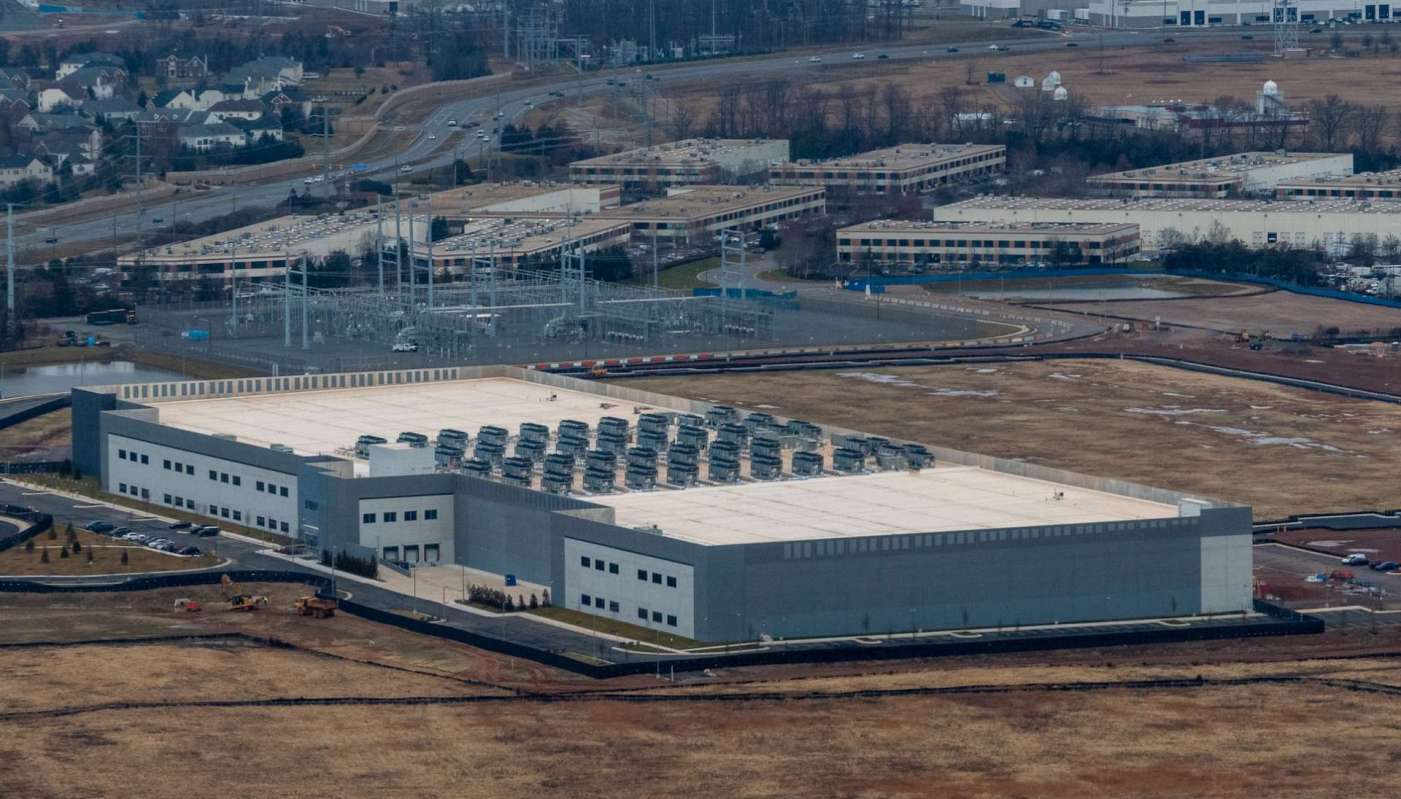
He also took aim at AI "FOMO," saying fear of missing out is being used to pressure Australia into quickly approving data centers and other projects.
In his view, the argument that "if we don't say yes to everything now, we will miss out" has become an unusually forceful sales pitch.
At the same time, Denniss separated national-security applications from wider commercial rollout. While the "defence and intelligence community will obviously see opportunities and threats from AI that I can't imagine," he said, that is "unrelated to the question of should data centres be built wherever we want to build them."
Because AI is closely linked to energy infrastructure, its expansion could have mixed effects. Advanced systems can help manage complex electricity networks and potentially increase the use of cleaner power, but Denniss warned lawmakers to examine whether spreading data centers will drive up electricity and water use, construction costs, and household bills.
He also said AI poses a political danger, warning that elections are likely to be shaped by fake depictions of real people "pretending to say things they've never said before," which he described as a national-security risk for democracy.
What can be done?
Rather than call for a ban, Denniss urged Parliament to ask basic questions before approving AI at scale, including how much job loss the model includes, who would pay to retrain displaced workers, and whether public budgets can cover the cost.
To make that concrete, he pointed to government agencies. "The only way the Department of Health can spend a billion dollars on AI is if it spends a billion dollars less on humans or if you guys increase their budget by a billion dollars," he said.
He added, "I don't know what the Department of Health's plan for AI is. Maybe there is one. What is the ATO's plan? What are the state government plans?"
He also argued that support for military or intelligence uses should not automatically translate into blanket backing for commercial infrastructure. In his view, a country can choose to invest heavily in AI for security purposes without deciding that "data centres be built wherever we want to build them."
Denniss rejected the idea that lawmakers and the public have no choice. "Do we have agency? Of course," he said, pushing back on the suggestion that every AI proposal must simply be accepted.
He summed up the stakes this way: "all that money that Anthropic is betting on is coming from somewhere and that's going to have very real consequences for individuals, for communities, for the economy, for the way Commonwealth budgets are drawn up."
Where can I learn more?
For more on that debate, these stories look at whether AI's gains will come with job losses and broader social costs. They include warnings from investors and Geoffrey Hinton, as well as public backlash over water and electricity use.
• At venture firm Coatue, investors warned of the robot revolution's impact on employment.
• Geoffrey Hinton warned AI could make a few people richer and most poorer.
• Across the tech sector, AI is coming for jobs, water and electricity at once.
• Hinton said major AI firms are really betting on unemployment as their payoff.

Get TCD's free newsletters for easy tips, smart advice, and a chance to earn $5,000 toward home upgrades. To see more stories like this one, change your Google preferences here.






