


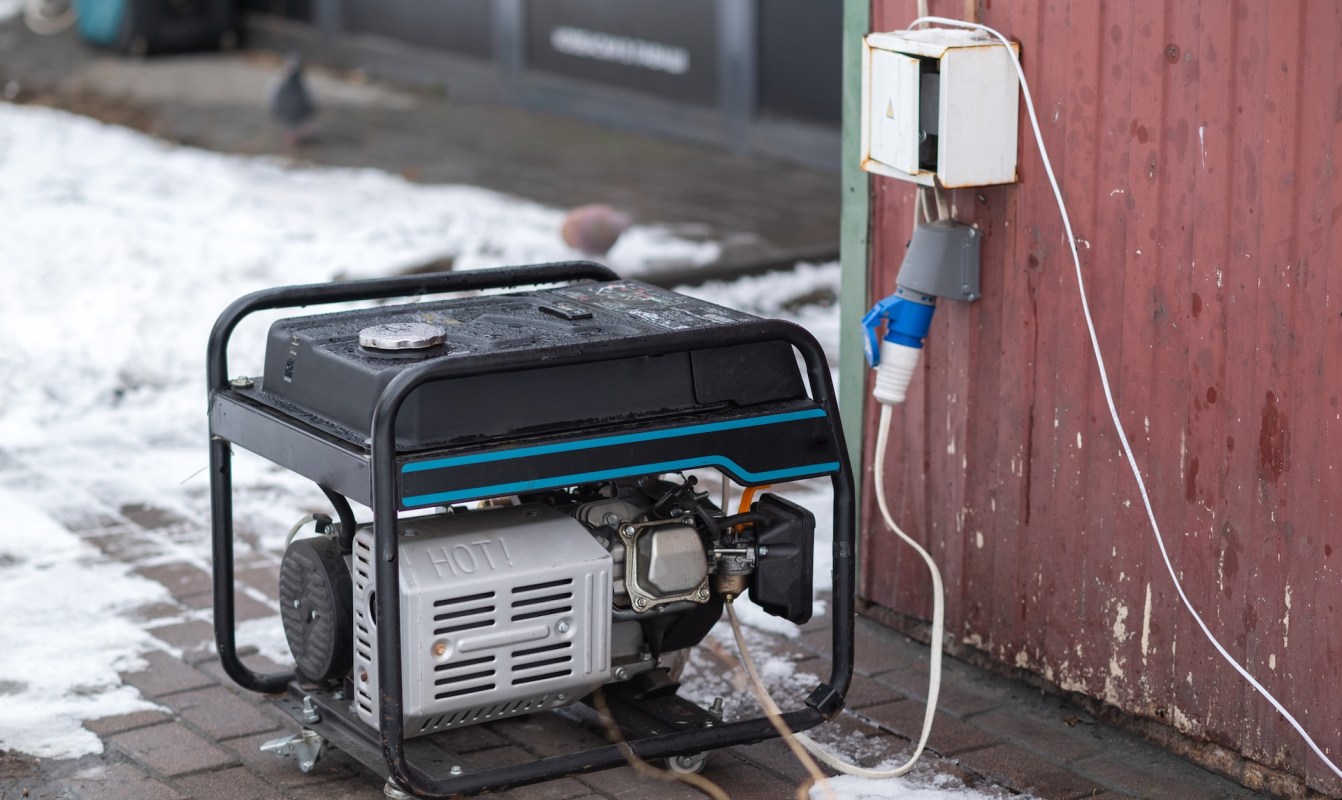
After buying a backup generator for outages, a U.K. homeowner turned to Reddit to ask whether feeding power into the house through a cat flap and several extension cords was a safe way to keep electricity flowing to multiple rooms.
Commenters agreed that the bigger issue wasn't the 3-kilowatt generator itself, but the planned method for getting its power into the home.
Here's what to know
In a Reddit post, the homeowner explained that they bought a Hyundai 3-kW petrol inverter generator to use during occasional power outages.
While they didn't think their emergency power needs were very large, the original poster would need power for essential devices in multiple rooms. As a result, they were considering an indoor setup built around an RCD, a multi-plug, and several extension leads.
The generator would sit about 33 feet from the house, with a 13-amp heavy-duty cable brought in through the cat flap to power a fridge, freezer, TV, and lights.
They said part of the uncertainty came from AI-generated advice that pointed them in different directions, including suggestions about grounding plugs. That left them asking whether their planned arrangement was safe or whether they had "got it all wrong."
TCD Picks » Quince Spotlight
💡These best-sellers from Quince deliver affordable, sustainable luxury for all




Rather than routing cords through the house, commenters suggested a different approach: installing a transfer switch near the fuse board. However, several commenters urged the OP to hire an electrician rather than trying to do the work themselves.
More background
The thread quickly expanded into a larger discussion of electrical safety, with the OP writing in the comments, "I openly admit I don't know what I am doing."
The warnings grew especially dire when one commenter raised the danger of a so-called "widow maker" cable, a lead with a male plug on both ends. Their advice was direct: "I wouldn't recommend it. Do the manual transfer switch. Please."
Commenters also weighed in on the generator's capacity. One U.K.-based reply called a 3-kVA unit "a bit light" and said it should be enough for basics such as "a gas or oil boiler, fridge TV and LED lights," but "not a kettle, at least not with anything else on."
What can be done?
Several commenters said new generator owners should plan to include the connection hardware with the purchase, not just the generator itself. The setup most often recommended in the thread combined a manual transfer switch with an exterior wall-mounted inlet.
For a generator the size of the OP's, one commenter said it "doesn't need anything more than a 16a plug" and suggested using "a 16a commando extension between your Genny and the external plug."
Throughout the thread, cost remained a major consideration. The homeowner said they wanted to avoid additional expense because the generator was only meant for emergencies, but another commenter pointed out that the extension-cord approach still required multiple leads plus "some sort of centralized power distribution box," all of which cost money, too.
Where can I learn more?
These articles cover generator safety, outage planning, and noise mitigation.
• Generator owners trying DIY fixes have faced debates over noise, airflow, and warranty risk.
• After Hurricane Beryl, families were warned that backup generators too close to the home can turn deadly.
• Energy experts said backup generators for homes can create avoidable safety and fuel concerns.
• Homeowners rethinking outage plans turned to these next-gen models instead of old petrol generators.
• Some EV owners have used emergency power backup when they wanted quieter, generator-free outage support.

Get TCD's free newsletters for easy tips, smart advice, and a chance to earn $5,000 toward home upgrades. To see more stories like this one, change your Google preferences here.






