


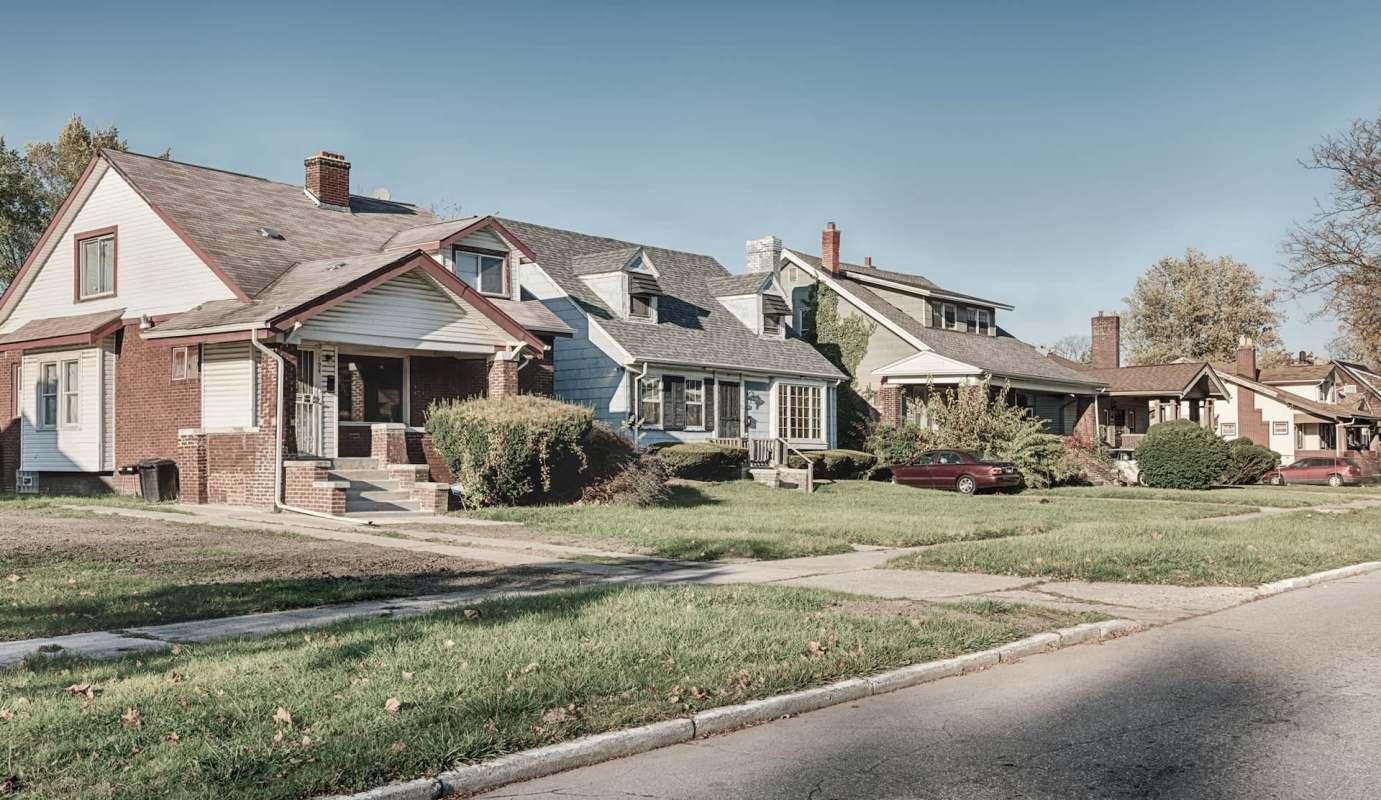
After a decade of sharp premium increases, home insurance now costs more than property taxes in most U.S. counties, marking a striking shift for homeowners already dealing with rising housing costs.
Here's what to know
Over 10 years, homeowner policies rose 45% after adjusting for inflation, while Nebraska saw one of the sharpest increases, 79%. Against that backdrop, a Bloomberg Intelligence analysis, as Claims Journal reported, found that in about two-thirds of U.S. counties, average home-insurance premiums now exceed average property-tax bills.
Bloomberg Intelligence also estimated how much of auto-insurance premiums is tied to extreme weather. When that weather-related auto expense is added to home coverage, the combined cost rises above property taxes in 75% of counties nationwide.
That development adds to the affordability squeeze facing households ahead of the 2026 midterm elections. Because insurance is not optional for most homeowners, especially those with mortgages, climate-linked disasters are pushing rates higher just as families have less room in their budgets.
More background
Bloomberg Intelligence said hail and winter storms are major drivers of higher rates in the Midwest and Mountain West, with Colorado, Utah, and Minnesota among the states facing the strongest pressure.
In Southeastern states, where property taxes tend to be lower, insurance premiums are roughly 2.5 to 4 times the tax levy. In the Northeast, the West, and many large metropolitan areas, tax bills are already high, so rising insurance still accounts for a smaller share of the total housing burden.
TCD Picks » Quince Spotlight
💡These best-sellers from Quince deliver affordable, sustainable luxury for all




Another pinch point is that as deductibles rise, families must cover more of their recovery costs before insurance pays out, leaving less disposable income for things such as dining out or attending sporting events — spending that can help support local businesses and tax revenue.
What can be done?
Alexandra Glickman, Arthur J. Gallagher & Co.'s global practice leader for real estate and hospitality, said insurance is becoming less affordable even as it remains essential during a period of larger or more frequent disasters.
The premium is only part of homeowners' risk. Rising deductibles can force families to shoulder more upfront costs after a hailstorm, winter storm, or other disaster, making out-of-pocket expenses as significant as the annual bill.
Glickman said policyholders should plan ahead and watch how their risk is changing. In places where weather hazards are intensifying, she said homeowners may need to be "willing to pay the premium for it," while also taking precautions that improve their chances of recovering and staying in their homes.
Glickman said, "You can't necessarily stop Mother Nature," but "you can make it home" with the right precautions.

Get TCD's free newsletters for easy tips, smart advice, and a chance to earn $5,000 toward home upgrades. To see more stories like this one, change your Google preferences here.






