


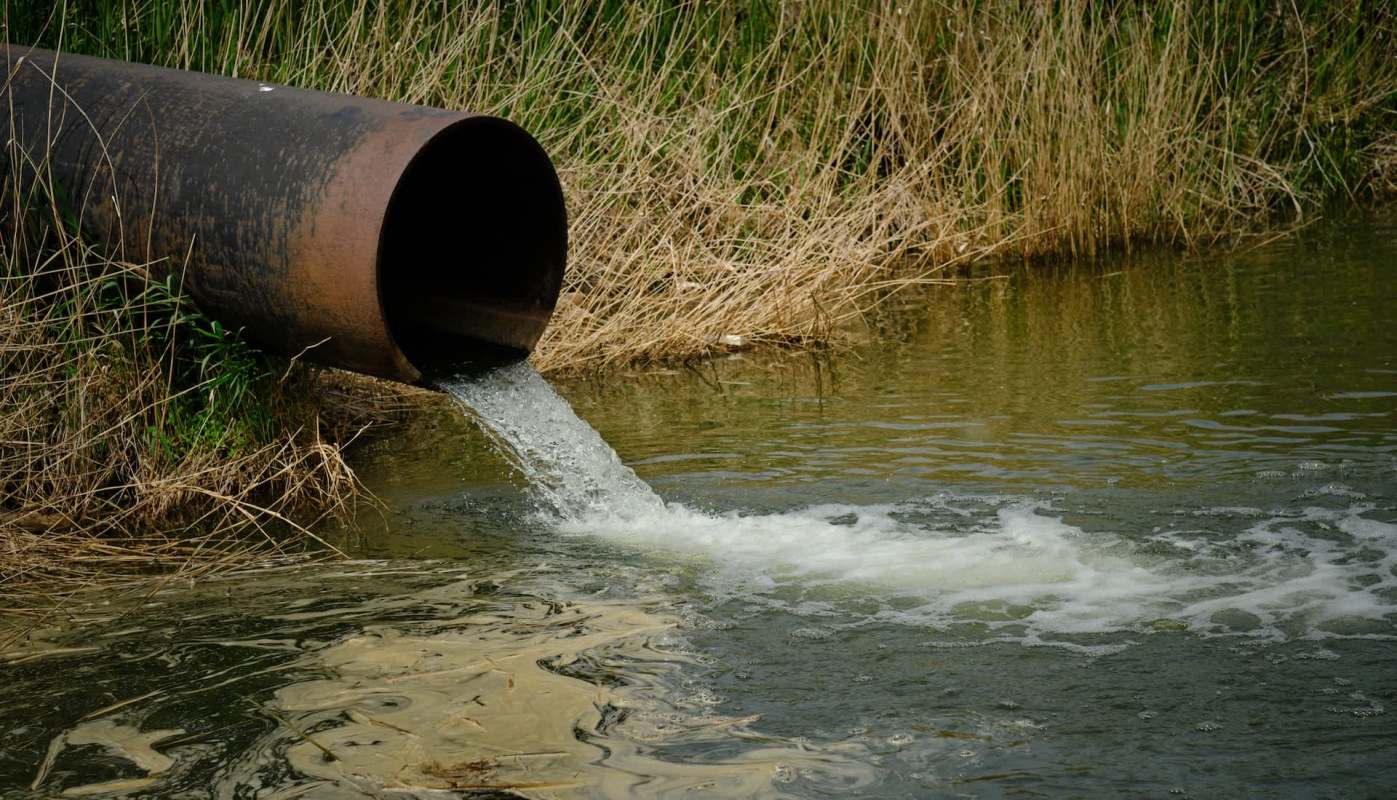
A Welsh water utility has been ordered to fund £280,000 (~$375,081 USD) worth of sewage-related fixes after regulators found "unacceptable" failures that led to excessive spills.
The catch for customers is that Hafren Dyfrdwy cannot recover that cost through higher bills, even as average charges are set to rise.
Here's what to know
The Evening Standard reported that Severn Trent-owned Hafren Dyfrdwy has agreed to pay the fine by 2030 after Ofwat said it did not properly manage wastewater and sewage. The utility serves roughly 109,000 people in north-east and mid-Wales.
Ofwat said the shortcomings included inadequate drainage, failures in dealing with sewer contents, and a lack of the processes and systems needed to meet requirements.
"Our investigation found unacceptable breaches by Hafren Dyfrdwy, which have resulted in excessive spills from storm overflows," Lynn Parker, senior director for enforcement at Ofwat, told the paper.
Steph Cawley, Hafren Dyfrdwy's managing director, responded to the sanction.
TCD Picks » Quince Spotlight
💡These best-sellers from Quince deliver affordable, sustainable luxury for all




"We accept Ofwat's findings and apologise to our customers for these issues that we're making good progress with resolving," she said in a statement to the Standard.
More background
According to the Standard, this is the ninth case in Ofwat's broader sewage investigation into the water sector, a push that has already brought in more than £300 million (~$402 million) in enforcement packages and fines.
The decision arrives as Hafren Dyfrdwy has also been permitted to raise average charges for 2026-27 by £54 (~$72) to £635 (~$850), a 9% increase.
"We understand that the public wants to see transformative change," Parker explained to the Standard. "That is why we are prioritising this sector-wide investigation, which is holding companies, like Hafren Dyfrdwy, to account."
What's being done?
Rather than a financial penalty alone, the £280,000 package requires Hafren Dyfrdwy to install two storm water balancing tanks to reduce spills, the publication said.
It must also work with a local preservation trust to create a wetland habitat, connecting the response to environmental restoration as well as wastewater management.
"We are clear this is unacceptable and now expect the company to focus on putting things right so that customers can regain trust in their water company and the critical service they provide," Parker declared to the Standard.
The business cannot fund the spending through higher bills, leaving it, rather than households, to cover the cost.
"Last year, we reduced average spills to 21.6, from 36.2 the previous year, but we know there's more to do," Cawley concluded to the paper.

Get TCD's free newsletters for easy tips, smart advice, and a chance to earn $5,000 toward home upgrades. To see more stories like this one, change your Google preferences here.






