


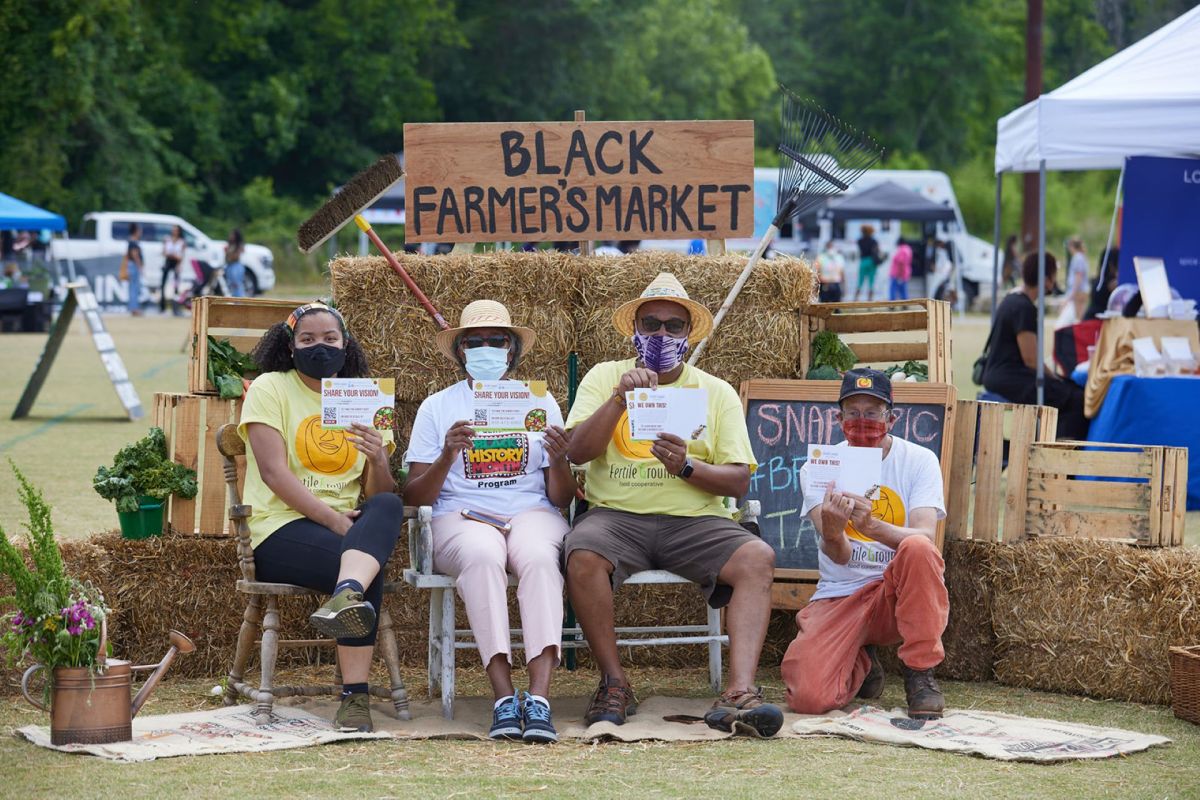
Fertile Ground Food Cooperative, a Black-led, community-owned grocery project, is nearing construction after more than a decade of organizing in southeast Raleigh, North Carolina.
Here's what to know
According to WUNC, the initiative began in 2012 as a cooperative cafe idea and later expanded into plans for a full grocery store. The site beside the JD Lewis Multipurpose Center on Garner Road is also expected to provide shared community space.
An Instagram post by Localize founder Zephyr Zoidis (@zephzoid) highlighting the effort noted that both Kroger stores in Southeast Raleigh closed in 2013, leaving the area without a full grocery store.
As grocery options dwindled, the project became more urgent. Meisha Gayle, a Fertile Ground board member who moved from Jamaica to southeast Raleigh, said routine shopping often meant traveling farther or paying more for lower-quality food.
Ben Jones, Fertile Ground's communications manager, said the point is to let southeast Raleigh residents shape their own food access instead of depending on outside companies that have not seen value in the neighborhood. More than 1,000 members hold ownership stakes in the co-op and vote on major store decisions.
More background
WUNC reported that more than 145,000 Wake County residents face hunger, according to the Food Bank of Central and Eastern North Carolina. About one-third are Black, and local organizers say that disparity helps explain why the co-op is seen as both a food-access project and an economic one.
TCD Picks » Quince Spotlight
💡These best-sellers from Quince deliver affordable, sustainable luxury for all




Gayle said the area's limited grocery options often meant paying more for less. She described produce that spoiled quickly or showed visible damage, leaving families to spend limited money on food that did not last.
Erin Martin, who manages Footprints in the Garden in Mount Olive, said her family's farm has lasted for eight generations. She said the work includes getting produce into Black communities that might otherwise go without it, and that mission feels especially urgent as some low-income households lose access to SNAP and localized food programs come under strain.
What's being done?
Beyond the store, Fertile Ground wants the site to include a community garden and spaces for neighbors to gather. The co-op also plans to carry fresh food from Black farmers and other regional suppliers, and it partners with the Black Farmers Market.
Fertile Ground has raised more than $5 million toward an $11 million goal. Jones said the extended timeline is intentional because taking on less debt could help the store stay open and become profitable for members sooner. The organization has scheduled a groundbreaking ceremony for Oct. 24 at the JD Lewis Recreational Center.
Residents have helped move the project forward by joining as member-owners, and Jones said he hopes that number will double. For readers inspired by grassroots efforts like Fertile Ground's fundraising push, there are also practical ways of donating money to climate causes that support stronger, more resilient communities.
Gayle said the project also aims to keep more local wealth in local hands.
"I think a lot of people are surprised, considering how much wealth seems to flow through Wake (County) and the Triangle area as a whole, but so few of the dollars actually stay in the community," she said, according to WUNC. "We're just trying to change that and build a little bit more economic resilience for everyone."
Where can I learn more?
These stories show a few examples of how other communities are expanding local food access and resilience.
• In Seattle, neighbors turned 7 acres of lawn into a free food forest for everyone.
• In Denver, Beverly Grant built a community market for neighbors through Mo' Betta Green.
• Using a shipping container, Village Hydroponics preserves culture through fresh food grown close to home.

Get TCD's free newsletters for easy tips, smart advice, and a chance to earn $5,000 toward home upgrades. To see more stories like this one, change your Google preferences here.







