


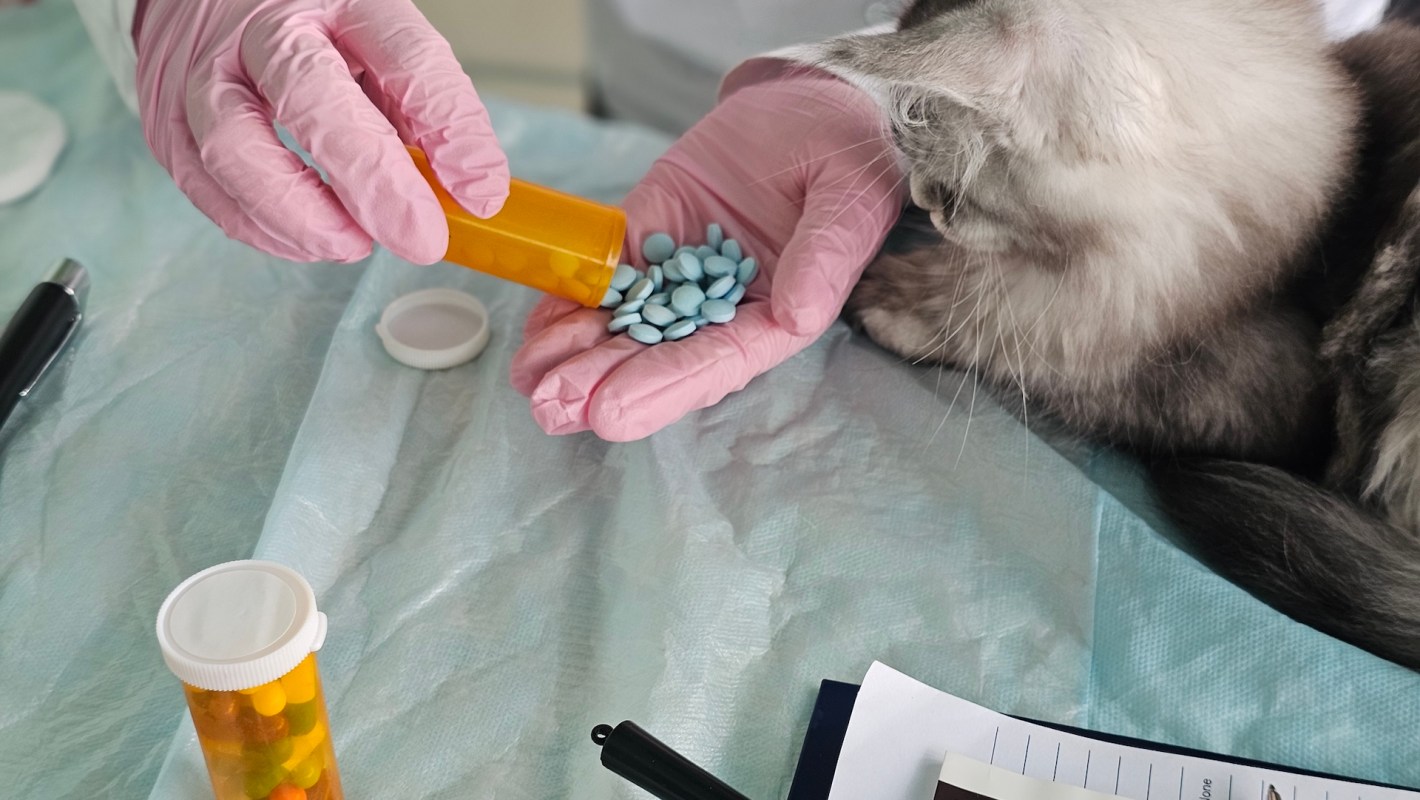
Ciprofloxacin — an antibiotic used to treat dogs and cats with infections — is being pulled from the veterinary market in the United Arab Emirates as health officials work to slow antimicrobial resistance.
Here's what to know
According to The National, the UAE's Emirates Drug Establishment banned animal-use medicines and input materials that contain ciprofloxacin to "preserve the effectiveness of treatments used in human medicine."
Nine products are affected altogether — eight imported items and one product registered locally — and the establishments involved have been told to halt manufacturing, imports, and supply while pulling existing stock from the local market before the ban begins.
The EDE said improper use in animals could help drive bacterial resistance, weakening how well medicines work and "posing a public health challenge," per The National.
When antibiotics lose their effectiveness, communities can face infections that are harder to treat, more expensive to manage, and more likely to spread.
More background
Antimicrobial resistance occurs when bacteria, viruses, fungi, and parasites no longer respond to medicines, making infections far harder — and in some cases impossible — to treat.
TCD Picks » Quince Spotlight
💡These best-sellers from Quince deliver affordable, sustainable luxury for all




The World Health Organization said antimicrobial resistance was associated with more than 4.7 million deaths globally in 2021. The WHO has also said that misuse and overuse of antimicrobial drugs are speeding up the spread of drug-resistant pathogens, with one in six laboratory-confirmed bacterial infections being resistant to antibiotics as of 2023.
The UAE's decision may be difficult for vets and families caring for sick pets, but the aim is to prevent a much larger problem across health systems.
What's being done?
The EDE said the ban came after a scientific review of antimicrobial resistance evidence, including research submitted by United Arab Emirates University, The National reported.
Any products left over must either be sent out of the country again or disposed of through approved procedures. Establishments will also have to provide documentation showing those steps were completed.
The EDE said it is preparing a plan to check compliance within the specified time frame.
Dr. Ruqaya Aqeel Al Bastaki, who serves as acting executive director of the EDE's Medical Products Regulation Sector, said the agency weighs the risks tied to specific products against treatment priorities when making decisions like this, per The National.
Al Bastaki said the regulator would act on antimicrobial-resistance concerns to "safeguard public health."

Get TCD's free newsletters for easy tips, smart advice, and a chance to earn $5,000 toward home upgrades. To see more stories like this one, change your Google preferences here.






