


Renewal paperwork from an insurance company sparked an angry online discussion after a member said the company sharply cut back its earthquake coverage. The poster said the policy offered "almost no loss of use and coverage for contents and other structures."
For homeowners counting on premium coverage, those gaps can feel nearly as damaging as the disaster risk itself.
Here's what to know
In a Reddit thread, a member said the renewal arrived from their provider with major reductions, especially on "anything other than Dwellings."
"[It] is a membership organization and talks a good game, 'we are family,'" the original poster said.
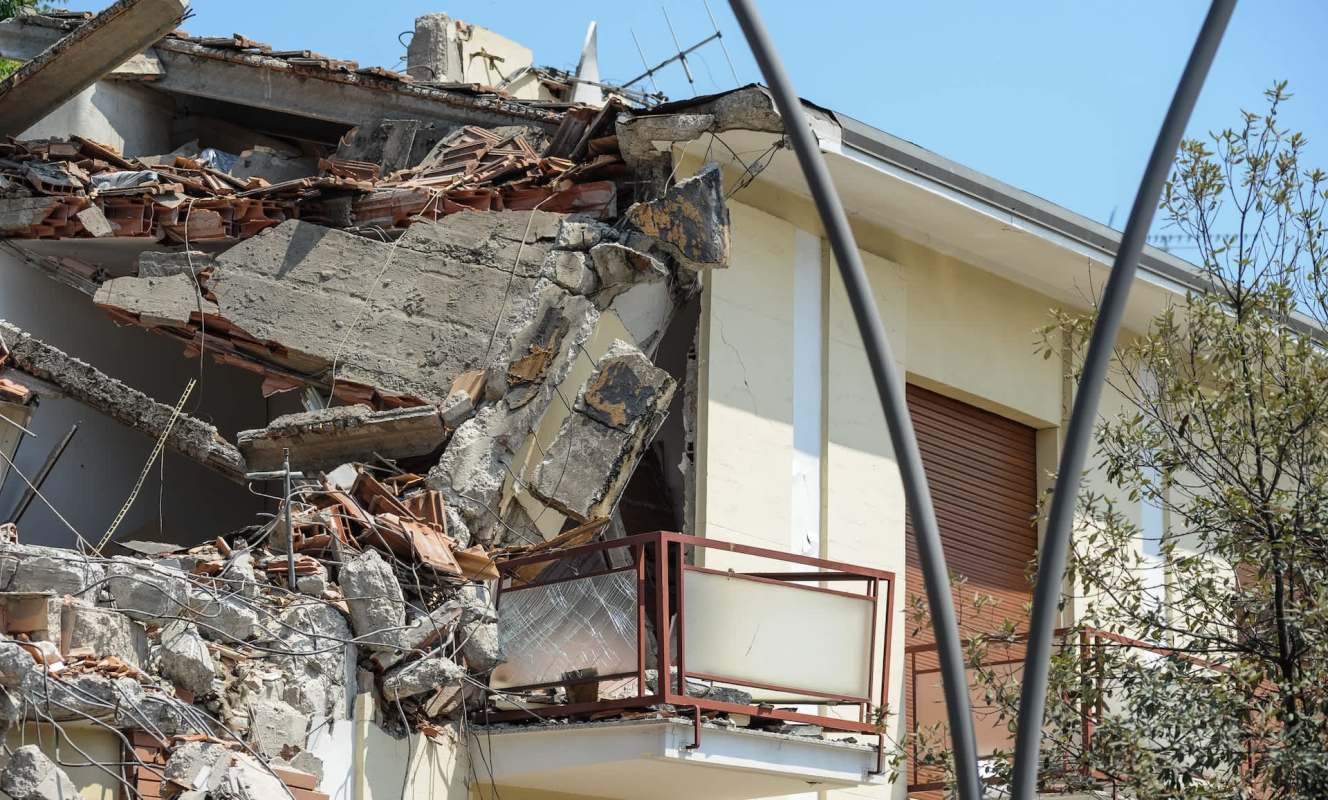
What alarmed the poster most was the idea that, after a quake, the policy might do far less for belongings, detached structures, and temporary living costs than expected.
That complaint quickly widened into a comparison with big mainstream insurers. The original poster wondered, "When they make changes like this at renewal, with no prior notice, how are they any different from the commercial carriers like Allstate, State Farm, etc.?"
TCD Picks » Quince Spotlight
💡These best-sellers from Quince deliver affordable, sustainable luxury for all




Others framed the issue less as a branding failure and more as a hard-to-price risk, with one commenter writing, "Earthquake insurance is very difficult to model."
More background
The exchange highlighted a core problem for policyholders. Polished service messaging matters less if renewal terms materially narrow protection. Here, the central worry was that insurers could pare back contents, other structures, and loss-of-use benefits even if dwelling coverage remained.
One commenter argued the dispute should be viewed through policy language, not marketing.
"An insurance policy is a contract that is governed by the NAIC and state regulatory agencies," they explained. "It's not just a cover all policy where anything and everything is covered or has its coverage limits."
What can be done?
In the comments, the most concrete suggestions centered on reviewing renewal documents early and being willing to shop around.
Before renewal takes effect, one step raised in the thread was looking over the declarations page. One commenter noted that home declarations pages "typically go out 30 to 60 days in advance," which may be the only window to catch cuts to earthquake-related protections.
"Somebody calculated the numbers; the higher ups determined the math doesn't math; that if an [insert reason] happened they'll be out of business," another asserted.
Several commenters treated renewal as a time to compare alternatives rather than simply extend the current policy. The original poster seemed open to that idea, albeit reluctantly.

Get TCD's free newsletters for easy tips, smart advice, and a chance to earn $5,000 toward home upgrades. To see more stories like this one, change your Google preferences here.






