


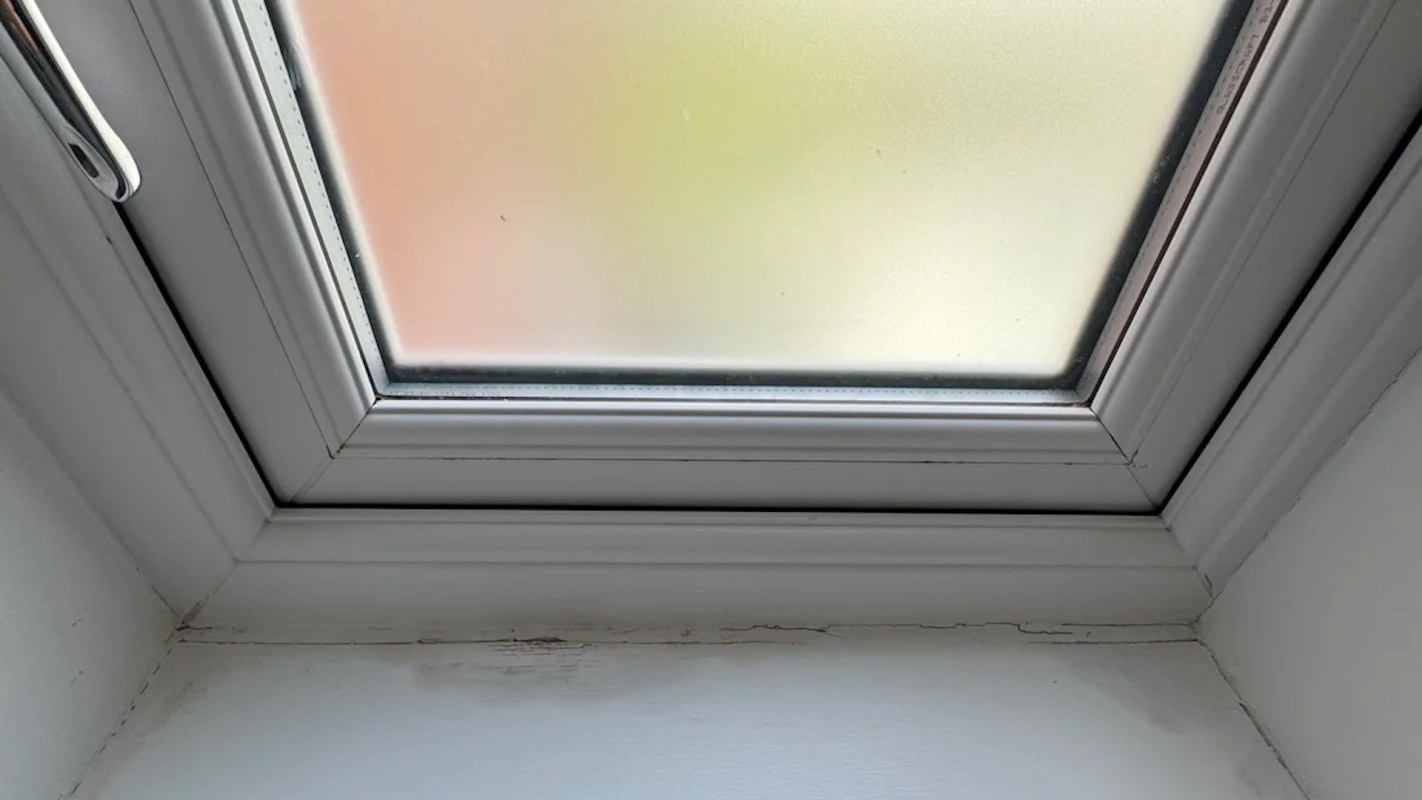
A U.K. homeowner's first rainstorm in a new house quickly turned into a leak investigation after water began dripping onto the inside ledge of a uPVC window.
"First week in our new house and 15 urgent DIY jobs already," the original poster wrote on Reddit.
Here's what to know
The homeowner posted photos showing a stained interior window ledge that "feels rotten" when it rains. In the Reddit thread, they asked whether a small gap near the sill shown in the images might be where the water is entering.
A commenter instead pointed to a spot higher up on the window, at the junction between the trim and the frame.
"There should be a upcv filler in there, looks like nothing," they wrote after reviewing the images. "If so that probs the issue there."
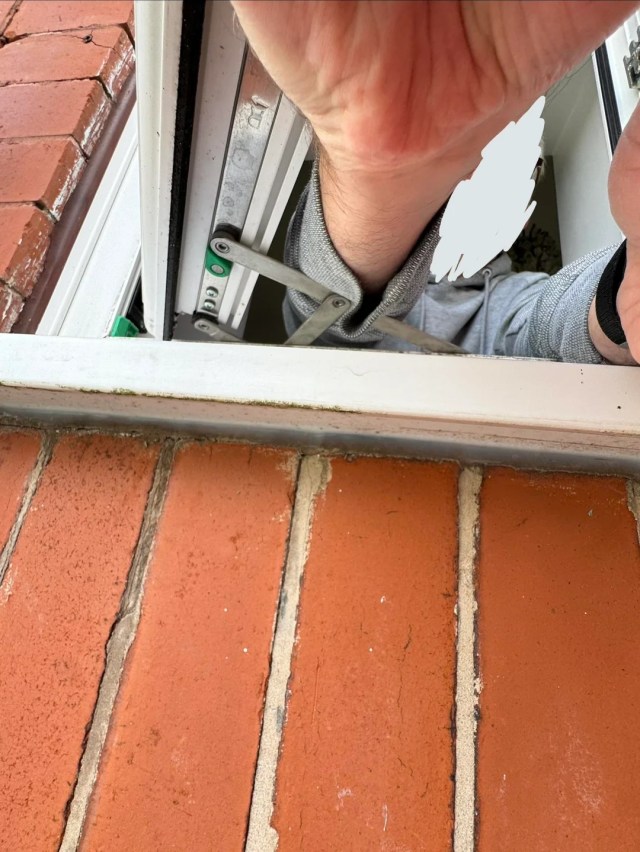
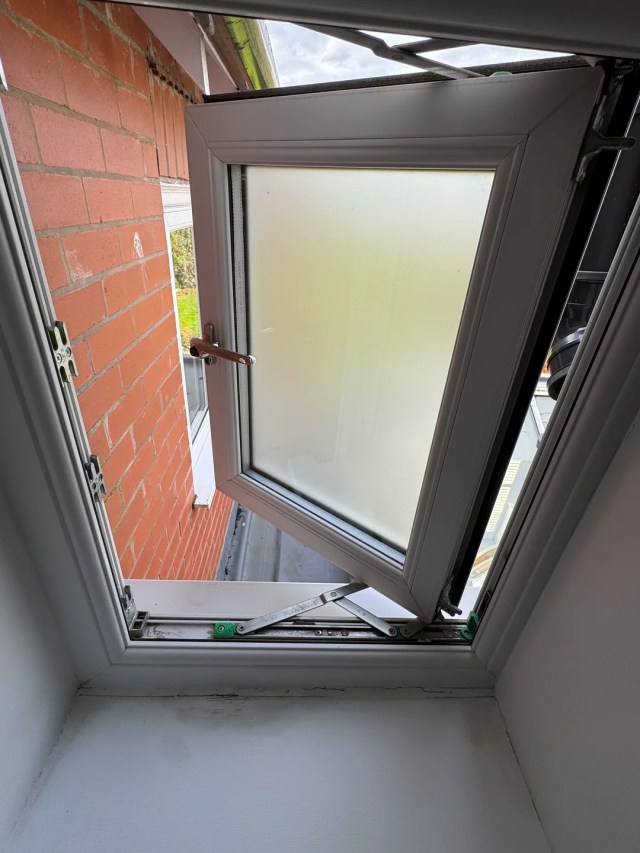
They also said the lower gap marked by the red arrow was probably part of the window's drainage system, not the source of the leak. In their description, water that gets into the frame should move through internal chambers and exit there.
TCD Picks » Quince Spotlight
💡These best-sellers from Quince deliver affordable, sustainable luxury for all




The homeowner said, "There was a little bit of residual water inside despite a dry day today, so I think you may be right that's where the water is getting in," which lent more weight to the missing-seal explanation than to simple rain splash from outside.
More background
The issue may not be confined to a single window. The homeowner said all of the rear windows were installed at the same time, replying "so that's a worry" after reading the commenter's assessment.
The commenter was blunt about the quality of the work. They called the window "a complete bodge job" and said, "the trim at the front all round is terrible." They also said it looked like "a builder slapped it in rather than a window guy," suggesting the problem may be tied to installation rather than normal wear.
Another possible source of excess water was outside. The homeowner said "there's something wrong with the guttering," which could be increasing splashback against the wall and frame during rain.
The commenter said water could already be "rotting the wood/internal cill," meaning that fixing the sealing sooner could help head off a larger repair if moisture continues moving inside the cavity.
What can be done?
The suggested next step was to seal the gap between the trim and the frame, not the drainage opening at the bottom. The homeowner said they now thought "that's where the water is getting in" and planned to "try sealing that with some white UPVC filler."
"Yeah that should be sealed," the commenter wrote, adding that the lower opening is part of the drainage path because "the whole frame is designed so if water gets in it, runs thru the chambers and out that gap at the bottom (with the red arrow) that's a raised section of the cill so water can't get up and in that way."
If matching installation issues appear on the other rear windows, the commenter said it would make more sense to bring in a professional than to chase each leak individually. Their recommendation was to "get a local window fitter out and ask for a quote to sort the sealing/trims properly."

Get TCD's free newsletters for easy tips, smart advice, and a chance to earn $5,000 toward home upgrades. To see more stories like this one, change your Google preferences here.






