


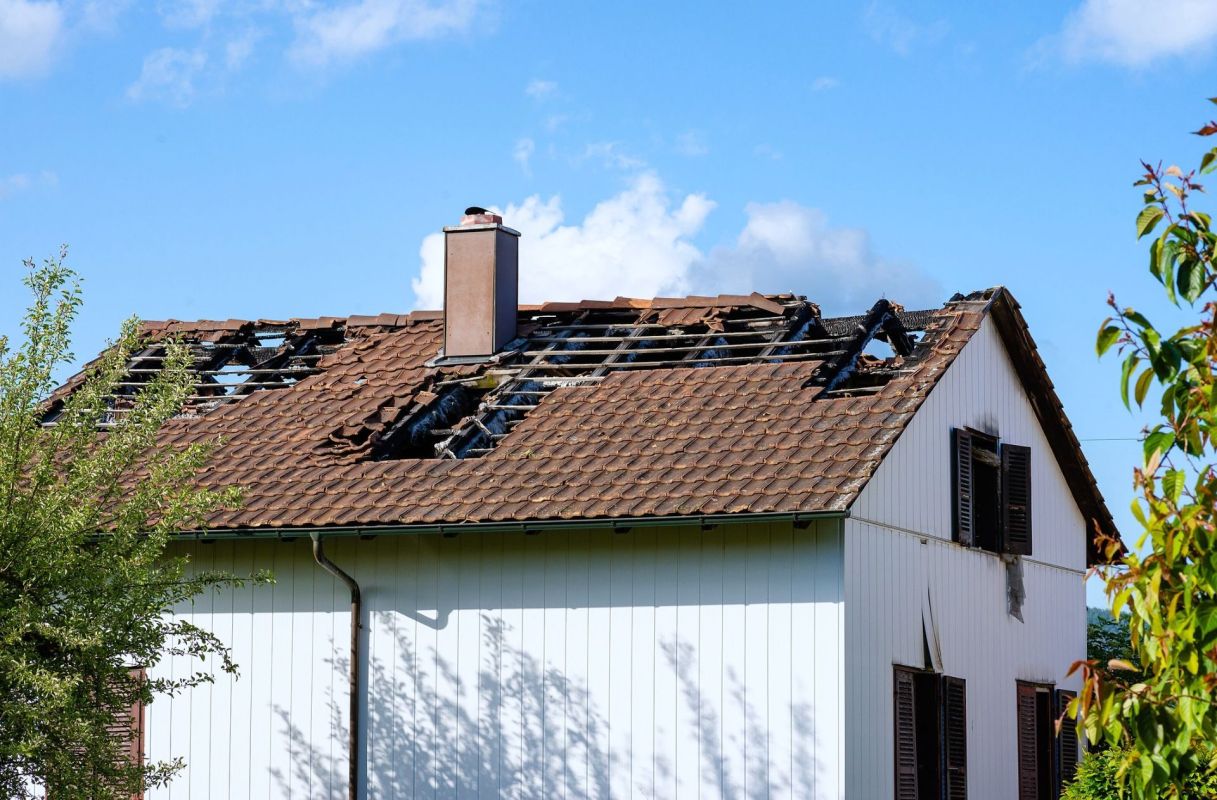
A roofing job that began with a large advance payment left a 76-year-old homeowner without a habitable house and living in motels while trying to rebuild.
The contractor took 25,000 Canadian dollars ($17,655) up front, removed the roof, and then disappeared, according to CBC News.
Here's what to know
Lawrence Huang, who lives in Scarborough, Ontario, was approached in May by representatives of a roofing company and paid half of a CA$50,000 contract at signing.
During the pitch, Huang was told the roof needed to be replaced.
The crew then removed all the roofing from Huang's two-story house, exposing the interior. His niece, Katie Semple, said he paid another CA$1,800 before writing the contractor a CA$64,000 check, CBC News reported.
His bank, however, had reservations, declining to honor it and alerting police, the city, and Semple. "The workers abruptly abandoned the site, leaving his home with no roof and a massive pile of scrap lumber in the driveway," the outlet stated.
TCD Picks » Quince Spotlight
💡These best-sellers from Quince deliver affordable, sustainable luxury for all




CBC News noted the company's phone number was disconnected, and an email was undeliverable.
More background
Huang's insurance company added another layer to the damage.
"We do not insure the cost of correcting faulty design, material or workmanship," an adjuster told Huang in a Sept. 9 letter, per CBC News.
The letter also claimed the policy excluded losses connected to animals, vandalism, or rain.
Semple maintained that the loss stemmed from fraud and hired an independent adjuster. The insurer then said Sept. 28 that it would cover damage to the home's contents but not a rebuild of the home.
Huang had lived in the basement until city engineers and Toronto Fire Service said he could no longer stay there, according to CBC News. Semple said trespassers, rain, and animals destroyed valuable books and family mementos.
Toronto Police Service Det. David Coffey said roofing scams have persisted for decades and that all cons have cost residents CA$50 million this year.
Police estimate that only 5% to 10% of victims come forward.
What can be done?
University of Toronto professor Luis Seco, who studies the insurance industry, told CBC News that homeowners who believe a denial violates their policy can challenge it, though going to court can be costly.
Before taking that step, Seco suggested starting with the General Insurance Ombudservice, a nonprofit mediator that counts most Canadian insurers as members.
Coffey said warning signs often appear early.
He noted that scams may begin with an unexpected knock at the door, a warning about an urgent problem, and escalating payment demands designed to trigger panic.
He advised homeowners to slow down and avoid hiring contractors who arrive uninvited.
"Urgency these days doesn't mean hurry up," Coffey said. "Urgency these days has to mean stop and verify and talk to your family, talk to other people. Those are the keys."

Get TCD's free newsletters for easy tips, smart advice, and a chance to earn $5,000 toward home upgrades. To see more stories like this one, change your Google preferences here.






