


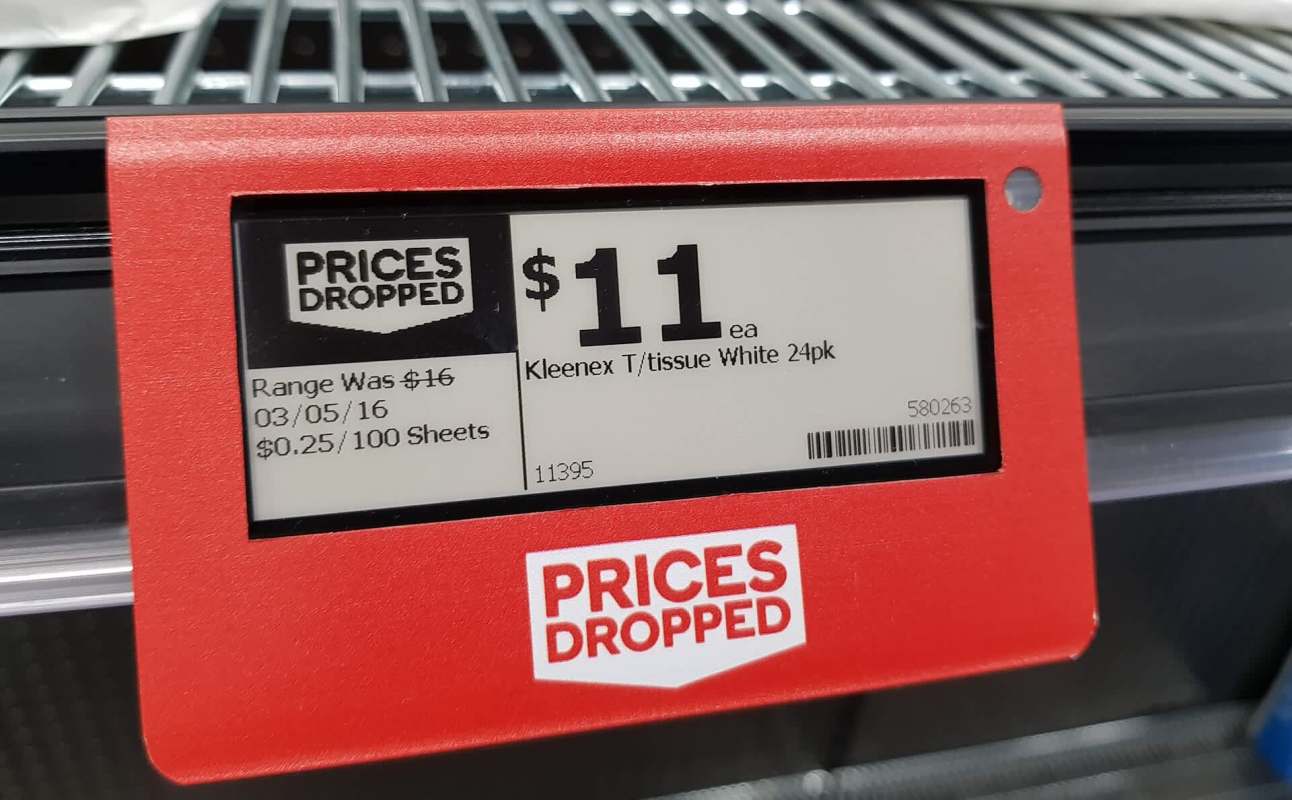
As more U.S. stores adopt digital shelf tags and AI-supported pricing software, shoppers increasingly worry that buying everyday items could start to feel like paying for a flight or a rideshare.
At the center of that worry is the possibility that two shoppers could be shown different prices for the same product because of data collection they never knew was happening.
Here's what to know
State lawmakers and regulators are taking a closer look at retail pricing technology as digital tags, pricing programs, and customer data tools spread, Click2Houston reported. The National Conference of State Legislatures said lawmakers in at least 30 states have considered pricing bills in 2026, including proposals focused on algorithmic and personalized pricing.
The sharper concern is personalized pricing — sometimes called surveillance pricing — in which a retailer uses details such as a shopper's location, income, or browsing history to decide what price that person sees. That differs from dynamic pricing, which simply adjusts prices with supply and demand, as with airline tickets or Uber surge pricing.
Because digital shelf labels let stores change prices far more easily, they have become a major flashpoint in the debate. Walmart CEO John Furner said the technology is meant to keep pricing current while reducing employee workload, writing, "We price the product, not the person," per Click2Houston.
At the federal level, the Federal Trade Commission has proposed an enforcement policy that could treat undisclosed use of personal data for individualized pricing as a violation of consumer protection law.
TCD Picks » Quince Spotlight
💡These best-sellers from Quince deliver affordable, sustainable luxury for all




More background
A changing price, by itself, does not necessarily mean a company is relying on personal data.
Decodo, a web data company, tracked U.S. price changes in 2025 across categories including electronics, clothing, and home improvement supplies, and about half of those changes were decreases, according to senior product marketing manager Gabriele Vitke, Click2Houston reported.
Still, some examples have deepened public suspicion. According to The Associated Press, California prosecutors sued Target in 2022, alleging the retailer's app showed lower prices before shoppers entered stores and then raised them once they were inside. Target agreed to a $5 million settlement and accepted a ban on using geofencing technology to increase prices.
Other research suggests fear of constant surge pricing may not always match what happens in stores. Researchers studying one unnamed grocery chain found "virtually no surge pricing" after electronic shelf labels were introduced. Asa Farquhar of Relex Solutions said, "Changing prices throughout the day, the way airlines or rideshare apps do, is exceedingly rare in grocery and general merchandise today," per Click2Houston.
The AI component adds another layer to the debate. Simon-Kucher surveyed more than 2,200 business leaders across 28 countries and 39 industries and found that 41% used AI software to gather market intelligence and 28% used it for real-time price optimization, per Click2Houston.
What's being done?
States are beginning to limit how retailers can use shopper data to set prices. Maryland, New Jersey, and Connecticut have enacted restrictions on using personal information in pricing decisions, with the Maryland and New Jersey laws focused on groceries and Connecticut applying more broadly to retail purchases.
Another pressure point is the FTC's proposed enforcement policy, which would push companies toward clearer disclosure. The agency's January 2025 staff report said intermediaries marketing price-and-promotion tailoring tools had at least 250 clients, including grocery and clothing retailers.
Some companies have also backed away from disputed practices. After an investigation by Consumer Reports, Groundwork Collaborative, and More Perfect Union found that Instacart shoppers saw different prices for the same products at the same stores, Instacart ended what it described as tests that placed shoppers into random groups rather than pricing based on personal information, per the AP.
For their part, retailers are trying to reassure shoppers that automation should not be read as automatic surge pricing. Furner's blog post and Relex's comments both describe digital labels as an efficiency tool rather than a way to keep ratcheting prices upward.

Get TCD's free newsletters for easy tips, smart advice, and a chance to earn $5,000 toward home upgrades. To see more stories like this one, change your Google preferences here.







