


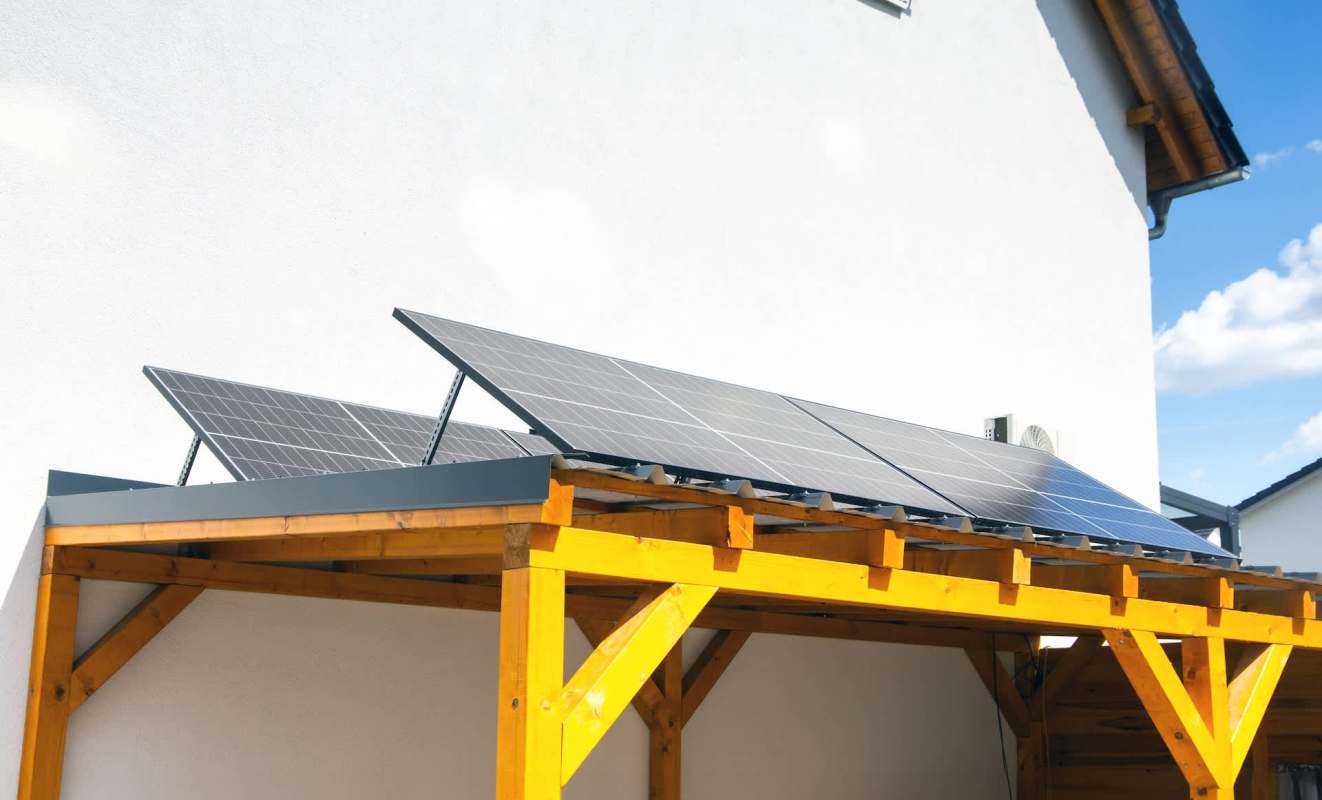
Near Joshua Tree in Southern California, recurring blackouts are pushing a homeowner with an existing solar setup to consider battery storage as it becomes clear that panels alone do not solve outage problems.
The household has relied on a solar carport for years in the Mojave Desert and, after repeated outages, is looking into a DIY backup setup that can grow over time.
Here's what to know
On Reddit, the homeowner described a phased plan of installing batteries themselves "to keep the costs down, use them for backup first, and later moving toward getting off utility Southern California Edison. They added that a planned garage might skip the grid entirely.
Because the home already has solar, the desert outages highlight a limit commenters quickly emphasized.
"Without batteries an array does nothing in an outage," a Reddit user explained. "I recommend looking up will prowse on the tubes & study up on ohm's law."
To that end, the original poster said the goal is "looking for just backup at the moment," while choosing equipment that is "good with adding panels later" instead of jumping straight into a full off-grid system.
Going solar is one of the best ways to save money on home energy, especially in a region with abundant sunshine like the high desert near Joshua Tree. Readers who want to compare costs can use EasyHome's free explorer tool to see pricing and savings from vetted installers in their area.
More background
This is not a homeowner starting from scratch or chasing an idealized off-grid lifestyle. It is a household that has already lived with solar for years and is now trying to solve a specific reliability problem tied to recurring outages.
Crushed by your bills? See instant solar savings from vetted installers in just a few clicks With energy prices through the roof, there's never been a better time to go solar — and EasyHome can help you find the best prices from the best installers in your area. EasyHome takes the guesswork and headaches out of energy upgrades by showing you estimated savings from a network of vetted local partners. To get started, just enter your ZIP and share a few details about your home — seeing your estimate is really that easy. |

Buying a battery to keep essential appliances running during outages is a very different calculation from building a fully independent property. In this case, the circumstances are especially concrete with a desert home, an existing solar carport, and a future garage project that may use panels and batteries.
What can be done?
Discussion in the thread centered on backup storage as the starting point, not a ground-up redesign. That approach fits the homeowner's aim of adding batteries first, keeping the install straightforward, and leaving room for more panels later.
"One consideration is the heat," a Redditor advised. "You'll want them in an air conditioned space for longevity and safety. Perhaps insulate the garage really well and include a minisplit."
EasyHome's free explorer tool can also help readers explore backup battery storage options alongside solar pricing. Through EasyHome, homeowners can compare vetted installer offerings and see how pairing solar with a battery lets them maximize savings and keep the lights on when the grid goes down.
That kind of side-by-side planning matters for homes near Joshua Tree, where frequent outages can drive solar decisions. Other commenters recommended inverters and batteries that wouldn't break the bank if the OP wanted to do it as a DIY project.

Get TCD's free newsletters for easy tips, smart advice, and a chance to earn $5,000 toward home upgrades. To see more stories like this one, change your Google preferences here.






