


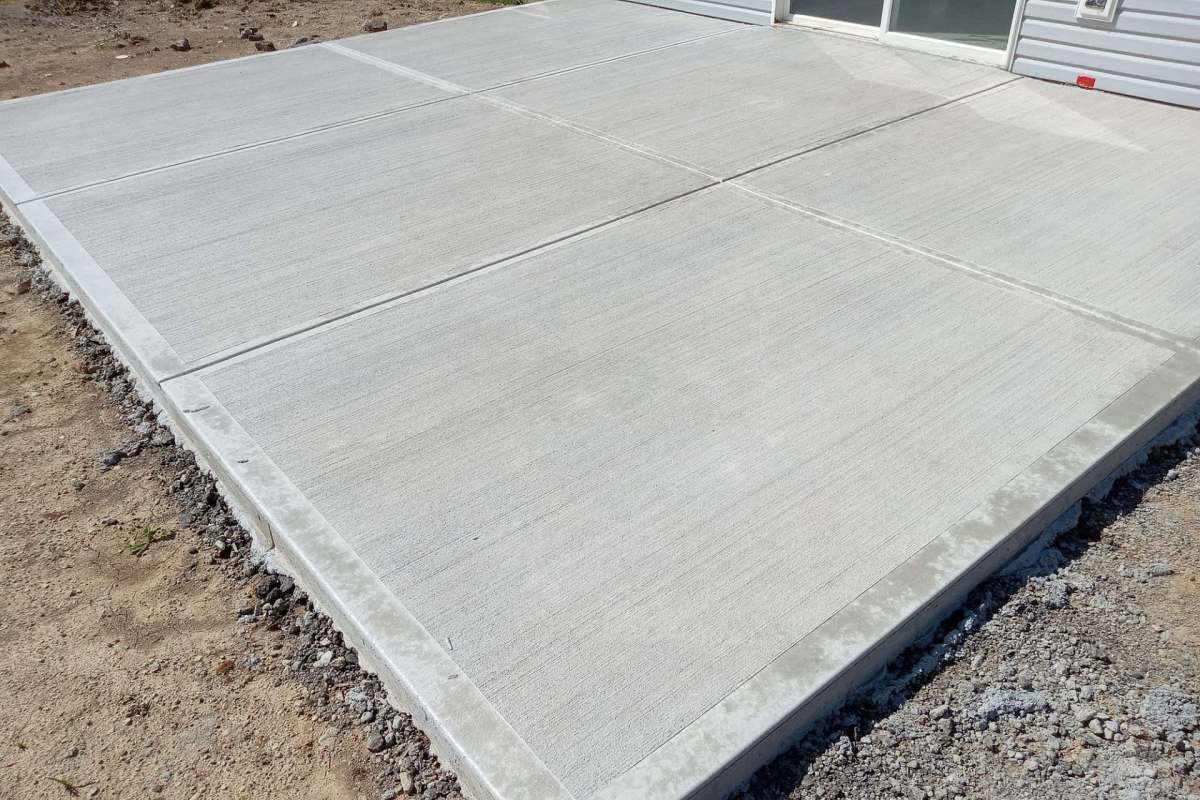
A homeowner in the middle of a front-yard makeover worried that seven newly poured concrete walkway pads had gone too long without watering after learning that fresh concrete is often kept moist while it cures.
The pads had been sitting in 80-degree weather with no shade when the poster asked, "Today is the third day after they were poured and I'm trying to water them 5-10 times per day. Am I wrong to wet them?"
Here's what to know
According to the Reddit post, the contractor installed seven concrete pads leading to the front door, but wet curing never came up. The homeowner only began watering after doing their own research, by which point the concrete had already been left alone for the first day or two.
Most replies suggested the situation was probably not a disaster for a basic front-yard path. As one commenter wrote, "It's not always necessary. They may have sprayed curing chemicals on them," suggesting they may have already used a curing compound.
One of the more detailed responses came from a self-described "Concrete guy in Phoenix," who said the most important period had already passed: "You're not wrong, but the first couple of days matter most, so it's less of a big deal at day 3 than it feels." For this kind of project, he added, "strength isn't really the worry."
Another commenter made a similar point more directly, writing, "The first 24 hours is the most important time to wet the concrete so this far out watering now isn't going to effect it's outcome."
TCD Picks » Quince Spotlight
💡These best-sellers from Quince deliver affordable, sustainable luxury for all




More background
The homeowner also said the contractor "does come daily to look at them and other work," even though watering had still not been mentioned.
A repeated point in the thread was that thin stepping pads don't face the same demands as heavier concrete installations. One commenter joked that strength is not especially important for a path like this "unless you regularly invite elephants over for dinner."
That shifted some attention away from major failure and toward long-term surface condition. The Phoenix commenter said proper curing mainly keeps "the top surface hard so it doesn't dust or flake down the road," which matters for concrete that is visible as well as useful.
What can be done?
For next steps, the most practical advice was to maintain moisture more evenly rather than spray constantly. The Phoenix commenter warned that sprinkling concrete "5-10 times a day lets it dry out in between, and wet-dry-wet isn't great either," suggesting that repeated light watering may not accomplish much.
His suggested alternative was to lock in moisture after one thorough wetting: "Soak it once and lay plastic or an old wet blanket over it. That holds the moisture in all day."
Several commenters also said the best course was to ask the contractor instead of guessing. One Arizona homeowner, describing concrete pours done in temperatures "over 105 degrees," said their own contractor answered "nope" when asked about wetting and recommended confirming it directly to "cover your behind for the warranty."

Get TCD's free newsletters for easy tips, smart advice, and a chance to earn $5,000 toward home upgrades. To see more stories like this one, change your Google preferences here.






