


A routine HVAC visit in Southeast Texas turned into a costly warning for one homeowner, who says a contractor told them not to use an attic furnace and said a replacement tied to a possible spray-foam-related combustion-air problem could run as high as $10,000.
Here's what to know
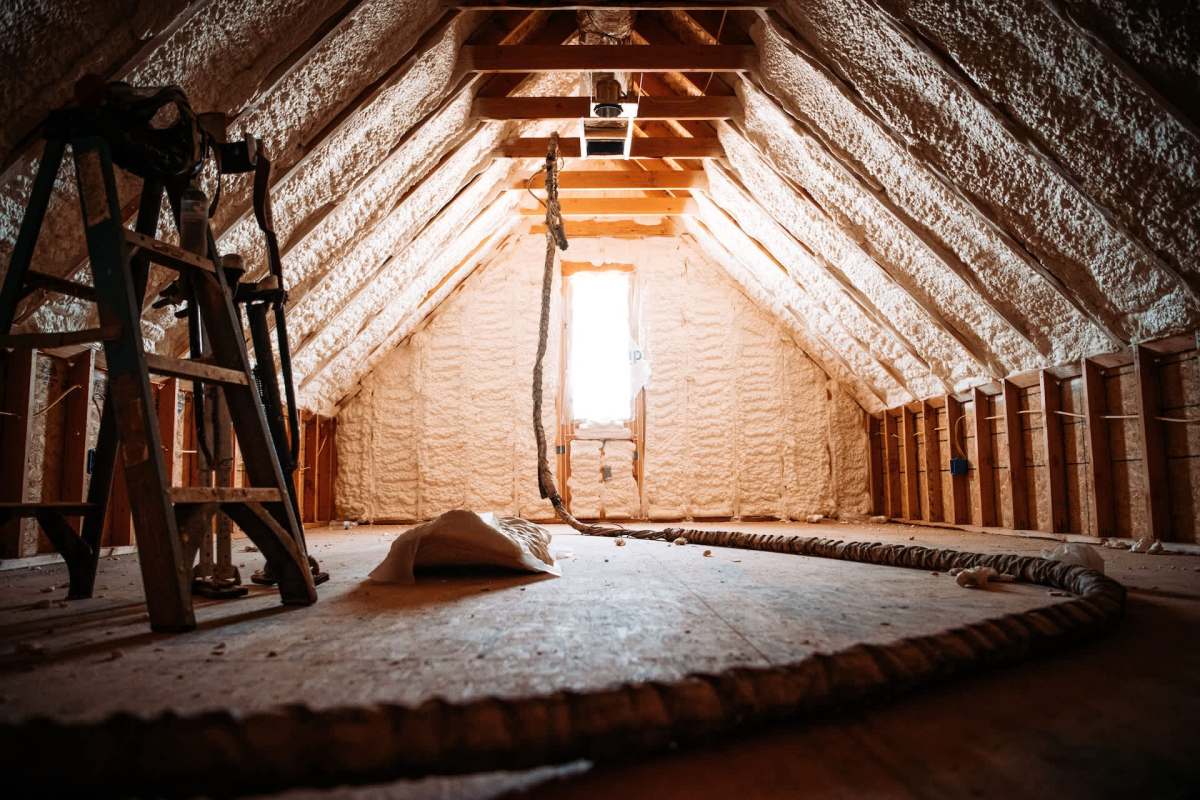
According to a Reddit post, the concern came up during a routine tune-up. The homeowner said their Trane XB80 natural-gas furnace is mounted horizontally in an attic whose roofline was spray-foamed in 2019, and the technician said the tightly sealed area may not be supplying enough air for proper combustion.
The technician warned of the possibility of incomplete combustion, carbon monoxide, and backdrafting. Because of that, the homeowner said the company advised replacing the existing system with a sealed-combustion unit and leaving the heater off in the meantime.
"I understand the safety implications, especially with two young children in the house. I'm taking that seriously and keeping the heater off," the original poster wrote.
Situations like this can force homeowners to weigh safety, comfort, and cost all at once. Upgrading heating and cooling equipment is often one of the best ways to lower utility bills and protect against rising energy prices, and Palmetto can help homeowners understand their HVAC options and reduce bills with newer, more efficient systems and heat pumps. Palmetto's Comfort Plan network can also help connect homeowners with efficient heating and cooling solutions and vetted installers.
More background
The homeowner hesitated because of a lack of evidence, not because they wanted to ignore the safety concern.
Although they said the proposed replacement could cost $6,000 to $10,000, they also said they hadn't been given written combustion test results, draft data, combustion-air calculations, or other documentation showing why replacement was the only acceptable remedy.
The picture became murkier when, according to the homeowner, the previous owner said the roughly 2,050-square-foot house was set up differently when the attic was foamed in 2019: one roof penetration handled exhaust, while a second was connected to ductwork intended to bring in outside air.
Crushed by your bills? See instant solar savings from vetted installers in just a few clicks With energy prices through the roof, there's never been a better time to go solar — and EasyHome can help you find the best prices from the best installers in your area. EasyHome takes the guesswork and headaches out of energy upgrades by showing you estimated savings from a network of vetted local partners. To get started, just enter your ZIP and share a few details about your home — seeing your estimate is really that easy. |

The current owner also said they found an insulated flex duct near the furnace with a Honeywell motorized damper actuator, but they could not tell whether it was meant to provide combustion air or fresh-air ventilation for the home.
Commenters were divided on that point. One commenter wrote, "The biggest concern that I have here is that it is a code violation to have a damper in the combustion air duct. Unless the damper is interlocked to the burner controls so that the furnace can't fire unless the damper is open."
Not everyone agreed; another commenter said the duct was "most likely fresh air for the home, not combustion air for the furnace."
What can be done?
Before deciding between setup changes and a full replacement, the homeowner said they planned to schedule a "combustion-safety inspection with actual CO, draft, spillage, and combustion-air measurements."
A commenter also said the technician should be asked to point to the precise code problem.
If the system can be made safe without replacing the furnace, the homeowner said several lower-cost possibilities appear to exist, including repairing any current outside-air intake, installing a properly sized outdoor combustion-air duct, or building a separate enclosure around the furnace so the rest of the foamed attic can remain sealed.
Another commenter suggested a basic test: raise the thermostat and see whether the normally closed damper opens before the burners ignite.
If replacement does end up being the safest option, Palmetto's Comfort Plan includes $0-down options that can lower heating and cooling costs by up to 50%, along with 12 years of free maintenance. Homeowners may also be able to reduce bills even further by pairing solar panels with electric appliances, including efficient HVACs, and EnergySage says it can help homeowners save up to $10,000 on solar installations by comparing systems and installers for their home and budget.
As one commenter put it: "Before doing anything simply ask the technician to show you where in the code it is wrong and why it needs to be replaced rather than corrected."

Get TCD's free newsletters for easy tips, smart advice, and a chance to earn $5,000 toward home upgrades. To see more stories like this one, change your Google preferences here.






