


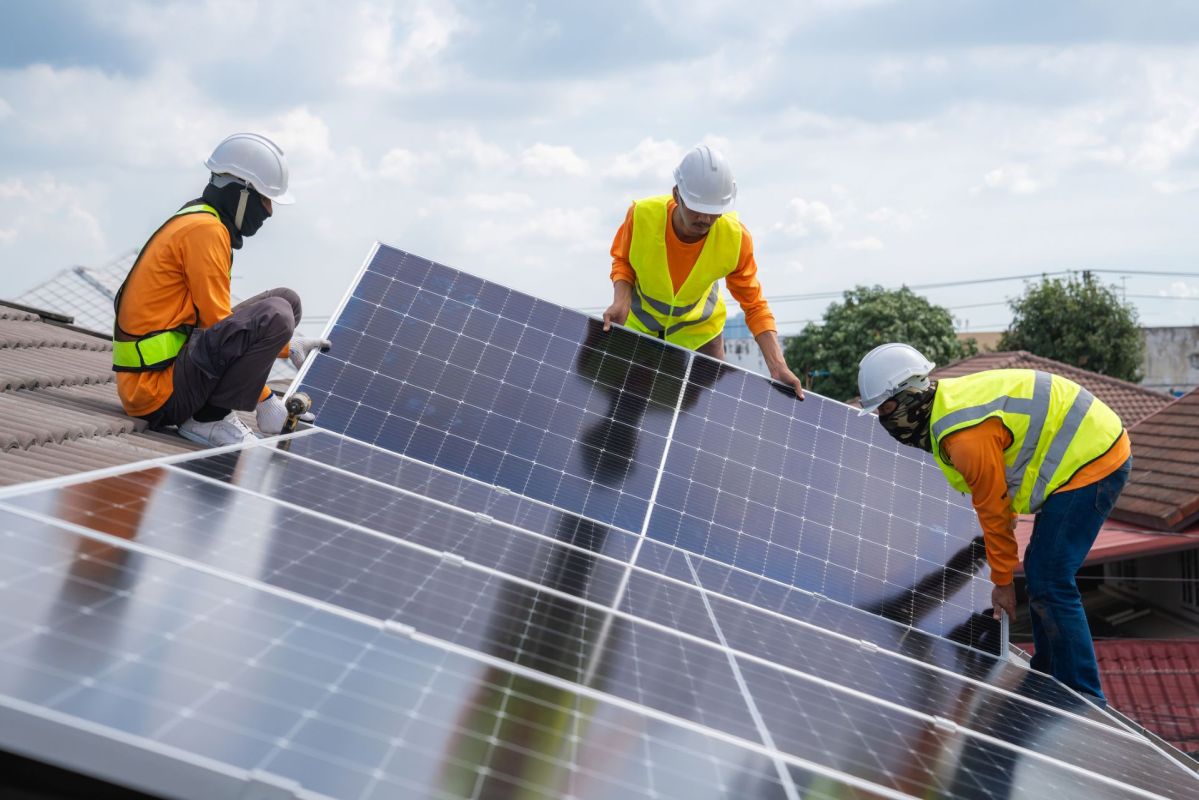
A Reddit user said their monthly electricity costs shot from about $10 to $500 after the solar setup on a house sold with "Owned Solar equipment" stopped working.
The situation became more confusing when the solar provider told them the panels and batteries weren't actually theirs.
Here's what to know
According to the Reddit thread, the buyer said the home sale was marketed as including paid-off solar equipment, only for the solar company to later say it still owned the hardware and wouldn't repair it. The buyer wrote that the company's response was: "your equipment? Not it's ours we're just waiting on a pickup date."
The buyer said renters, not the homeowner, originally approved the installation, and that the prior owners later won a lawsuit against both the solar company and the installer. But when the buyer reviewed the settlement, they said it appeared to show only that the contract had been terminated — not that the equipment became part of the property.
Commenters largely treated the problem as a legal issue, not a customer-service call. Calling the company's stance "some wild logic," commenters suggested the sellers, real estate agents, or title company may have failed to confirm who actually owned the solar equipment.
Still, going solar is one of the best ways to save money on home energy. Readers who want to compare pricing and projected savings from vetted local installers can use EasyHome's free explorer tool.
More background
The jump from a $10 bill to a $500 bill highlights how much a working solar system can change a household's monthly power costs.
What makes the dispute unusual is the apparent mismatch in the paperwork, not just the equipment failure. The buyer said the closing documents showed "no leases on the property and owned equipment," yet the solar company still said it owned the system. That kind of contradiction could leave a homeowner with unusable panels on the roof and no obvious company willing to service them.
Crushed by your bills? See instant solar savings from vetted installers in just a few clicks With energy prices through the roof, there's never been a better time to go solar — and EasyHome can help you find the best prices from the best installers in your area. EasyHome takes the guesswork and headaches out of energy upgrades by showing you estimated savings from a network of vetted local partners. To get started, just enter your ZIP and share a few details about your home — seeing your estimate is really that easy. |

The buyer also said the sellers "want nothing to do with the property anymore," that even their agent couldn't reach them, and that the panels are only about 2 to 3 years old — meaning repairs could still be worthwhile if ownership gets sorted out. Commenters, meanwhile, pointed to title records and possible UCC filings as documents that could help determine whether any financed-equipment claim was still attached to the system.
What can be done?
Hiring a real estate attorney was the most common recommendation. Some commenters said the buyer should not allow the company to remove the panels unless a lawyer approves it, while others argued the title company also deserves scrutiny if it missed a filing or other encumbrance during closing.
Commenters also proposed a separate practical step: have another solar repair company inspect the system. Several said an outside technician might identify an inverter issue and determine whether the equipment can be reset or reconnected. One commenter estimated that if an electronically locked inverter is the problem, replacement parts could run about $1,000 to $2,000.
For homeowners who want to avoid that kind of surprise, EasyHome's free explorer tool helps compare vetted installers, pricing, and expected savings before signing anything. The tool can also help readers explore backup battery storage; pairing solar with a battery lets homeowners maximize savings and keep the power on when the grid goes down.

Get TCD's free newsletters for easy tips, smart advice, and a chance to earn $5,000 toward home upgrades. To see more stories like this one, change your Google preferences here.






