


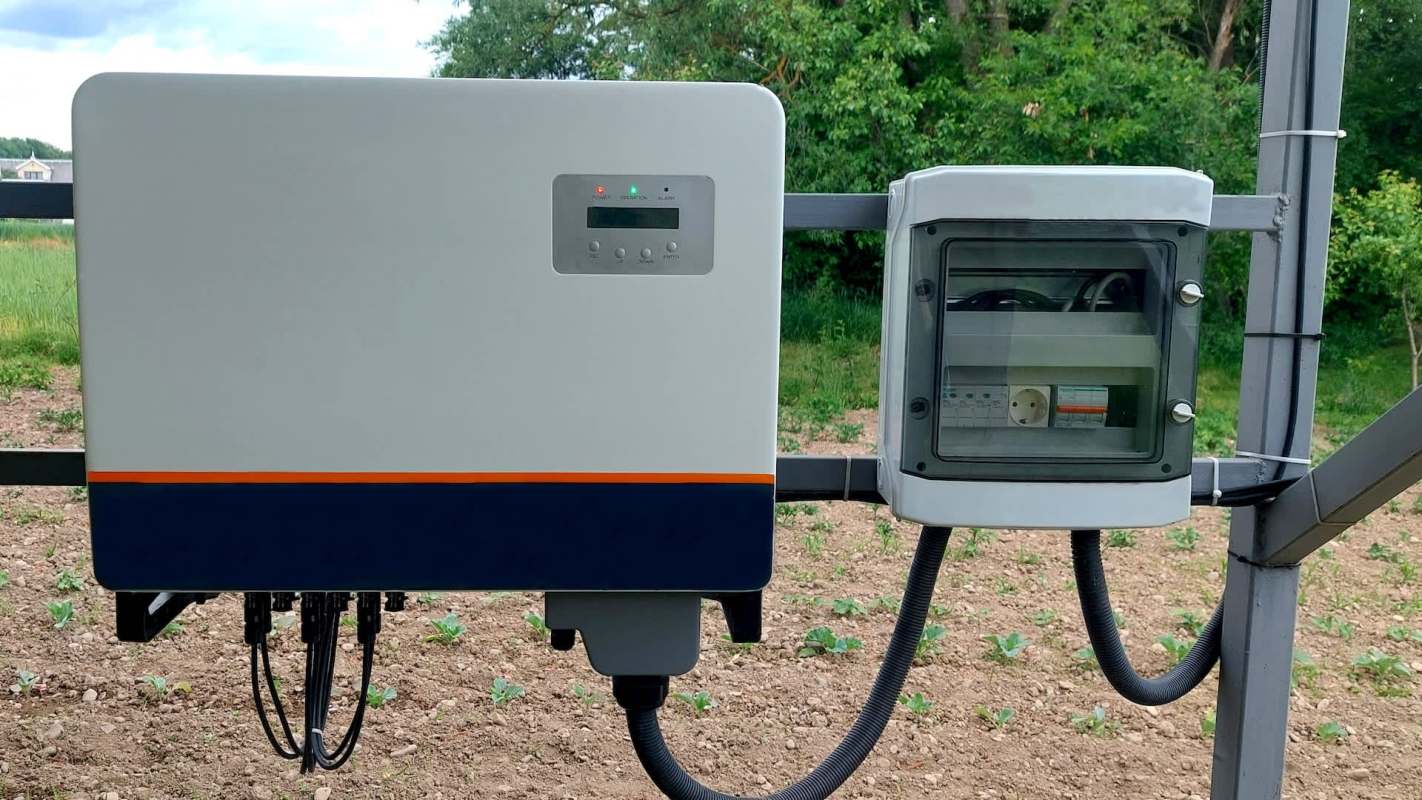
After shutting off solar input to lower fire risk during long absences from a remote outbuilding, an off-grid owner saw two 48-volt batteries run dry in just six days. The system had been left to power only an internet router and Wi-Fi security cameras.
People in the comments said the small electronics may not have been the real drain and pointed to something else.
Here's what to know
On Reddit, the owner described leaving a new 48V system with the PV breaker off, running only a router and some Wi-Fi security cameras. "In total these items use 20W at max," the original poster wrote, but the pair of batteries were still "completely drained after 6 days away."
Replies repeatedly pointed to idle consumption from the inverter, not the router or cameras. One commenter wrote, "It's your inverter idle draw (which is constant). High output inverters have higher idle draw. My Growatt 5000ES has a 65W idle draw, which is 1.5kWh a day, just to keep it on." Another commenter said their Sungold inverter also used about 1.5 kWh in idle mode.
For homeowners trying to avoid a mismatch like a 20-watt load sitting behind a 4,000-watt inverter, EnergySage can help compare home battery storage options, including competitive installation estimates. EnergySage has teamed up with electrification brand Qmerit to help homeowners get the best price on home battery storage solutions.
More background
If the batteries were actually 5-kWh units, one commenter calculated that draining a 10-kWh bank over six days works out to about 68 watts of nonstop usage. That figure is close to the idle-draw numbers other users mentioned for large inverters, raising the possibility that more stored energy was going to the inverter simply staying on than to the always-running electronics.
Cold weather may have been a minor factor as well, based on an update from the owner: "The building is insulated but unheated. We had low temps in the 40s F this past week." Over those same six days, the batteries also had no incoming solar charge because the panels were disconnected.
Battery storage can protect a home during outages, lower energy costs, and provide more energy independence. In a setup like this 48V outbuilding system, however, the wrong inverter can chip away at those benefits by using more power at idle than a router and security cameras require.
Crushed by your bills? See instant solar savings from vetted installers in just a few clicks With energy prices through the roof, there's never been a better time to go solar — and EasyHome can help you find the best prices from the best installers in your area. EasyHome takes the guesswork and headaches out of energy upgrades by showing you estimated savings from a network of vetted local partners. To get started, just enter your ZIP and share a few details about your home — seeing your estimate is really that easy. |

Another commenter said they leave the charge controller connected so the panels can keep topping up the batteries instead of cutting off charging during unattended periods.
What can be done?
Much of the advice focused on moving small, always-on devices off the main inverter. One commenter said, "If you can, hook up your router/cameras directly to the battery," while another wrote, "We used some Meanwell 12V and 5V DC supplies to power USB devices and fans without needing the inverter on."
Other replies said the battery bank should still recharge from the panels, saving the large inverter for when AC power is actually needed. One commenter wrote, "Run your Internet and cameras directly from dc, leave the solar on, and only turn on the inverter when you are actually present using it (unless there are other ac appliances you need to run while away)."
For households that mainly want backup for communications gear and a few essentials, Pila offers another option. Pila's plug-and-play batteries cost a fraction of a whole-home backup system, which may make more sense than keeping a high-output inverter energized for a 20-watt load.
One commenter also suggested a smaller Victron 48/500 inverter, saying it has about 10 watts of inverter-on losses versus the much higher idle-draw figures discussed for larger models.
That same conclusion surfaced elsewhere in the thread. One commenter wrote, "It's the inverter idle consumption. I'm actually surprised it lasted 6 days." With the panels disconnected, that steady standby demand may have been the building's biggest load.

Get TCD's free newsletters for easy tips, smart advice, and a chance to earn $5,000 toward home upgrades. To see more stories like this one, change your Google preferences here.






