


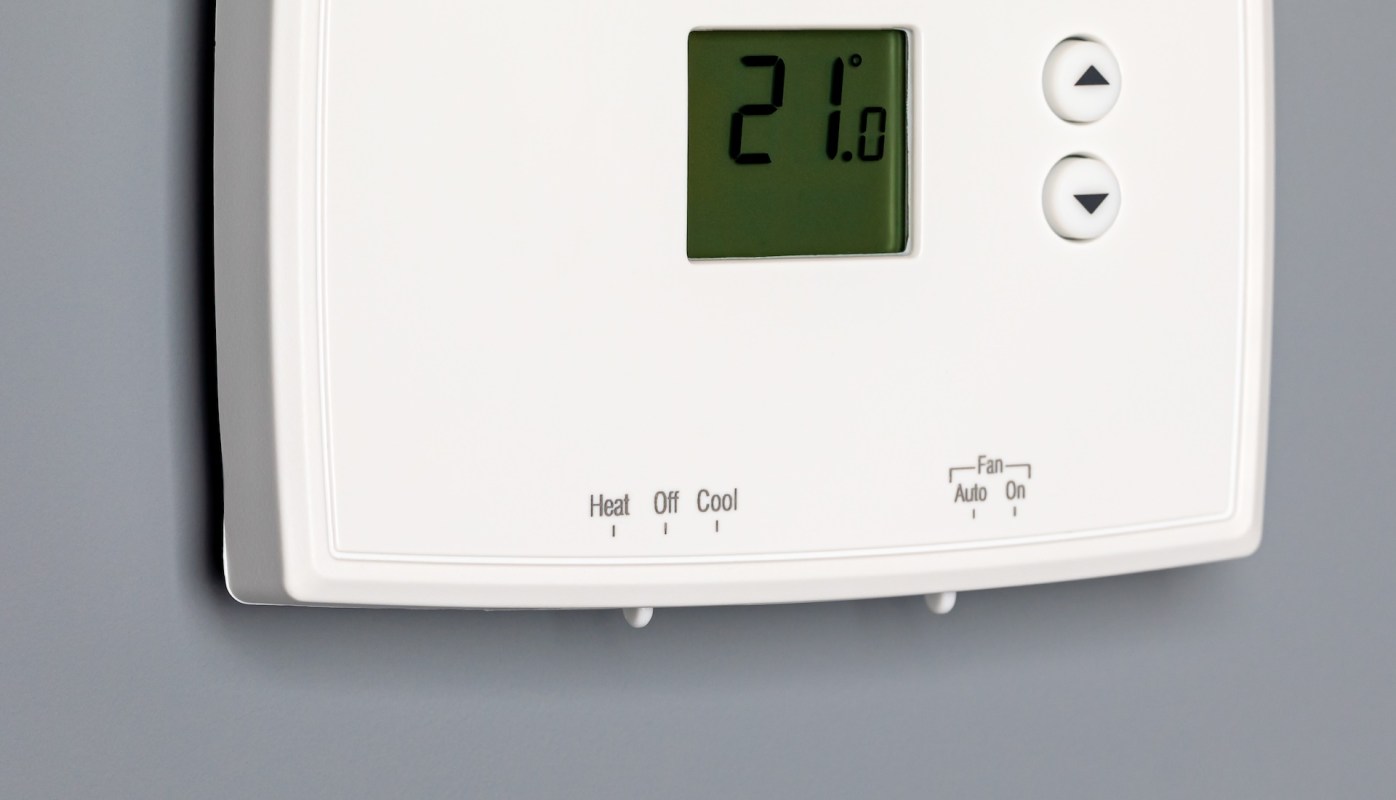
A U.K. homeowner said a brand-new Vaillant Arotherm Plus 5-kilowatt heat pump kept their house at 21 to 21.7 degrees Celsius (69.8 to 71.1 degrees Fahrenheit) through its first full day.
Peak electricity pricing then complicated the early success.
Here's what to know
On Reddit, the original poster said a crew completed a five-day project to remove an old oil heating setup, install the new unit, and carry out associated work.
The homeowner, however, was uncertain how to run the new equipment on a time-of-use tariff. Following the installer's recommendation, they put the heat pump in "inactive" mode so it would follow weather compensation. When they lowered the thermostat to 17 C (62.6 F) during a costly window, the homeowner said the house cooled by only 0.5 C (0.9 F) in two hours.
The homeowner said in a comment that the system had used 2.1 kilowatt-hours while outside temperatures were 7-11 C (44.6-51.8 F). They estimated the cost for the day at 50 pence ($0.67).
Their hot water also lasted longer than expected, falling from 45 C (113 F) after testing to 40 C (104 F) before a scheduled 4 a.m. reheat.
That kind of performance helps explain why heating and cooling upgrades can be one of the best ways to save money on utility bills and guard against rising energy prices. For homeowners considering a similar move away from oil, Palmetto can help explain HVAC options and reduce energy bills with newer, more efficient HVAC units and heat pumps. Its Comfort Plan network can connect customers with vetted installers and efficient heating and cooling solutions for their homes.
More background
Even though they were impressed, the homeowner was seeking even more efficiency gains.
Crushed by your bills? See instant solar savings from vetted installers in just a few clicks With energy prices through the roof, there's never been a better time to go solar — and EasyHome can help you find the best prices from the best installers in your area. EasyHome takes the guesswork and headaches out of energy upgrades by showing you estimated savings from a network of vetted local partners. To get started, just enter your ZIP and share a few details about your home — seeing your estimate is really that easy. |

"Is there a better way to achieve a reasonably static temp and keep running costs down?" they asked.
"What's 'inactive' is any reaction to the current room temperature," one commenter wrote. In other words, changing the target temperature changes how the system runs, while "active" mode causes a quick reaction when the room temperature moves away from the setpoint.
The homeowner tried that approach during two free Octopus hours and said active mode lifted the home's temperature 2.2 C (4 F) in two hours, enough to help it coast through the peak period. The household also follows National Health Service shift patterns — ending work at 2 p.m., 8 p.m., or 10 p.m. — and uses an electric shower, so its demand pattern is quite different from that of a typical home with heavy evening use.
"I'm going to persevere with inactive for now, its been cheap as chips and super low usage to keep the house steady today with a drop in target temp in the peak cost window," the OP concluded.
What can be done?
Users said that for heat pump owners on tariffs, small adjustments may work better than big temperature swings. One commenter said they raise the house by 1 C (1.8 F) before peak pricing and lower it afterward, while another said shifts greater than 1 C in either direction can reduce comfort and efficiency.
For homeowners planning an upgrade like this oil-to-heat-pump swap, the Comfort Plan can help. If you are not ready to spend up front, the Comfort Plan includes $0 down options that can lower heating and cooling costs by up to 50% and include 12 years of maintenance.
The homeowner said they could add a battery, and the last commenter wrote that solar panels plus battery storage had made their own heating routine easier to manage. Pairing solar panels with electric appliances, including an efficient HVAC system, can drive utility costs even lower. EnergySage makes it easy to compare solar options and find the best solar system and installer for your home and budget, helping homeowners save up to $10,000 on solar installations.
"I'm going to persevere with inactive for now," the homeowner said in another comment. "It's been cheap as chips and super low usage to keep the house steady today with a drop in target temp in the peak cost window."

Get TCD's free newsletters for easy tips, smart advice, and a chance to earn $5,000 toward home upgrades. To see more stories like this one, change your Google preferences here.






