


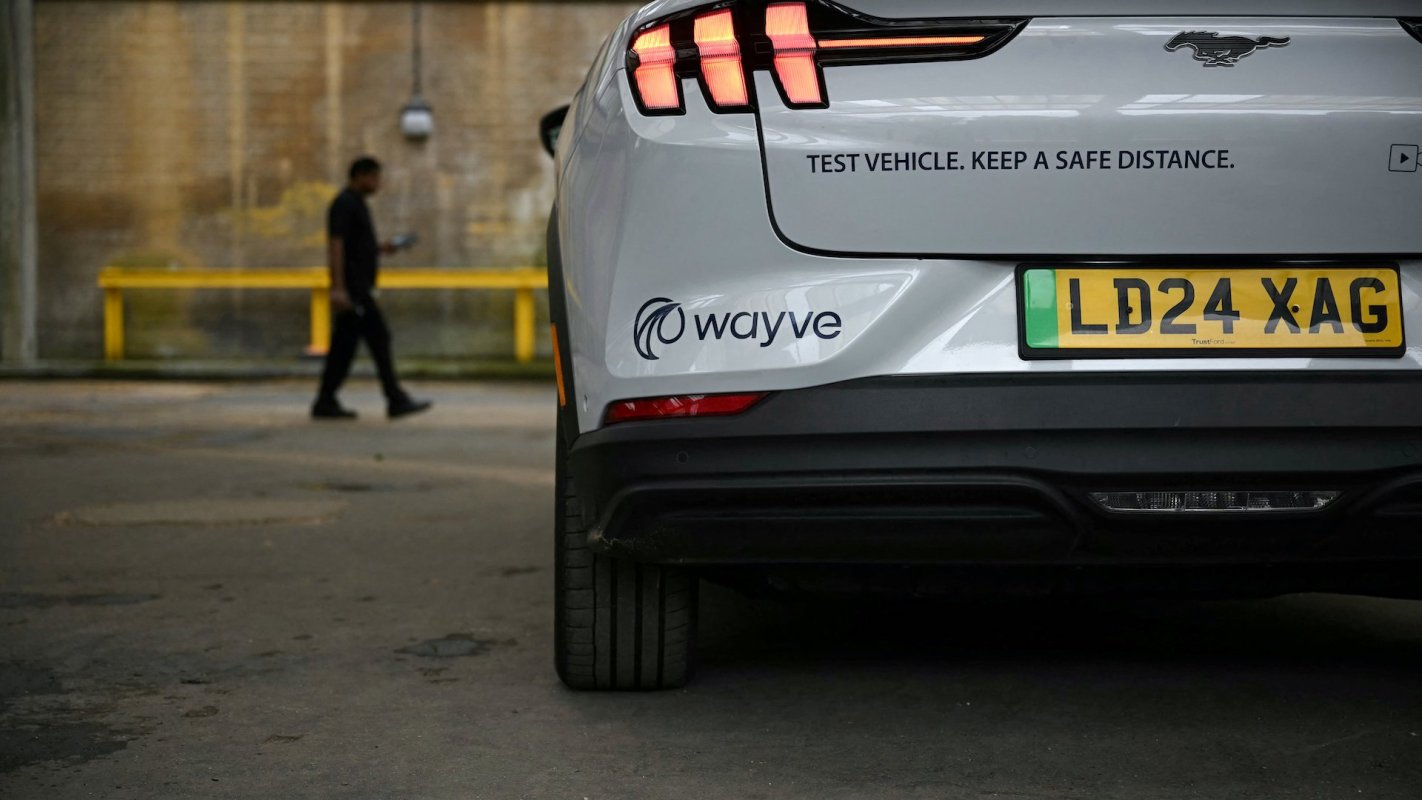
A small protest outside Wayve's King's Cross offices reflected a concern about robotaxis in London: whether streets, transit systems, and workers are ready for cars that may never need a break.
One driver said he was "worried that [he'll] be forced to compete with a machine that can work 24 hours," according to BBC News.
Here's what to know
About 15 people turned up outside Wayve's King's Cross office to demand an end to the capital's driverless taxi trials. The company is testing vehicles in London with human safety operators aboard, and Waymo is also trialling the technology on city roads.
Private hire driver Abdurzak Hadi, a member of the App Drivers and Couriers Union, called on Transport for London to stop issuing licences for driverless vehicles until the plans for introducing them were clearer.
He said the trials had not been properly explained to drivers, the BBC reported, asking, "No message was sent to the wider drivers to inform them of the situation; what is TfL's stance in this position? What's going to happen?"
More background
Priyanka Khurana of Fare Free London said robotaxis could mean both heavier traffic and less work for human drivers, per the BBC.
TCD Picks » Quince Spotlight
💡These best-sellers from Quince deliver affordable, sustainable luxury for all




"By adding more cars, you're first of all taking away the jobs of the taxi drivers," Khurana said. "Instead of having more buses, you're having more cars on the road and that's what we don't want."
A London Assembly Transport Committee report said driverless taxis could worsen congestion and threaten jobs, while urging stronger regulatory powers for TfL, per the BBC.
What's being done?
Wayve said it is developing the technology with Uber in stages and working with Transport for London to ensure any future service is rolled out responsibly, the BBC reported. Its London test vehicles include human safety operators on board.
The company said automated passenger services could "make a positive contribution to London's transport system, helping to improve road safety, expand connectivity and give people more ways to travel."
A spokesperson also said there was "clear excitement in the potential for this technology to support safer, more accessible journeys," provided it is introduced responsibly, per the BBC.
Labor groups are also calling for protections if automation displaces workers.
GMB union representative and London bus driver James Rossi said the companies behind driverless technology should help fund retraining for workers who are pushed out of their jobs, the BBC reported.
"We're not here to stop artificial intelligence," Rossi explained.

Get TCD's free newsletters for easy tips, smart advice, and a chance to earn $5,000 toward home upgrades. To see more stories like this one, change your Google preferences here.






