


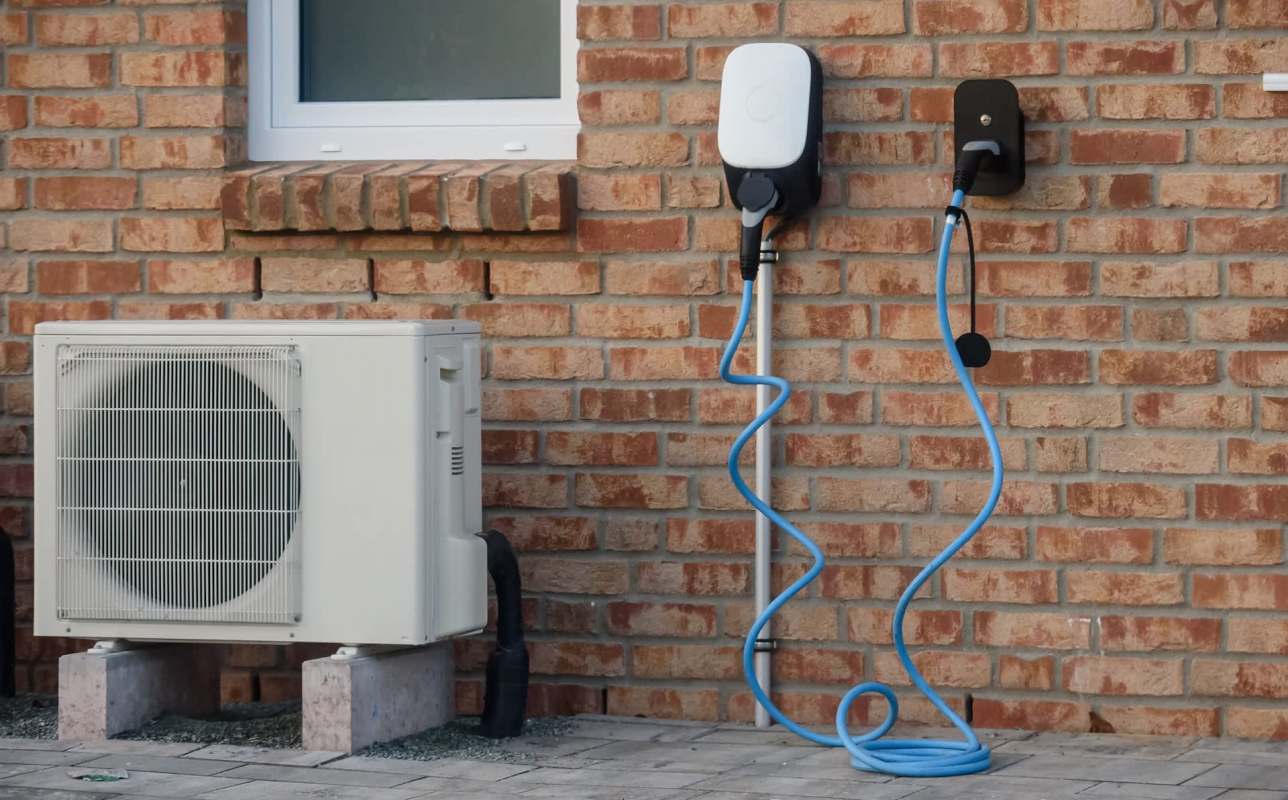
A Massachusetts homeowner said switching from oil heat and air conditioning to a heat pump brought their 3,000-square-foot home's average monthly heating and cooling cost down from about $850 to about $250 — even with EV charging attached to the electricity bill.
Here's what to know
In a thread on r/HeatPumps, the original poster asked how much money a heat pump really saves if it replaces a routine of letting the house cool down overnight in winter and heat up while no one is home in summer.
"I get heatpumps are more efficient…but does changing your environment ie keeping a consistent temperature eat up or over ride any savings?" the OP wrote.
A reply from someone in Massachusetts offered a direct bill comparison: "Average heating/cooling cost across a year was $850/mo the first year we were in the house. With the heatpump (and current electric prices on muni electricity at $.15 total cost per kwh) its $250/mo (that also includes charging my ev at home)."
According to that same homeowner, the thermostat change was not dramatic, going from "like 67 winter 74 summer to just keeping it at 71 year round."
For readers considering a similar upgrade, Palmetto can help homeowners understand their HVAC options and reduce energy bills with newer, more efficient HVACs and heat pumps, while its Comfort Plan network can connect them with vetted installers.
More background
People with smaller homes also described notable savings. One commenter said a 1,000-square-foot house that used an electric furnace ran up a $500 December bill at 65 degrees. After the switch to a heat pump, winter power bills "never went above $250" while the home was kept at 68 degrees.
A homeowner in Colorado said that after about 18 months with 21 SEER2, 10.5 HSPF2 heat pumps and 97% gas backup, replacing older 13 SEER air conditioners and 90% efficient gas furnaces, first-year gas use fell 27% and electricity use dropped 21%.
Crushed by your bills? See instant solar savings from vetted installers in just a few clicks With energy prices through the roof, there's never been a better time to go solar — and EasyHome can help you find the best prices from the best installers in your area. EasyHome takes the guesswork and headaches out of energy upgrades by showing you estimated savings from a network of vetted local partners. To get started, just enter your ZIP and share a few details about your home — seeing your estimate is really that easy. |

A homeowner in Connecticut reported "roughly 25%" savings versus earlier heating and cooling costs, even while conditioning more of the house, including a basement and bedrooms that had not been heated as much before.
Lower bills were not the only upside the Massachusetts homeowner mentioned.
They also said getting rid of oil improved everyday comfort in another way, writing, "The basement is so much more usable now that it doesn't have lingering oil smell throughout it."
What can be done?
Across the discussion, commenters kept returning to utility pricing and system setup rather than any universal rule.
For instance, one Connecticut commenter said electricity there cost "about $.25 a kW," while the Colorado homeowner said they had to "muck with the settings" so the gas backup would not come on just to cover a few degrees in the morning.
A commenter using a variable-speed system said it seemed especially efficient at lower speeds and suggested making gradual thermostat adjustments instead of big temperature swings.
If upfront cost is a barrier, Palmetto's Comfort Plan includes $0-down options that can lower heating and cooling costs by up to 50%. The plan also includes 12 years of free maintenance.
Homeowners can also pair solar panels with electric appliances, including an efficient HVAC system, to push utility costs even lower. For households already thinking about heat pumps and EV charging, EnergySage makes it easy to compare solar options and can help homeowners save up to $10,000 on solar installations.
Summing up the first year of results, the Colorado commenter wrote, "Short answer is yes, it saved a ton of money and kept the house way more comfortable."

Get TCD's free newsletters for easy tips, smart advice, and a chance to earn $5,000 toward home upgrades. To see more stories like this one, change your Google preferences here.






