


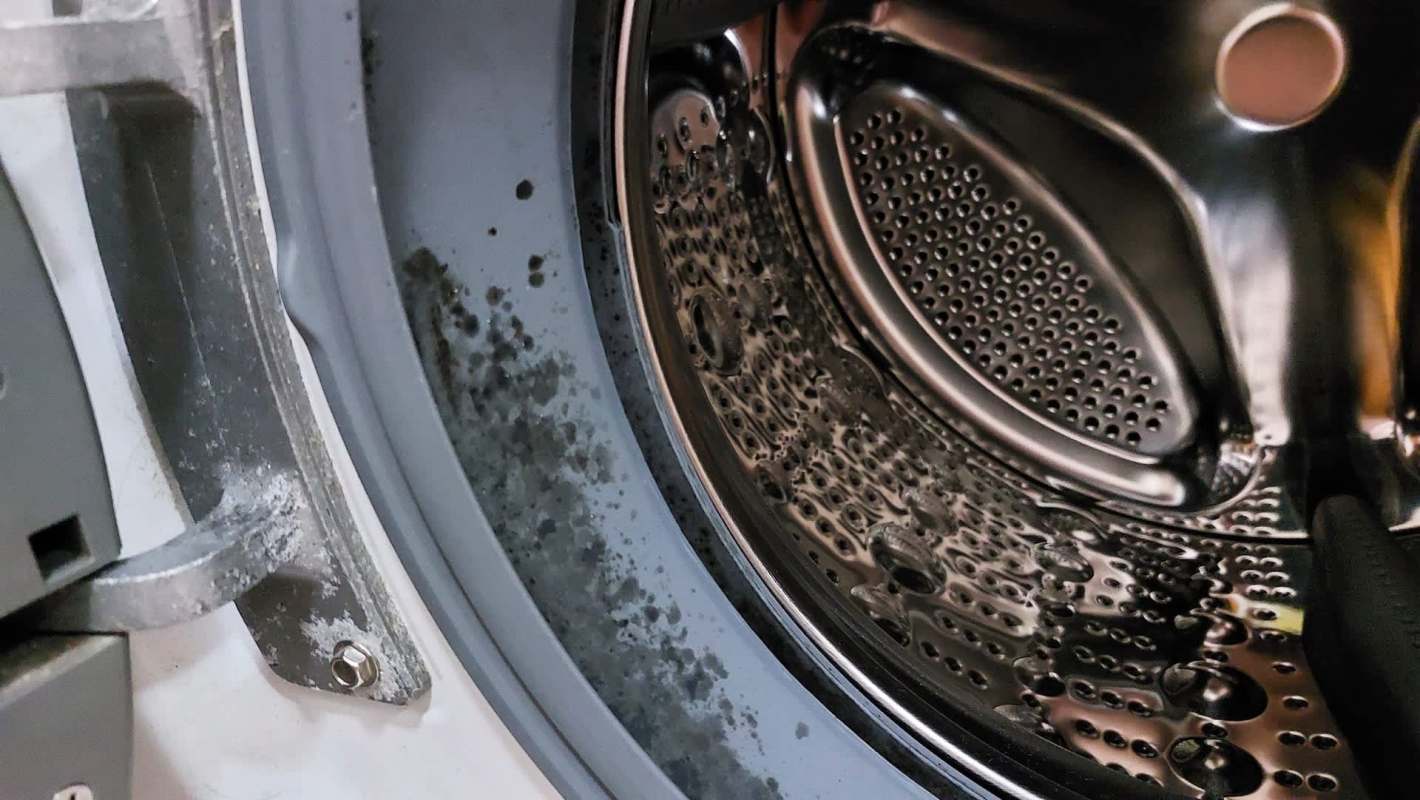
Shortly after moving into a rental house, a couple found what they believed was black mold around the washer's door seal and inside the detergent drawer — and a dryer that performed so poorly it took four high-heat cycles to dry a single load.
That turned the appliance problem into a lease problem as well: because the washer and dryer were reportedly described as "gifts," the couple was left trying to figure out whether they could replace the units themselves or had to wait for a reluctant maintenance worker.
Here's what to know
On Reddit, the original poster explained that the home came with a washer and dryer, but the lease stated tenants were responsible for repairs to those machines.
At the same time, however, maintenance still treated the appliances as the homeowner's property. That contradiction was stalling any solution.
The maintenance worker reportedly didn't want the couple to replace the machines, mostly because there was nowhere to store the old ones, and the dispute dragged on.
The urgency increased when the OP identified a second laundry issue.
TCD Picks » Quince Spotlight
💡These best-sellers from Quince deliver affordable, sustainable luxury for all




"To add insult to injury, our dryer also isn't working," they added in a comment. "It takes 4 high heat cycles to dry one load. Unsure if this is a venting issue but I'm not super well versed in the laundering world."
Other commenters said a blocked vent could be to blame, with one calling it "a safety issue."
"Yes! Huge fire hazard!" another concurred — but not everyone in the thread thought the washer needed replacing. Several commenters maintained that mildew is common in front-loading machines.
"This is not a big deal!" a Reddit user replied. "You've never used a front load have you? Google how to clean the very common mold. Takes less than 1 hour. Clean it, then leave the door open between washes. Then clean the dryer vent."
Others pointed to the gasket and detergent dispenser as the most likely causes.
More background
One commenter boiled the central issue down to "a confusion [that] needs to be resolved" and cited two possibilities: either the tenants are responsible for maintaining and replacing the appliances, or the machines still belong to the landlord and remain the landlord's responsibility.
A faulty washer and an inefficient dryer can quickly increase household costs. Running four high-heat cycles for a single load means extra electricity, more time, and added wear on clothing, while visible growth inside a washer seal or detergent tray raises obvious hygiene concerns for a household that has just moved in.
There was also disagreement over whether the buildup should be called mold or mildew unless it is tested.
Even so, the thread kept circling back to the same practical concerns: lingering moisture in the front-loader, a possible lint or vent blockage, and uncertainty over who owns the appliances.
What can be done?
For the dryer, the most common suggestion was to investigate the venting first.
"If the dryer gets hot it's a venting issue," a commenter observed. "The maintenance needs to clean out the vent because that would be a safety issue."
Others urged the renter to inspect the lint filter, the hose behind the machine, and the full line leading to the outside exhaust port.
For the washer, commenters focused on cleaning and drying the areas where moisture collects. They suggested taking out the detergent drawer, wiping down the gasket, and leaving the front-loading door open between cycles so the seal can dry.
One commenter noted the dispenser "can be removed easily."
"A bit of [bleach] and a few gloves will clean the washer up," another concurred.
Commenters also warned the OP to hold off on spending money until the lease language is sorted out.
"A professional maintenance visit for washer & dryer to fully clean filters & vents may be a solution but until ownership is established I wouldn't pay out of pocket."
Landlords across the country have prevented residents from making money-saving lifestyle changes, including gardening and hanging clotheslines to dry laundry — restrictions that can leave tenants even more dependent on whatever appliances come with the property.
Those dealing with broader building rules — whether that means laundry restrictions, clothesline bans, or limits on home gardening — can work with property managers and owners to change bylaws for the benefit of all tenants.

Get TCD's free newsletters for easy tips, smart advice, and a chance to earn $5,000 toward home upgrades. To see more stories like this one, change your Google preferences here.






