


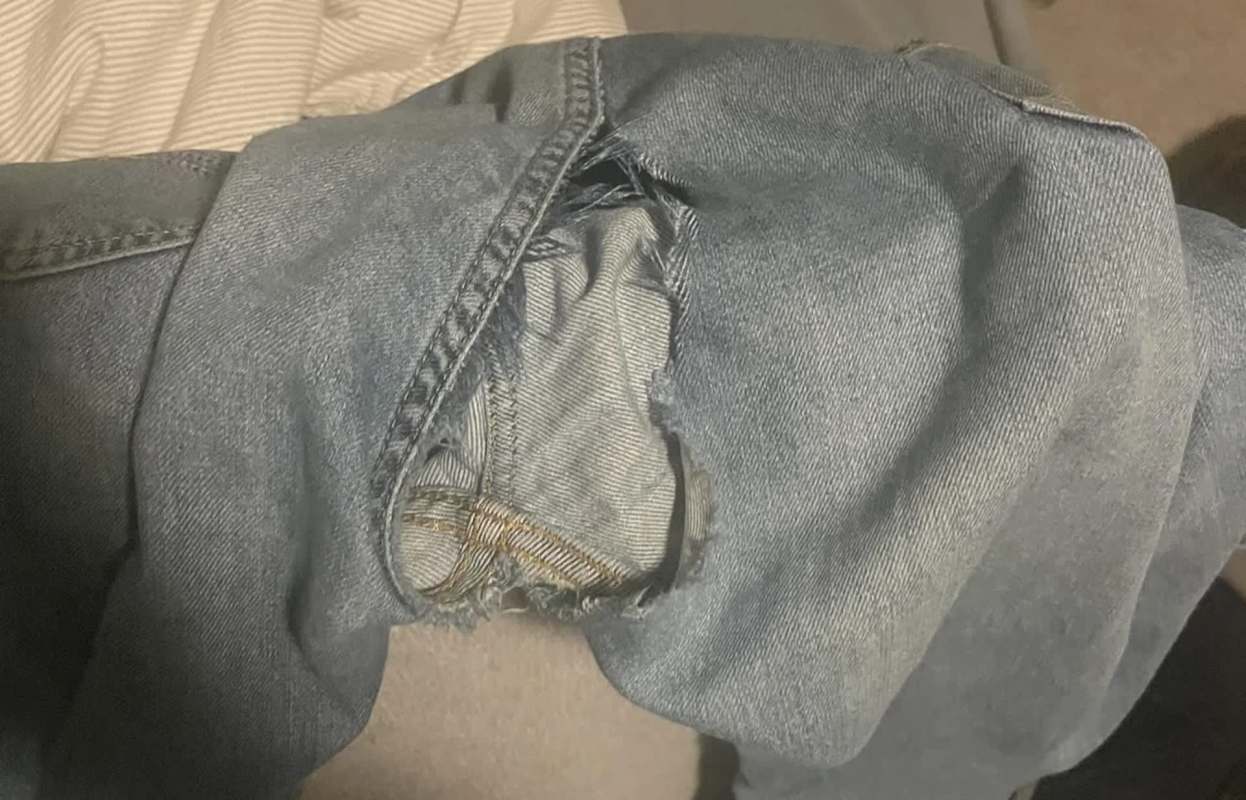
Shoppers rallied around a complaint from someone whose roughly $100 Levi's 505s tore "wide open," with several saying the blowout matched their own experience.
What stung most for the poster was paying $90 Canadian ($125 in the U.S.) for jeans they said saw only light use a few times each week.
Here's what to know
On Reddit, the original poster said they bought the Levi's 505s from the Canadian clothing store Mark's. They wrote that the damage began when they crouched and "heard a seam pop" and that the pants later ripped open completely, even though they were not used for work and had not been subjected to unusual strain.
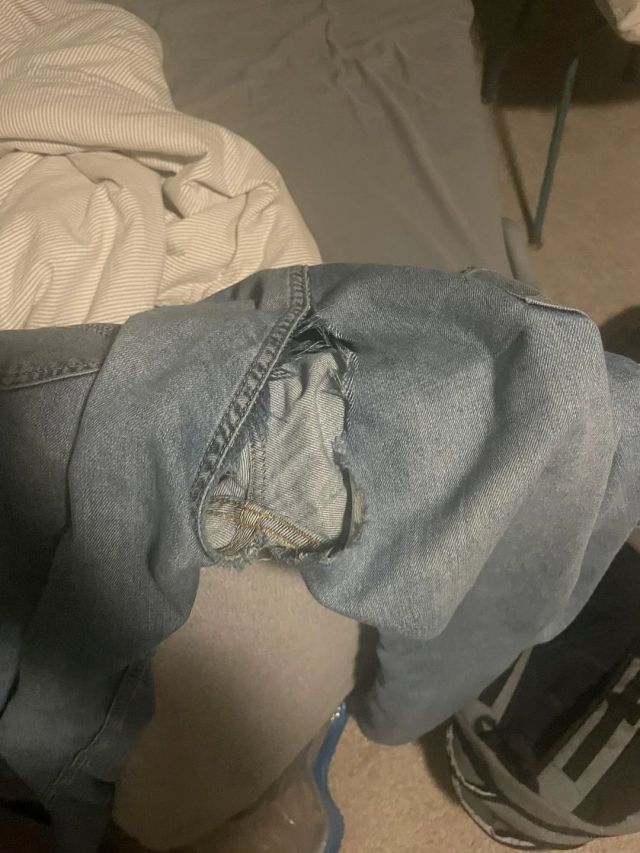
Rather than treating it as a one-off defect, commenters suggested this was part of a bigger decline in how long clothing lasts. One person wrote, "Levi's completely fell off in quality at some point," and another said Levi's "used to last 10 or 20 years."
Some replies described nearly the same kind of wear. One commenter noted that "the crotch has been ripping out" on their pair, while another added, "I always have this exact tear."
When a pair of jeans meant to last fails, clothing becomes a recurring expense instead of a durable purchase, leaving shoppers paying more for less.
TCD Picks » Quince Spotlight
💡These best-sellers from Quince deliver affordable, sustainable luxury for all




With specific anedotes, it's always difficult to determine what other variables may have contributed to wear and tear that older pairs from the same company may have succumbed to as well, though, as any clothing item is subject to eventual wear and tear and even more so when strained under certian types of usage.
Levi's says on its website's Product Quality and Safety page that it keeps high standards for its products.
"We have product testing programs in place to review our products that go to market for compliance with our stringent requirements for fiber, fabric and production quality, and environmental and social responsibility in the supply chain," Levi's says. "This includes testing fabric and zipper durability, and fasteners such as buttons and snaps to ensure they are securely attached and do not pose choking hazards to children."
More background
Older denim came up repeatedly in the discussion as a point of comparison.
"I've got a thrift store pair that have been so much better," the OP wrote in a follow-up. "They feel like a different material, it's much thicker and heavier."
They added that they "have two more pairs of 505s I got from ValueVillage for $7 apiece," saying that "the quality is night and day." In their view, the problem was not limited to a single popped seam; it reflected a change in the material itself.
That complaint was echoed elsewhere in the thread, with one user citing "super cheap materials."
The issue goes beyond one brand.
Cheaply made clothing that wears out quickly is costly for shoppers, and fast fashion carries major environmental and social consequences, including water contamination, air pollution, and reliance on exploitative labor practices. When clothes are replaced more often, those costs add up for both consumers and the planet.
A Reddit user lamented, "Planned obsolescence, fast fashion and ens***ification — welcome to the new era!"
While that has been true with some products at times, though, it's hard to imagine purposefully designing expensive clothing items from a trusted brand like Levi's jeans to break down quickly as a scheme to get people to buy more, though, since it would only hurt the brand's reputaiton and turn customers away.
What can be done?
Some people suggested trying customer service before writing the brand off.
"Had this happen," a commenter wrote. "Sent pics, with a polite letter of complaint, to Levi's and they sent an $80 coupon to replace them."
A second reply pointed to a similar outcome: "I mailed back a pair a few years ago and they sent a duplicate pair back," suggesting customer-service complaints can sometimes lead to replacements or store credit.
Others said they solved the problem by buying different clothes altogether. One commenter said they moved away from Levi's for work and switched to Wrangler Outdoor pants because they are "significantly more comfortable and breathable to work in," while another said they bought "6 pairs of baggy Muji khakis" and had been rotating those instead.
The OP said they had made a similar shift: "I've switched to Carhartt overalls, they do me well enough."

Get TCD's free newsletters for easy tips, smart advice, and a chance to earn $5,000 toward home upgrades. To see more stories like this one, change your Google preferences here.






