


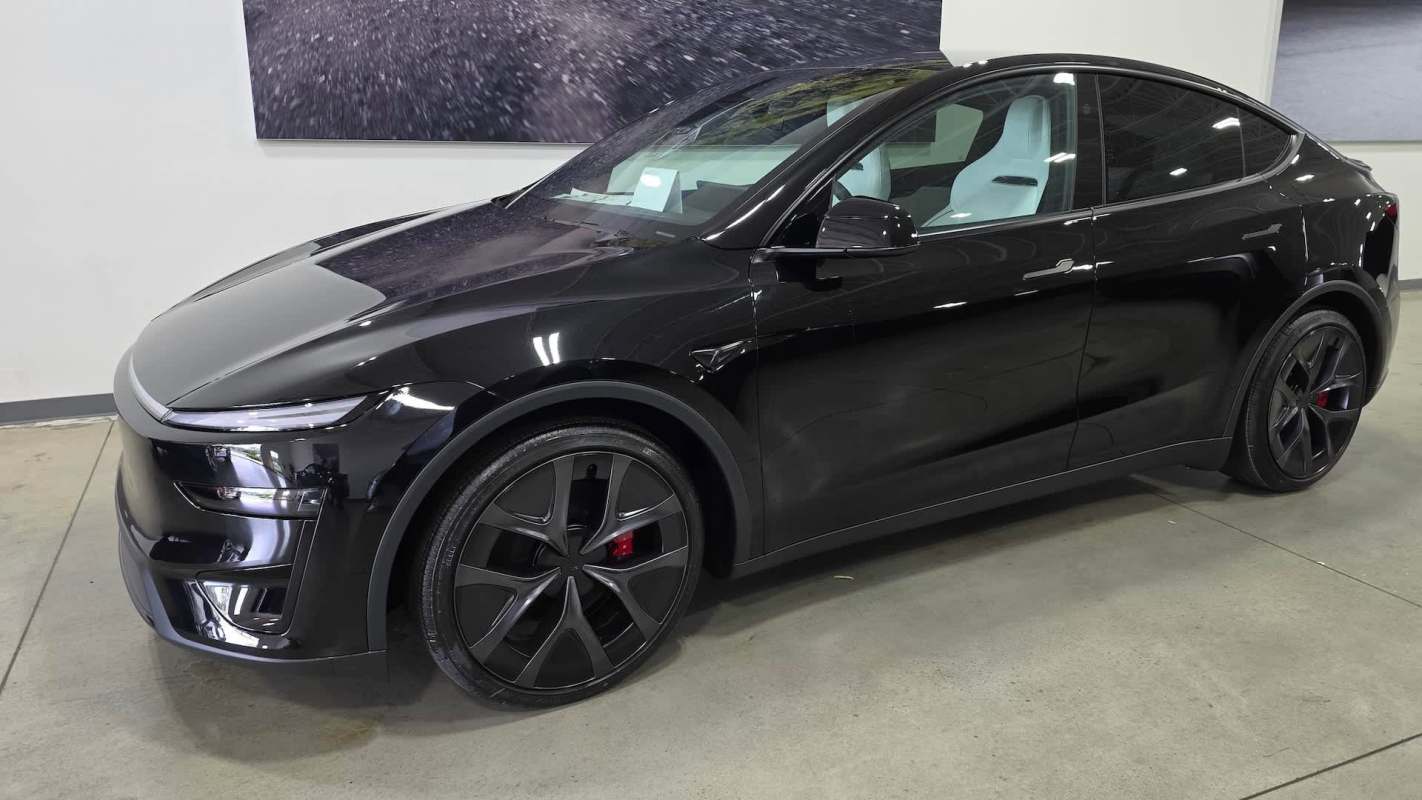
A 2026 Tesla Model Y Performance owner said the steering wheel vibrated once the vehicle went above 70 mph, and the issue remained unresolved after two Tesla Service visits.
Here's what to know
In a post on r/TeslaModelY, the owner said a wheel-balance attempt did not solve the problem. Other drivers in the Reddit thread also described similar shaking at highway speeds in both newer and older Model Ys.
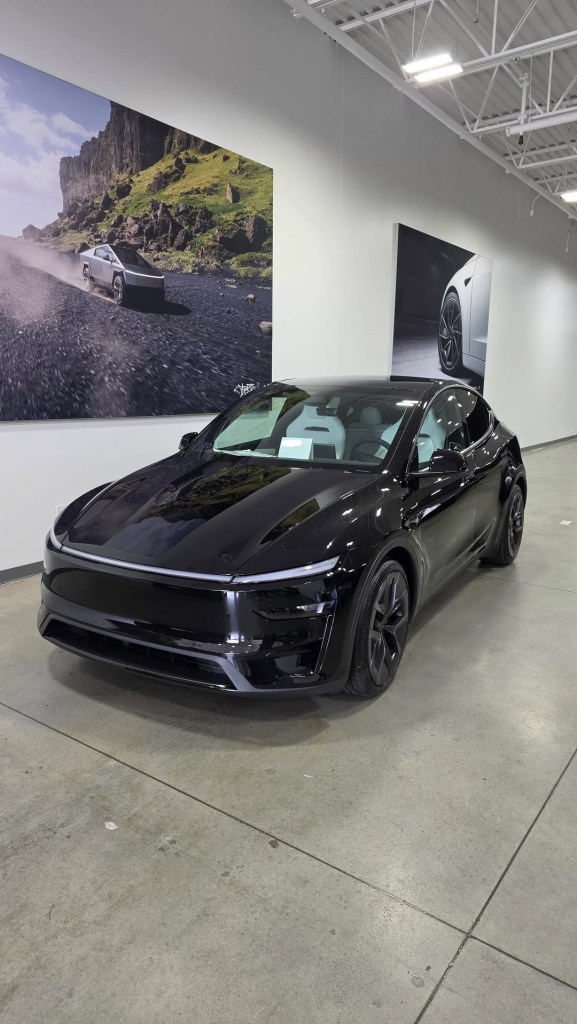
In a reply, the original poster said, "They can replicate the vibration, but say that the problem has been fixed since they can't drive past 70mph."
Another commenter added they had "the exact same issue" and described the shaking as "really bad past 80-85." Others noted a standard balance was not always enough to solve the problem.
"This just happened to me," someone shared. "Sent the car to Tesla, they replaced the tire, rebalanced — vibration is gone."
That suggests at least some cases may come down to a single tire rather than a wider steering defect. For owners of a brand-new performance SUV meant for highway driving, repeated service visits and an unresolved shake can create both uncertainty about whether the vehicle is actually fixed.
TCD Picks » Quince Spotlight
💡These best-sellers from Quince deliver affordable, sustainable luxury for all




More background
Many singled out tire foam separation as a likely cause. Some EV tires use internal acoustic foam to reduce road noise, and several people in the thread said that when the foam comes loose, it can lead to steering-wheel vibration.
"It's the foam in the tires," one person wrote.
Someone with a 2023 Model Y described the same pattern, reiterating that a balance didn't fix it. They said the vibration went away only after the separated-foam tires were replaced, and they added that they switched to non-foam replacement tires, though they expected "some range loss."
The thread also included reports that went beyond tires alone. One commenter said both their 2026 Model Y Performance and Model S Plaid shook, and that after several tire replacements, alignments, and road-force balances, "both the arachnids and velariums just cause steering shake." They noted switching to a square setup of UP wheels made both vehicles "as smooth as butter."
Three possible causes were listed by someone who identified themselves as a Tesla technician lead: "Possible foam separation on one of or both of your steer tires," alignment issues involving camber or toe, or a tire balancer that had not been properly calibrated.
What can be done?
The advice in the thread centered on asking for more specific diagnostic work instead of another basic rebalance. Road-force balancing came up repeatedly, with one commenter specifically recommending it rather than a standard tire rebalance.
Others said owners should ask Tesla to check for separated foam inside the front tires. One noted that Tesla did not identify the problem until they "brought an actual picture of tire foam peeled loose inside a tire," along with their own guess about which tire was causing the vibration.

Get TCD's free newsletters for easy tips, smart advice, and a chance to earn $5,000 toward home upgrades. To see more stories like this one, change your Google preferences here.






