


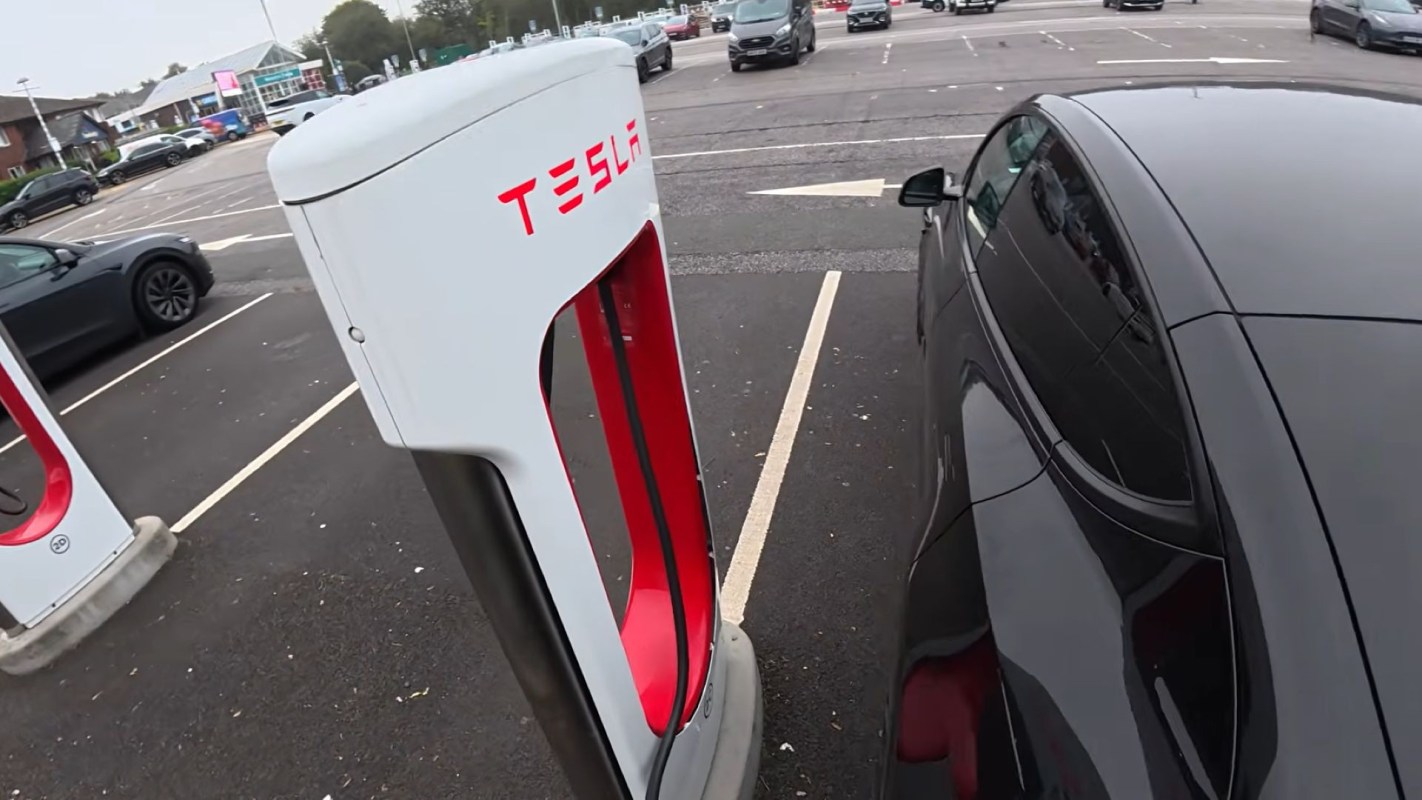
A Manchester-area Uber driver put his Tesla to a simple test. UK-based creator Stan (@driverstanley) charged it to 100%, drove Uber until the battery hit 0%, and saw what one full battery actually earns on the road.
Here's what to know
Posted on YouTube, the video follows a shift around Manchester, with trips reaching places such as Burnley, Nelson, Bury, and the airport. The receipts shown in the video total £179.56 (~$238.88 USD) from 19 rides, including a £2 tip (~$2.66).
Stan's Tesla display recorded 196.2 miles of driving, 50.8 kilowatt-hours used, and 258.7 watt-hours per mile. Before starting work, he spent £15.39 (~$20.47) to charge from 2% to 100%, and he said the stop lasted about 57 minutes because the battery had not fully preconditioned.
To estimate daily ownership expenses, he combined a £470 monthly car payment with £300 monthly insurance and divided the £770 ($1,023) total by 30 days, arriving at £25.67 ($34.15) per day. Subtracting that figure and the £15.39 charging cost from £179.56 gave him a profit of £138.50 ($184.25).
Stan also made clear that this was not full net profit. The caption says the figure is before tax and excludes costs such as road tax, MOT, maintenance, tires, repairs, and parking, and it adds that the Tesla's 10-hour-32-minute trip timer included breaks and a meeting.
More background
Instead of choosing a strong earnings day, he chose a slower one. Stan said "a Monday is not busy" and described it as "the most accurate presentation of what a day would look like," making the exercise more about a typical shift than an unusually good one.
TCD Picks » Quince Spotlight
💡These best-sellers from Quince deliver affordable, sustainable luxury for all




"You need to be more picky with your trips bro!" a commenter reacted.
Another viewer focused on mileage and wrote, "Your pay per mile is 0.91p, which is unacceptable." That same commenter said a Toyota Auris would have used about £25 in fuel over the same distance, meaning the Tesla saved about £9.61 ($12.78) on fuel. The commenter added that filling a gas car is quicker.
What can be done?
The supercharger rates changed by the hour, starting at 26p per kilowatt-hour from 4 a.m. to 8 a.m., then 48p from 8 a.m. to 8 p.m. Because he arrived early, his full charge cost £15.39 rather than being charged entirely at the higher daytime rate.
He also shared an EV-specific suggestion to "try to pre-condition your car before getting to the charging space." Since his home was only about seven minutes away, the battery was still cold when he arrived, which slowed the session and made the stop longer.
Home charging could also make a big dent in overall cost.
"Home charging is definitely much cheaper, which would definitely change the final profit breakdown!" Stan remarked in the comments.

Get TCD's free newsletters for easy tips, smart advice, and a chance to earn $5,000 toward home upgrades. To see more stories like this one, change your Google preferences here.






