


When Dallas mail carrier Eugene Gates Jr. left for work on a June morning in 2023, he texted his wife that it was already 87 degrees at 7:30 a.m. Hours later, he collapsed while delivering mail, and a medical examiner determined that hyperthermia contributed to his death.
Gates' death is now central to a wider investigation into whether the U.S. Postal Service heat protections are actually working for carriers in Texas, where extreme temperatures have become a serious workplace danger.
Here's what to know
Recent reporting from CBS Texas drew on agency audits, records from the Occupational Safety and Health Administration, worker complaints, and Postal Service vehicle records to examine how heat-safety protections are playing out.
After her husband's death, Carla Gates said records she obtained showed he had completed required heat-safety training, something she said could not have happened.
"He never had any training whatsoever," she told CBS. "And I guess they have some type of test. It was all falsified because the day that he supposedly had taken the training, it was one of his off days," she said.
Kimetra Lewis, president of the Dallas branch of the National Association of Letter Carriers labor union, told the news outlet the issue reached far beyond one route in Dallas.
TCD Picks » Quince Spotlight
💡These best-sellers from Quince deliver affordable, sustainable luxury for all




"It turns out it was all across the country," Lewis said. "The same thing was happening. They were saying that they had provided the carriers with this training, but it was found that was not true."
Problems with how heat training was certified were identified in a federal audit by the USPS Office of Inspector General cited in the investigation. In one case, a manager marked 39 carriers as trained even though 17 were not working that day, according to CBS.
More background
His family said Gates, with 36 years on the job, took the heat seriously. He would load a cooler with bottles of water before work, and Carla said he ended up buying his own ice machine after the one at his postal station broke.
CBS reported that other letter carriers have also died after medical emergencies on the job in the Texas heat. Dallas letter carrier Jacob Taylor died in 2025 following a medical emergency on the job in extreme heat. In 2026, Little Elm letter carrier Umeshkumar Thakkar died after collapsing on the job during an Extreme Heat Warning.
Complaints involving postal facilities showed up in OSHA records from numerous Texas communities.
The agency has estimated that 550 workers in different fields die from heat exposure across the country each year, according to the New York Times. This year, the newspaper reported, the Trump administration and some members of Congress have worked to roll back or interrupt Biden-era rules and proposals to protect workers from heat exposure nationwide, while Texas has "barred its cities and counties from passing local heat protections, arguing that mandates aren't necessary."
What's being done?
USPS declined an interview with CBS, but the agency said in a statement that worker safety is "a top priority" and that it has put a nationwide Heat Illness Prevention Program in place for employees.
According to U.S. Postal Service spokesperson Carol Hunt, the program is activated from April through October as well as whenever National Weather Service forecasts for a work site put the heat index above 80 degrees Fahrenheit during a shift.
The Postal Service also said all employees are required to complete annual heat-stress training and that it instructs carriers to drink water, dress for the weather, seek shade when possible, and call 911 if they notice symptoms of heat illness.
Union leaders say written policies offer little comfort if carriers are still out working in punishing heat.
In 2023, Mike Kurz, a recently retired USPS letter carrier in North Carolina, told Business Insider he was relieved he ended up leaving the workforce earlier than planned because it meant he could avoid more exposure to dangerous heat.
Unions say the fixes they want are straightforward: earlier start times, more breaks during extreme heat, dependable access to ice and water, and more air-conditioned vehicles.
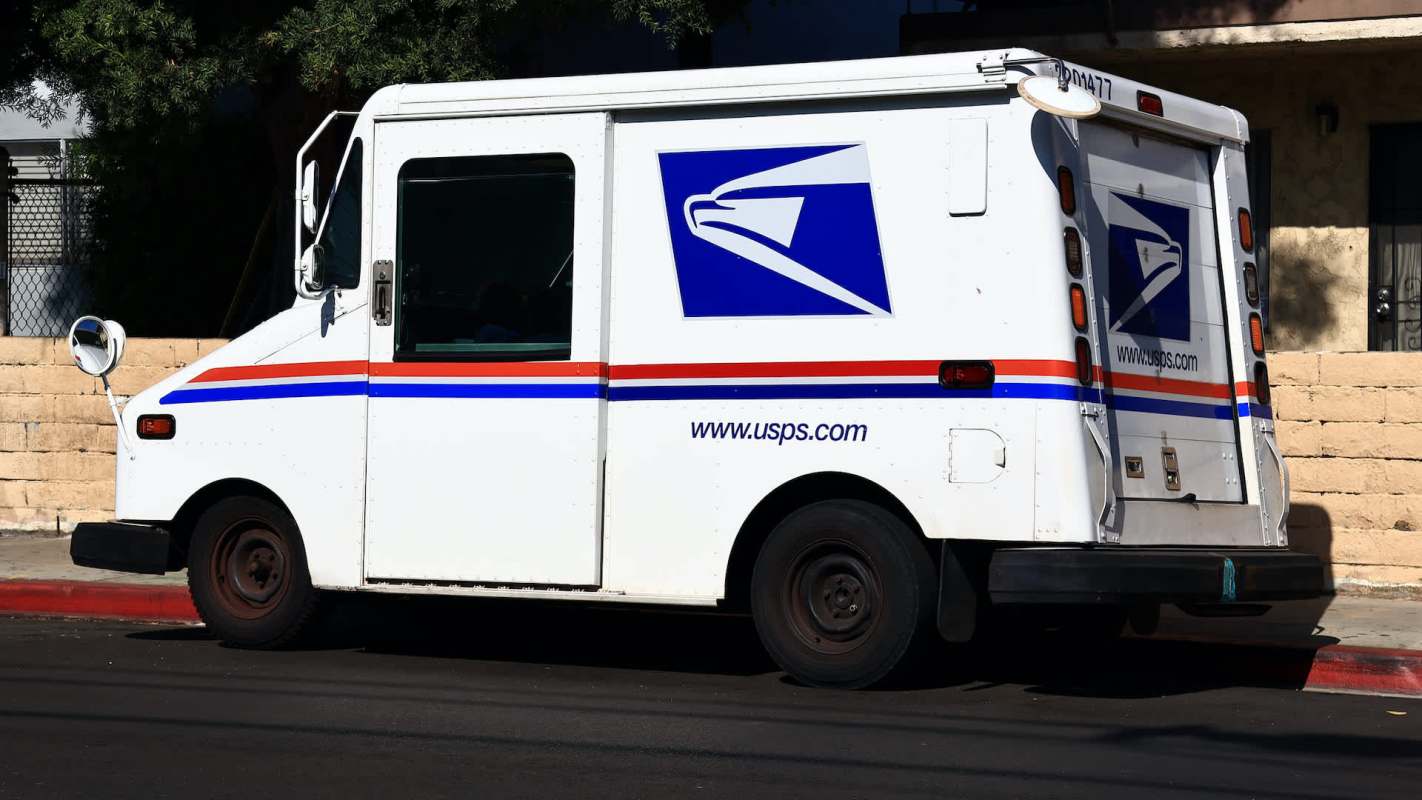
Texas has 18,153 USPS delivery vehicles — 10,337 still don't have air conditioning, according to CBS.
"I want to see results," Carla told the news outlet. "And the only way to see results is that we have to fight."
Where can I learn more?
These stories offer more context on the heat risks and safety breakdowns affecting workers and others exposed to dangerous temperatures.
• Across Texas, a punishing heat dome raised alarms about the future of extreme summers.
• Doctors say heat stroke symptoms can escalate quickly and turn a summer emergency deadly.
• In Miami, surprising symptoms from climate change are showing up in patients during dangerous heat.

Get TCD's free newsletters for easy tips, smart advice, and a chance to earn $5,000 toward home upgrades. To see more stories like this one, change your Google preferences here.






