


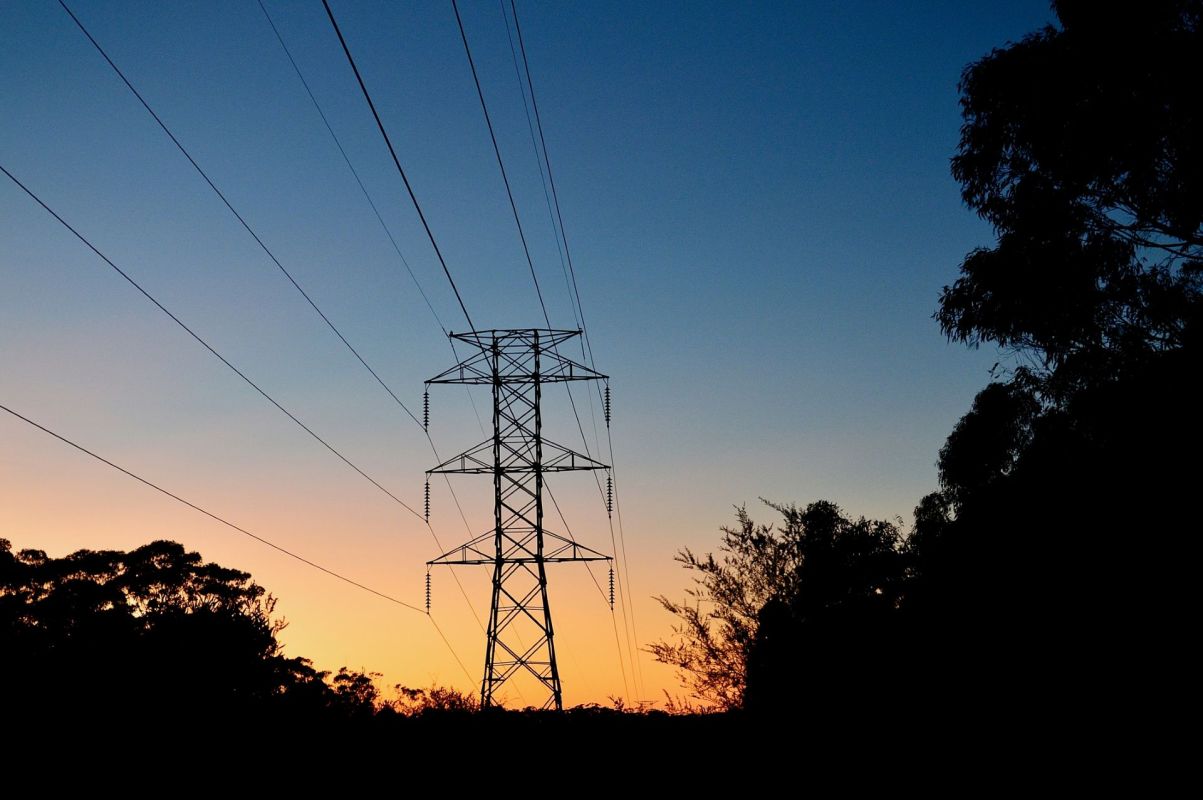
In Cuba's Guantánamo province, residents are being warned that electricity access may be limited to just two hours a day, a severe cut that would leave many homes without power for as many as 22 hours a day.
Officials shared the restriction without offering much else; no timeline for when conditions might improve, no daily timetable, and no indication of which hours service would actually be available.
Here's what to know
According to CubaHeadlines, the state-run Guantánamo Electric Company said in a Facebook post that the province's deepening power shortage will cap service at roughly two hours per customer each day.
"Due to the challenging energy situation the country is facing, there are also limitations in the province, which will impact the service to customers, allowing for no more than two hours of service a day," the company wrote.
Electricity would be available for only about 8% of a full day. During that brief period, families could handle essentials such as cooking with electric appliances, pumping water, charging phones, and using fans or other basic devices.
No service hours were announced, and there was no timetable broken down by circuit or municipality. The company did not clarify whether any customers would be exempt.
TCD Picks » Quince Spotlight
💡These best-sellers from Quince deliver affordable, sustainable luxury for all




More background
With no published schedule for Guantánamo's municipalities or circuits, residents may find it difficult to organize refrigeration, meals, water storage, and device charging even around the limited two-hour supply.
For families in Guantánamo who do not have generators, solar setups, or backup stations, going without power for most of the day makes it much harder to survive.
Guantánamo's cutback comes amid worsening blackouts in other parts of Cuba, where electric companies have said they are struggling to maintain standard rotation schedules, suggesting the province's two-hour limit reflects a broader national supply crisis.
What can be done?
Aside from telling residents to watch its official channels for updates, the Guantánamo Electric Company provided little practical guidance, leaving those outlets as the main source of information while no restoration date or detailed schedule has been given. Residents are having to squeeze critical chores into whatever electricity window they receive.
Generators, solar systems, and backup power stations may help soften the impact of outages, but households without those alternatives face the greatest hardship when the grid is down.

Get TCD's free newsletters for easy tips, smart advice, and a chance to earn $5,000 toward home upgrades. To see more stories like this one, change your Google preferences here.






