


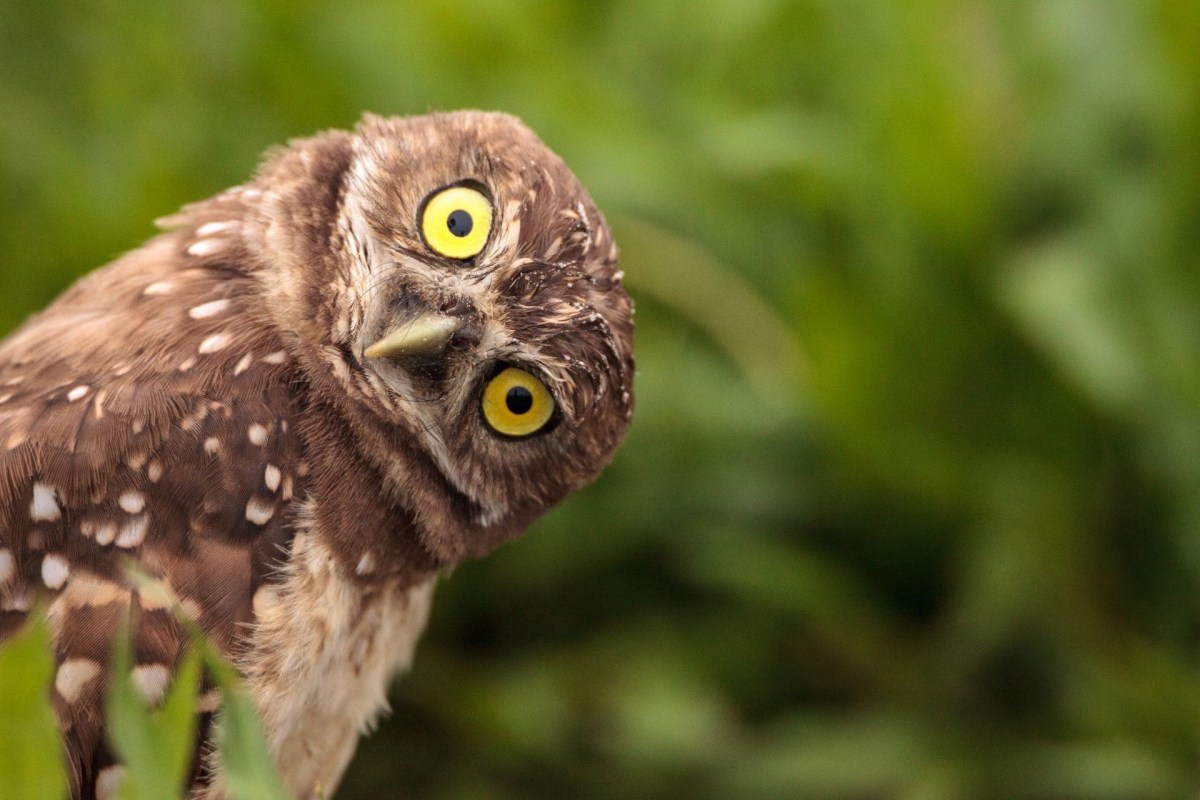
A glue trap in Fort Myers, Florida, left a burrowing owl unable to move after the adhesive stuck fast to its feet, wings, and chest.
The bird was taken to a wildlife rehabilitation center in order to safely free it from the trap.
Here's what to know
After being found stuck to a glue trap on September 16, the adult owl was brought to the Clinic for the Rehabilitation of Wildlife on Sanibel Island, according to WINK News.
Dr. Hunter Ferchaw, a CROW veterinary intern, told the outlet that "We were fortunate this owl was found quickly and brought to us before it suffered serious injuries."
Ferchaw added to WINK, "The glue was so strong that the owl was unable to free itself and, in its attempts to do so, it had gotten not only its feet but also its wings and chest stuck as well. Glue traps don't discriminate, and this case is a powerful reminder that they can also put the wildlife that naturally helps control insects and rodents at risk."
Glue traps can be especially dangerous for ensnared animals because they may dehydrate themselves as they struggle to get free.
TCD Picks » Quince Spotlight
💡These best-sellers from Quince deliver affordable, sustainable luxury for all




To free the burrowing owl, CROW veterinary staff sedated the bird and applied an adhesive-removal spray. After that, staff bathed it in warm water with dish soap and even used peanut butter to work more glue out of its feathers, per WINK.
When residue remained, the CROW team switched to chinchilla dust so the impacted feathers wouldn't stick together.
Thankfully, despite the amount of glue stuck to the bird, it suffered no major injuries and, according to WINK, was released near where it was found nine days later.
Amber Strassler, a Certified Veterinary Technician at CROW, explained to the outlet that, "We ask that the public refrain from attempting to remove an animal from a glue trap on their own," adding, "We recommend covering any exposed parts of the glue trap with paper and keeping the animal in a quiet, dark box until it can be transported to your nearest wildlife rehabilitation center."

Get TCD's free newsletters for easy tips, smart advice, and a chance to earn $5,000 toward home upgrades. To see more stories like this one, change your Google preferences here.







