


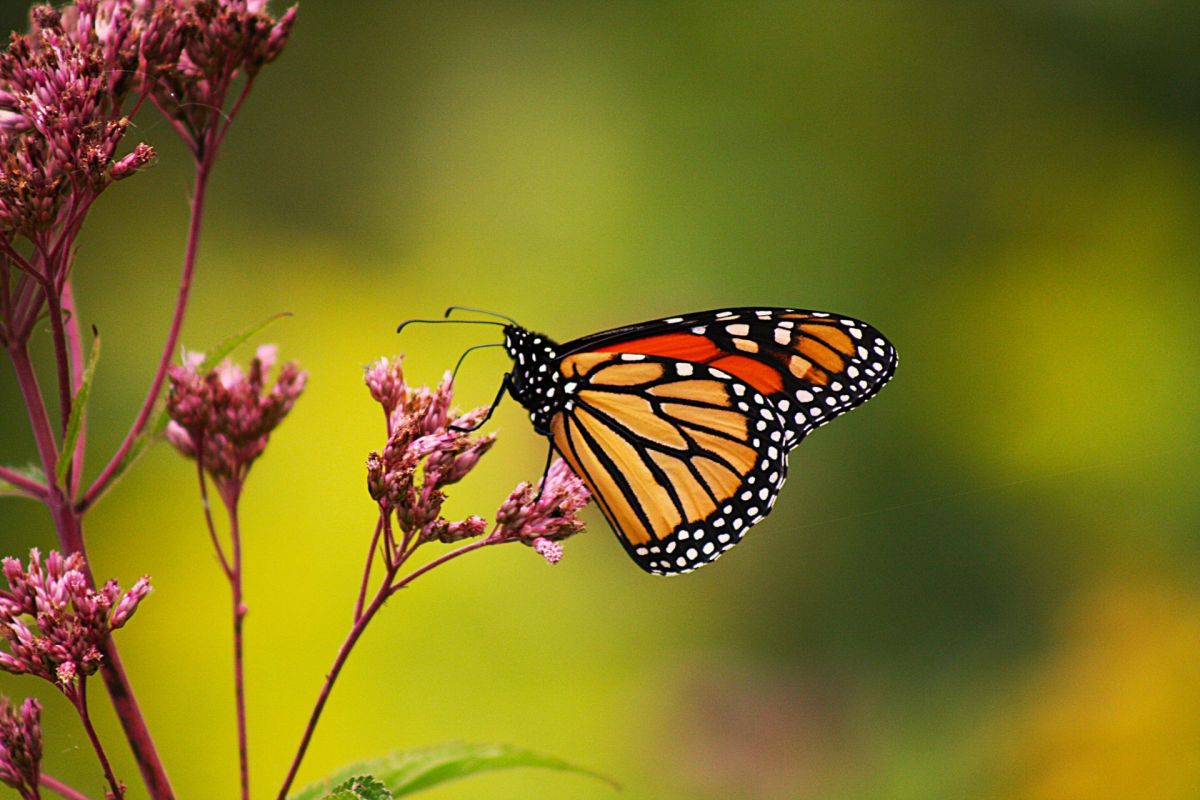
Scientists say butterfly numbers in the United States are falling sharply, raising nationwide concerns about ecosystem health.
Their absence matters beyond aesthetics, because dwindling butterfly sightings can point to broader ecological problems in the systems people depend on daily.
Here's what to know
A YouTube video from EcoBits cites research showing that butterfly populations dropped 22% between 2000 and 2020. This trend is not limited to one region or a few especially delicate species; it is showing up across the country, including among butterflies people tend to see as common and hardy.
Morgan, a butterfly expert at the Daniel Stowe Conservancy, explained that butterflies are essential to keep ecosystems functioning. "[They] fulfill a lot of different roles," she added. They move pollen between plants "so that our flowers and our other plants can keep growing," feed other wildlife, and signal quickly when environmental conditions begin to change.
Some flowers depend especially heavily on butterflies. The video cited mock vervains, or glandularia, found across much of the U.S. that rely almost entirely on butterflies for pollination. It also pointed to flame azaleas, native to the Appalachian Mountains, as another plant that benefits from healthy butterfly populations.
Butterflies often respond quickly to habitat changes. Their rapid life cycles and constant movement among nearby flower patches mean population changes can appear quickly, making them an early warning sign before environmental damage worsens.
TCD Picks » Quince Spotlight
💡These best-sellers from Quince deliver affordable, sustainable luxury for all




More background
The video cited research from biologist Cheryl Schultz showing that coastal California's wintering monarch population fell from more than 10 million in the 1980s to about 300,000 in 2017.
Dry conditions can contribute to this decline, hurting butterflies before they even emerge. Eggs die at higher rates when conditions are dry, and food is stressed, meaning drought can wipe out future generations before they hatch.
Researchers are also documenting climate-related effects on butterfly development, including a 2017 Rutgers University study on the painted lady butterfly that found warmer conditions during the chrysalis stage led to smaller, stunted adults.
Declining butterfly populations ripple through everyday landscapes. The video said caterpillars are a primary food source for many U.S. songbirds, so fewer butterflies can also mean less food for birds. When plants that depend on butterfly pollination struggle, communities can also lose native biodiversity that helps keep landscapes healthy and their ecosystem services strong.
But rather than a single cause, the decline of butterflies in the U.S. reflects many pressures: habitat fragmentation, deforestation, rising temperatures, drier conditions, pesticides, and the spread of lawn monocultures that replace native host and nectar plants.
What can be done?
According to the video, the North American Butterfly Association is working to prevent habitat destruction and acquire land to create additional butterfly habitat.
Morgan encouraged individuals to be "really cognizant of what chemicals and materials you are using outdoors and indoors." She warned that pesticides don't always stay where they are applied and can move through the food chain or drift into places people never intended them to reach.
She also recommended identifying which butterfly species live nearby, then planting what they need at different life stages, such as host plants for eggs and caterpillars and nectar plants for adults. For example, milkweed is crucial for monarchs, while fennel can help support some swallowtail species.
The video also suggested starting a butterfly garden with three host plants for caterpillars and three nectar sources, ideally native to the area. That kind of yard can reduce reliance on chemical treatments and water-intensive lawns while giving butterfly populations a better chance to recover.
As Morgan warned, "Year to year, you can see regular fluctuations. That's not abnormal. But when you are looking at a decade, two decades or more of data and you're seeing a decline, typically there's a trend there."
Where can I learn more?
For more on what's driving butterfly losses and what those declines can signal, start with these stories.
• Across the United States, insecticide use is driving dismal butterfly losses with unintended ecological consequences.
• In the United States, federal monarch protections could affect millions of landowners.
• Across North America, monarchs are now endangered and need more habitat and chemical-free spaces.
• Across monarch flyways, warmer temperatures are disrupting migration and increasing mortality risks.
• In the Ozarks, about half the species of birds and butterflies are declining.

Get TCD's free newsletters for easy tips, smart advice, and a chance to earn $5,000 toward home upgrades. To see more stories like this one, change your Google preferences here.






