


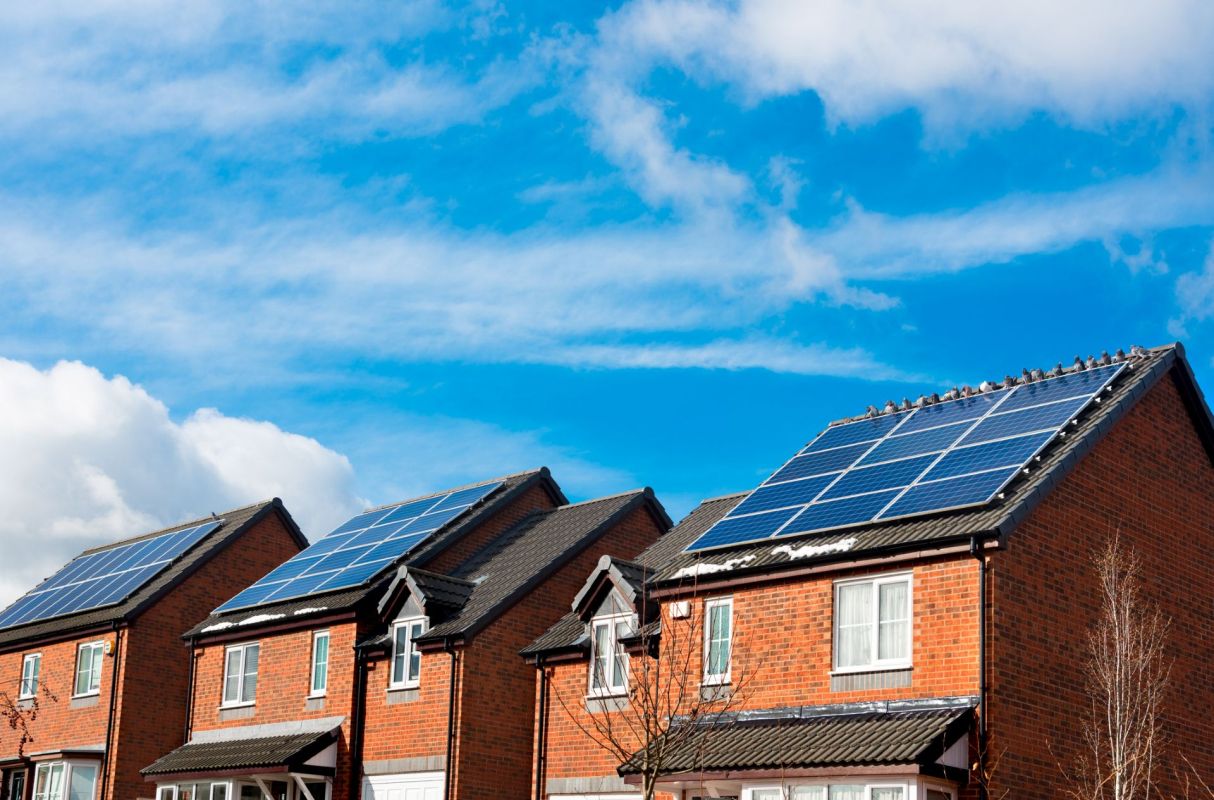
One U.K. solar owner said this October has been so sunny that their panels nearly matched a typical full month's output in the first two weeks.
The post on r/SolarUK quickly became a crowdsourced check-in, with owners comparing array sizes, roof orientations, and weather conditions across the UK.
Here's what to know
In the Reddit thread, the original poster wrote, "The last two years my system hasn't generated more than 230kwh over the whole of the month, yet here we are halfway through and I'm already at 200!" The response underscored how dynamic autumn solar production can be.
One commenter with a 5.665-kWp system said their panels generated 207 kWh, while another said a 14-panel setup with only five south-facing panels generated 133 kWh.
Crushed by your bills? See instant solar savings from vetted installers in just a few clicks With energy prices through the roof, there's never been a better time to go solar — and EasyHome can help you find the best prices from the best installers in your area. EasyHome takes the guesswork and headaches out of energy upgrades by showing you estimated savings from a network of vetted local partners. To get started, just enter your ZIP and share a few details about your home — seeing your estimate is really that easy. |

For households seeking long-term savings, numbers like this show how solar can be one of the best ways to lower energy costs. If you're weighing an installation, EnergySage can help you get free solar installation estimates and compare quotes.
More background
As several commenters noted, location and weather matter for solar production. "My output dropped a lot in the hot weather - panels really don't like getting hot!" one said. Another shared that a "dark winter's day" sharply reduced performance.
"It has been raining for weeks," a Scotland-based Reddit user added.
Still, strong summer production can offset the weaker months, making solar installation a net positive overall. "It varies, but July this year was nuts at 678kWh," one person remarked.
Ultimately, a full-year review is a better way to judge a system.
What can be done?
Other factors impacting production include array size and roof direction. If you're shopping for solar panels, EnergySage's free tools let homeowners compare competitive bids from local installers without sharing contact information unless they choose to proceed. With EnergySage's help, the average person can save up to $10,000 on solar purchases and installations.
EnergySage's solar map shows the average cost of a home solar panel system by state, along with details on solar panel incentives for each state, helping homeowners get the best price for rooftop solar panels and access available incentives.
Adding battery storage to a solar setup is also one of the best ways to protect your home during outages, save money on energy, and go off-grid. Homeowners can explore EnergySage for information about home battery storage options, including competitive installation estimates.
More From EnergySage
💡Go deep on the latest news and trends shaping the residential solar landscape


Where can I learn more?
These stories dig more into how rooftop solar performs in colder months, what homeowners actually save, and how quickly installations are growing.
• Solar panels can still work in winter when daylight is scarce.
• In the UK, record rooftop solar growth followed policy changes that made installations easier.
• As utility prices rise, homeowners say their systems actually save more than skeptics expect.
• Homeowners running the numbers found rooftop solar can pay back in savings over time.

Get TCD's free newsletters for easy tips, smart advice, and a chance to earn $5,000 toward home upgrades. To see more stories like this one, change your Google preferences here.






