


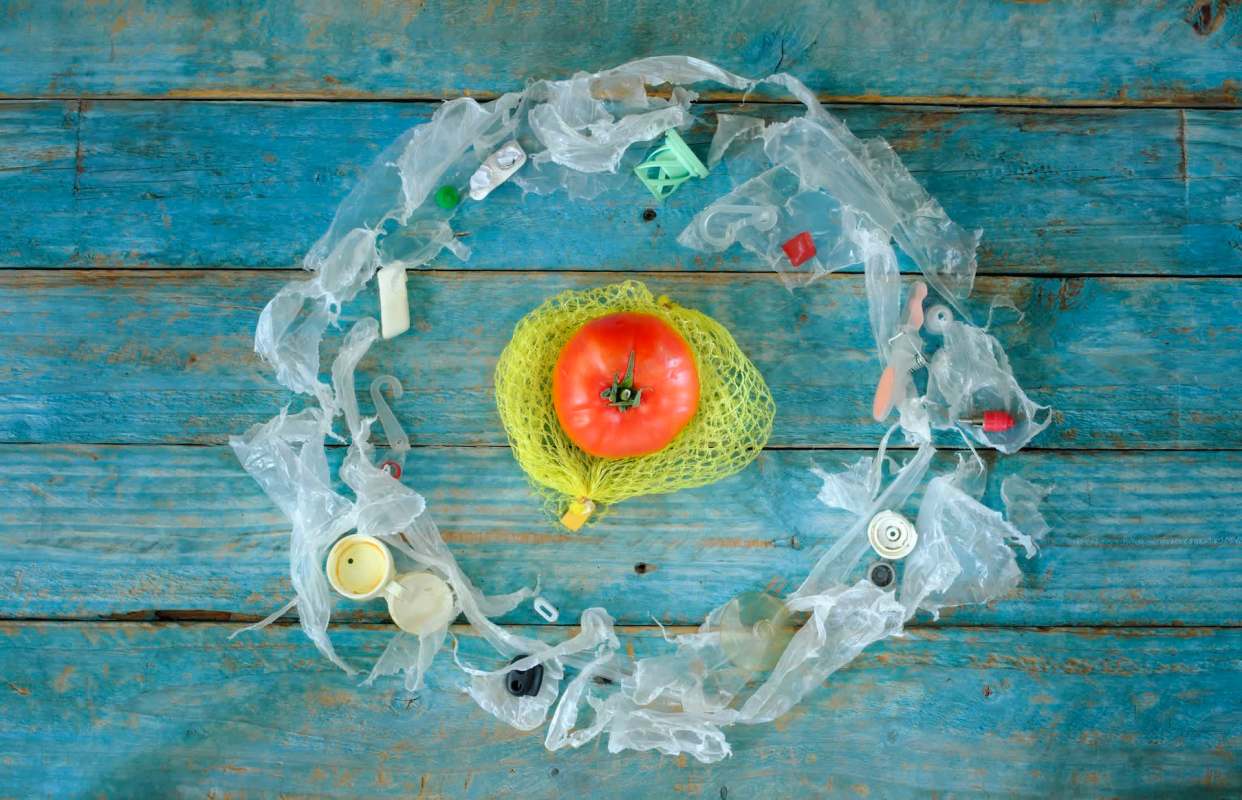
Microplastics are showing up across much of the food supply, but that does not mean people are consuming a credit card's worth of plastic every week.
That viral comparison fell apart when researchers looked at how much those particles weigh.
Here's what to know
In a YouTube short, Justin Pack pointed to a 2024 study that found microplastics in 88% of tested samples, including beef, chicken and seafood as well as tofu and other plant-based foods.
Pack also highlighted bottled water, citing a study that found an average of 240,000 micro- and nanoplastic particles per liter.
But Pack said counting particles is different from measuring them by weight. Because vast numbers of tiny fragments can still weigh less than one visible plastic piece, dramatic comparisons can give a misleading sense of what research shows.
That difference comes into focus when people repeat the "eating a credit card a week" claim. Pack referred to one model that estimated adults ingest roughly 0.2 milligrams of microplastics per year, which he said is well under 1% of a 5-gram credit card, though research from 2021 showed that humans ingest (through diet and beverages as well as inhalation) from 15 to 250 grams of microplastics per person per year.
TCD Picks » Quince Spotlight
💡These best-sellers from Quince deliver affordable, sustainable luxury for all




More background
In Pack's telling, the credit-card comparison is misleading because it treats two separate concepts, particle count and weight, as if they were the same.
His takeaway is that plastic exposure may be common across everyday foods and beverages but that estimates of how much people actually consume can look very different depending on the quantification method used.
What can be done?
Citing the bottled water study, Pack called the product "one of the worst" vehicles for human consumption of microplastics.
He also cautioned against flashy claims that flatten a complicated measurement issue and cause panic.
Where can I learn more?
If you want a fuller picture, these stories dig into where microplastics in food and drinks are coming from and what that exposure could mean.
• A new estimate says plastic packaging sheds 1,000 tons of microplastics into food and drinks each year.
• Scientists say certain probiotics could counter different toxins, including microplastics moving through gastrointestinal systems.
• Microplastics are showing up in human blood, lungs, placentas, and more.
• People who stopped drinking from plastic bottles saw their blood pressure drop within weeks.
• Parents are swapping baby bottles after infants were found to ingest 1.6 million particles daily.

Get TCD's free newsletters for easy tips, smart advice, and a chance to earn $5,000 toward home upgrades. To see more stories like this one, change your Google preferences here.






