


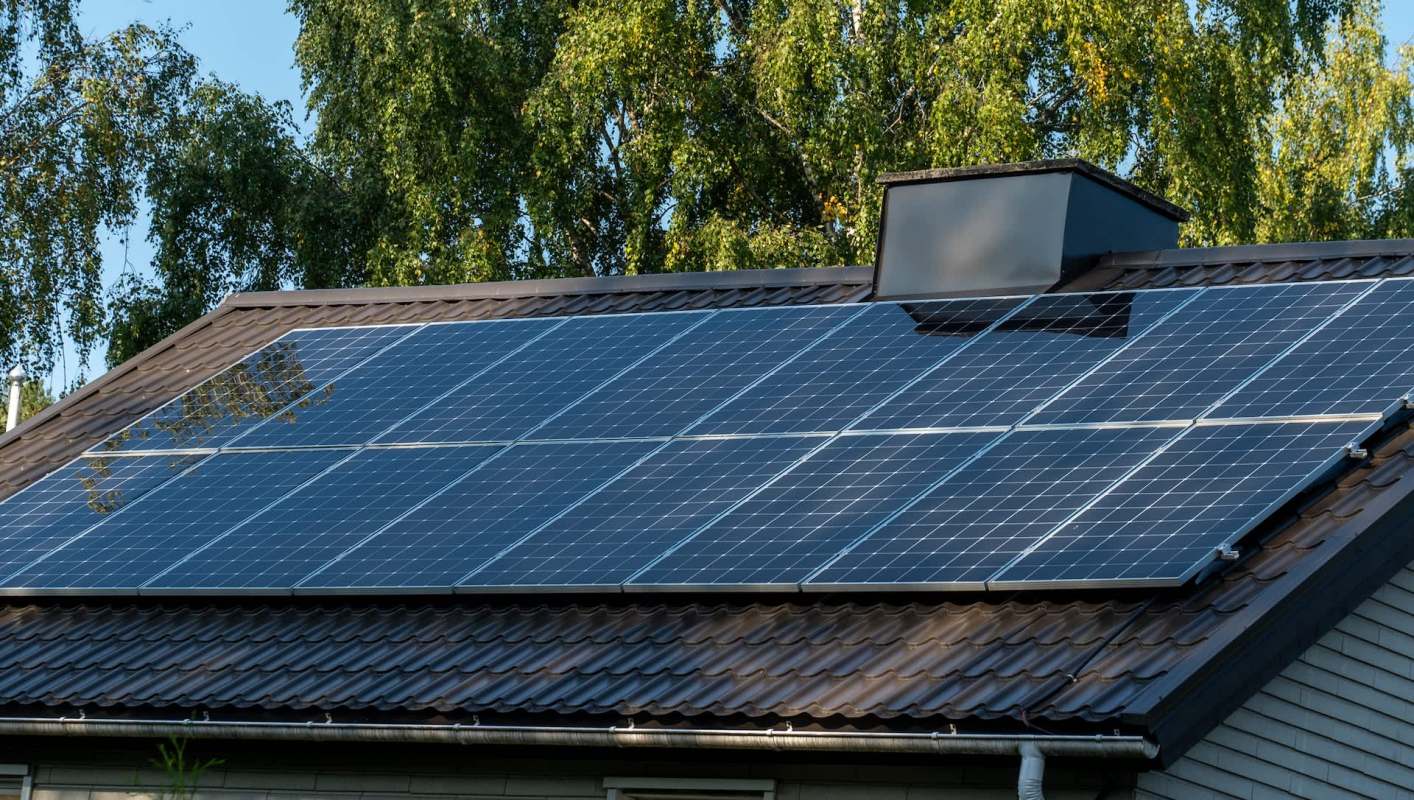
A Salt Lake City homeowner who wanted to build a larger solar-and-battery setup before possible tariff-based price hikes took effect turned to the internet for advice.
Here's what to know
In a Reddit thread on r/solar, the Utah resident outlined the scale of the project they had in mind: more than 2,000 watts of panels, an inverter of about 5,000 watts, and 10-20 kW of battery storage.
Rather than power the whole house, they said the system would mainly support a window AC unit in summer and under-rug heaters in winter, taking some pressure off a mini-split that, as they wrote, "struggles when is under 15f."
They also emphasized that the project would stay separate from the home's existing electrical setup — they are "not planning to touch any existing wiring in the home" — and said a 10-by-20-foot shed 6 feet from both the house and neighboring properties could be part of the plan.
Crushed by your bills? See instant solar savings from vetted installers in just a few clicks With energy prices through the roof, there's never been a better time to go solar — and EasyHome can help you find the best prices from the best installers in your area. EasyHome takes the guesswork and headaches out of energy upgrades by showing you estimated savings from a network of vetted local partners. To get started, just enter your ZIP and share a few details about your home — seeing your estimate is really that easy. |

Another key factor was insurance. The homeowner's carrier said that they were fine with any legal configuration as long as the equipment was UL-listed.
Finally, the homeowner further clarified that they already had four smaller systems for overlanders and basic backup, but now they were looking at a larger house-adjacent setup that still stayed within legal limits.
What commenters said
While the comments didn't offer one unified, definitive answer, Redditors provided plenty of points for the original poster to consider. Many urged the OP to seek approval and guidance from authorities before investing time and money into any solar project.
"Before you do any actual buying/building of the system you're going to HAVE to get feedback from the city zoning / ordinances department," advised one commenter.
Despite the challenges that the OP faced, going solar remains one of the best ways to save money on home energy, especially for households trying to cut cooling and heating costs. Homeowners weighing a standard installation against a smaller DIY setup can check out EnergySage to get free solar installation estimates and compare quotes.
One recurring question among commenters was how regulators might classify different versions of the project — for example, a portable build, panels mounted on a shed, or a plug-in arrangement. Such considerations might seem minor, but they could have serious consequences for housing codes and zoning rules.
Breaking the project down into parts
As some commenters explained, breaking larger projects into smaller parts can help. Using this approach, users broke the OP's situation into three basic questions: how much solar would feed the house wiring, whether any part of the project was permanent, and whether battery charging stayed fully off-grid.
For homeowners who decide a conventional installation makes more sense, EnergySage's solar map shows the average cost of a home solar panel system by state, along with solar panel incentives for each state.
More From EnergySage
💡Go deep on the latest news and trends shaping the residential solar landscape

Together, those resources can help homeowners get the best price for rooftop solar panels and access available incentives. With EnergySage's help, the average person can save up to $10,000 on solar purchases and installations.
Adding battery storage to a solar setup is one of the best ways to protect your home during outages, save money on energy, and go off-grid. Homeowners can also explore EnergySage for information about home battery storage options, including competitive installation estimates.
Where can I learn more?
Homeowners across the country have asked many of the same questions about small-scale solar, from what's legal to what it costs.
• Across the U.S., plug-in solar panels can cut energy costs, but only one state has allowed them.
• One Wisconsin homeowner seeking clarification on HOA regulations faced resistance after proposing rooftop solar.
• In Connecticut and Virginia, lawmakers moved to speed home solar as advocates pushed cheaper power.
• In New York, residents were given the ability to hang plug-in solar panels from balconies without utility approval.
• At EnergySage, Charlie Hadlow detailed the mystery of solar panel costs facing homeowners.

Get TCD's free newsletters for easy tips, smart advice, and a chance to earn $5,000 toward home upgrades. To see more stories like this one, change your Google preferences here.






