


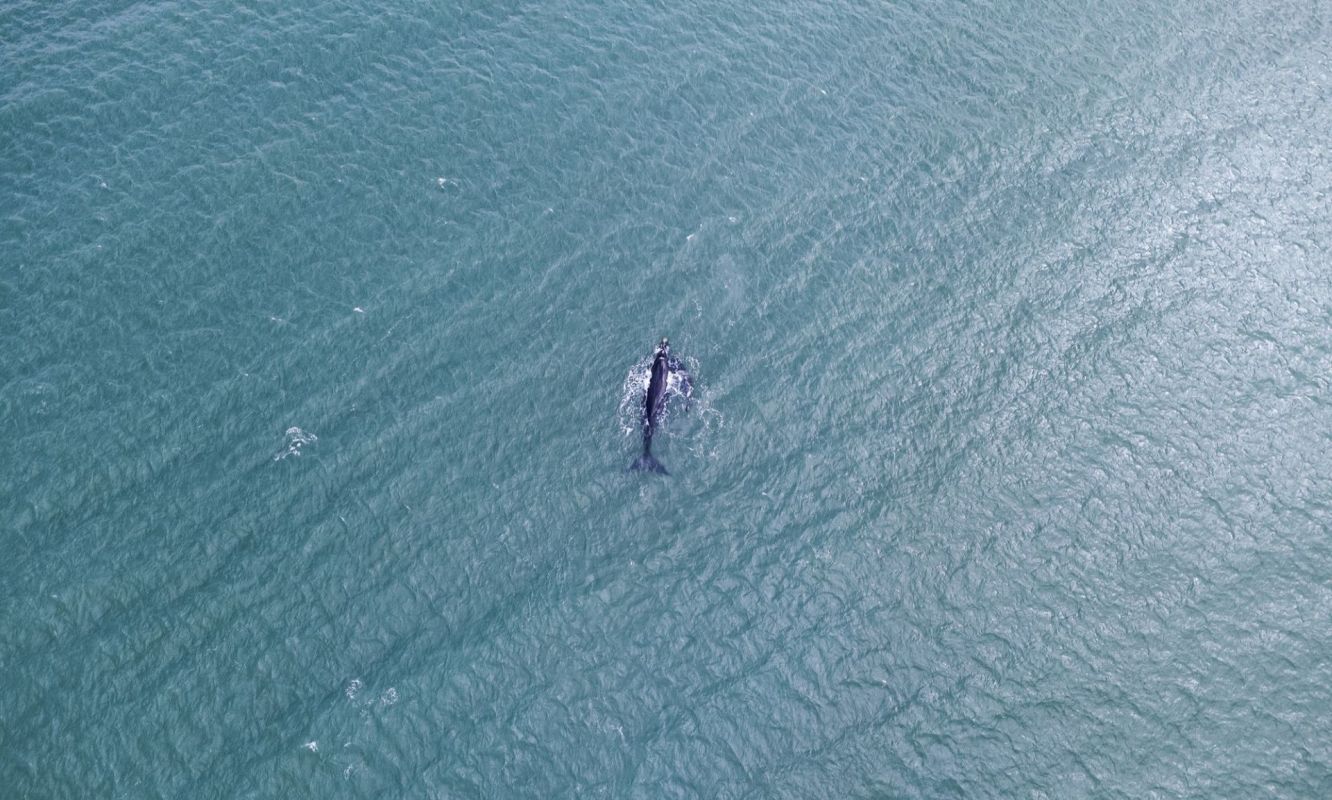
More than 300 southern right whale calves have died since June 2026 in Argentina's Península Valdés, one of the species' most important breeding grounds, far surpassing the previous record of 113 and raising urgent concern about a bacterium that could affect whales, the greater ecosystem, and nearby communities.
Here's what to know
As Live Science reported, the deaths are occurring in Chubut province during the southern right whale breeding season, which continues through December 2026. A September 2026 count by the Center for the Study of Marine Systems (CESIMAR) Marine Mammal Laboratory found 1,375 southern right whales in the area, including 409 calves, underscoring how large a share of the 2026 season's newborns the recorded deaths may represent.
Officials in Chubut province said tests on calf specimens detected Erysipelothrix rhusiopathiae, the bacterium responsible for erysipelas. Víctor Fratto, director of the Native Wildlife Rescue Program and a contributor to the whale monitoring program, said, "What those samples are showing is that the calves died from erysipelas."
Calf losses usually affect about 20% to 30% of a cohort in a normal year, with infections among the possible causes. The 2026 breeding season has moved far beyond that range and has also overtaken the 2012 total, previously the highest ever recorded for southern right whales either in the area or worldwide.
Scientists first detected E. rhusiopathiae in southern right whale calves in 2013. What remains unknown is what changed in 2026 to produce an infection event on this scale.
More background
Carla Fiorito, a researcher at CESIMAR, described E. rhusiopathiae as "a ubiquitous and opportunistic bacterium." Erysipelas can start in the skin and, in severe cases, spread through the bloodstream, harming vital organs.
TCD Picks » Quince Spotlight
💡These best-sellers from Quince deliver affordable, sustainable luxury for all




Fratto said calves may face added risk because their immune systems are still developing and because they spend more time at the surface than adults. His working hypothesis is that gull pecking wounds may provide an entry point for the bacteria.
Researchers have observed these gull attacks for decades. Ricardo Bastida, a marine biologist and professor emeritus at the National University of Mar del Plata, told Live Science that researchers first documented the behavior at Península Valdés, in the Patagonia region, in the 1970s, and that it became more common over time, reinforced by fishing activity and discarded catch that created more food sources for gulls.
Fiorito said humans can also get erysipelas, usually through breaks in the skin, and that whale carcasses and seawater used by swimmers in the area could increase exposure risk.
What's being done?
The investigation is being sped up because of the unusually high mortality. Fratto said samples were sent for analysis earlier than usual, rather than waiting until the end of 2026.
Scientists are also examining the gull theory more directly. Fratto said researchers will swab gulls to test for E. rhusiopathiae and see whether the results might support a management strategy for the species.
Diego Rodríguez, a marine biologist at the National University of Mar del Plata, said researchers also need to examine other animals in the ecosystem to understand where the bacterium is present and how it may move through the environment. He added, "It is far more likely that [the die-off event] is linked to cross-infection."
Fiorito said another line of inquiry is whether the pathogen itself has changed, including the emergence or wider spread of a more virulent strain or a different serotype. The Southern Right Whale Health Monitoring Program is expected to release the final death toll in December 2026.
As Fiorito put it, "The battle between living organisms and pathogens is constant. But for this to happen now, there must have been a shift in the balance between the agent, the host, and the environment."
Where can I learn more?
These articles provide a look at the challenges whales are facing elsewhere
• In Australia, southern right whale recovery has slowed enough to alarm scientists.
• Along the U.S. East Coast, North Atlantic right whale reproduction has fallen as entanglements persist.
• Off California, gray whale deaths are drawing scrutiny from marine wildlife experts.

Get TCD's free newsletters for easy tips, smart advice, and a chance to earn $5,000 toward home upgrades. To see more stories like this one, change your Google preferences here.






