


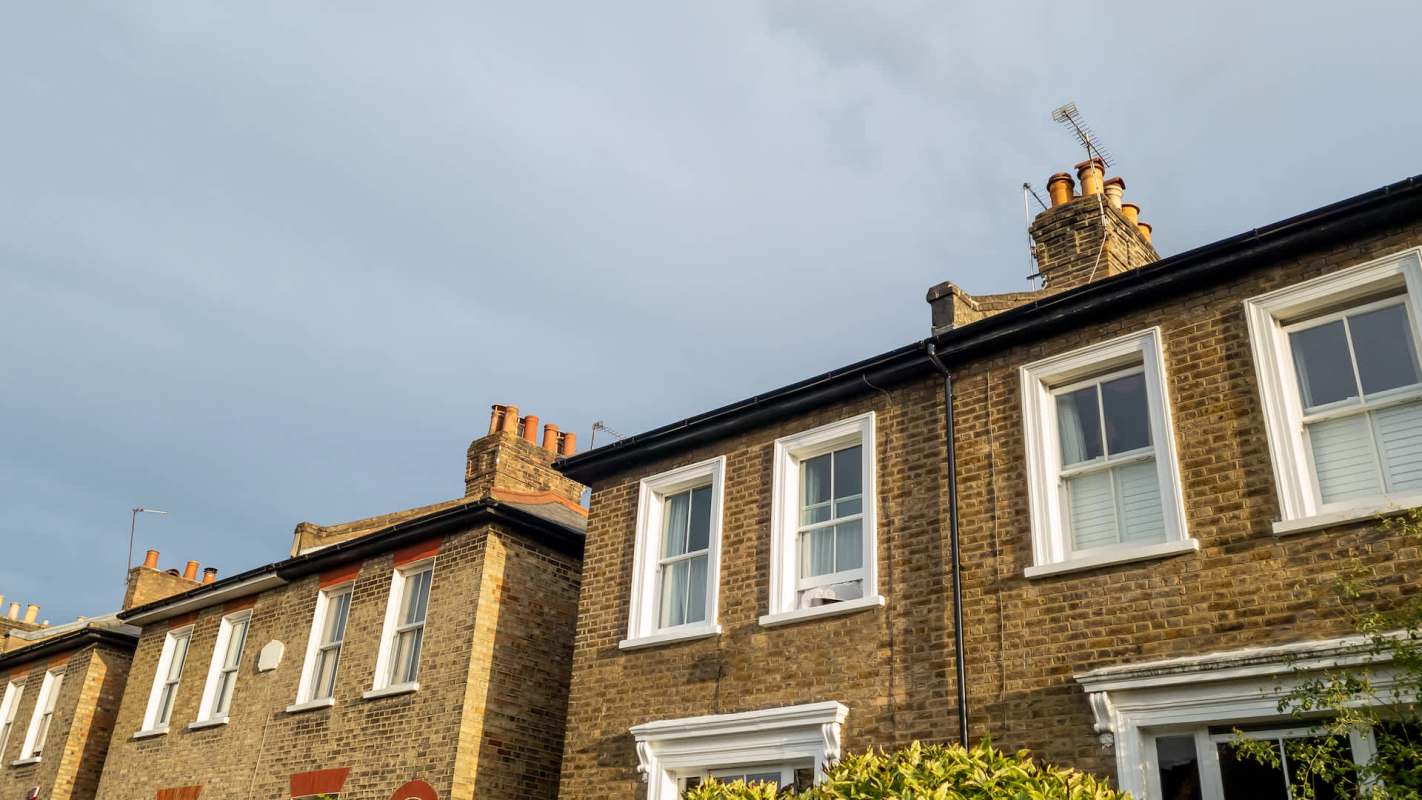
Several installers gave one U.K. homeowner with a 1930s semi-detached house the same discouraging message because they considered the property's insulation inadequate: Skip the heat pump. People replying in the r/UKHeatPumps subreddit sharply disagreed with that kind of age-based rule of thumb.
Here's what to know
The homeowner laid out the situation in a Reddit thread, as they were urged "not to bother" with a heat pump. They also said the house already has insulated cavity walls, some insulation in the loft-conversion eaves, and double glazing except for one worn-out door.
Responses in the thread focused on measured heat loss rather than the year the home was built. The original poster said one company had already surveyed the property and estimated heat loss at 10.9 kilowatts.
After seeing that number, one commenter replied, "That's a completely usable heatloss," and asked, "Did they not offer to go ahead with the install?" Another added, "Old houses with poor insulation don't make ASHP impossible. It just means they need to be larger and consequently more expensive." They said their own 18th-century home has nearly 13 kW of heat loss while an air-source heat pump still makes financial sense for them.
For homeowners getting conflicting advice like that, Palmetto can explain HVAC and heat pump options that may cut energy bills, and its Comfort Plan network can connect them with vetted installers for more efficient heating and cooling solutions.
More background
The thread included blunt pushback against the notion that a 1930s house is automatically a bad fit for a heat pump.
As one commenter put it, "Sounds like you are being told bull. If you are heating your house now then a heat pump could."
Others distinguished between whether a heat pump can work and what it may cost to fit one properly. A commenter with a listed, solid-walled Victorian terrace and partial double glazing said their heat pump "works great," while another said higher heat loss can mean higher costs.
Crushed by your bills? See instant solar savings from vetted installers in just a few clicks With energy prices through the roof, there's never been a better time to go solar — and EasyHome can help you find the best prices from the best installers in your area. EasyHome takes the guesswork and headaches out of energy upgrades by showing you estimated savings from a network of vetted local partners. To get started, just enter your ZIP and share a few details about your home — seeing your estimate is really that easy. |

Another commenter pointed to the home's existing features as the big factors to weigh. The OP replied that a conservatory might also be part of the problem.
One homeowner with what they called a "common as you like" 1930s three-bed semi said their home used about 9,500 fewer kWh than the average of the previous two gas-heated years and that annual bills fell by about £350 (about $465).
What can be done?
Rather than relying on broad assumptions, commenters repeatedly said the first step should be a proper heat-loss calculation.
Instead of rejecting the idea outright, commenters suggested specific improvements, like checking the loft insulation, ensuring the loft conversion meets building-regs insulation standards, replacing the remaining single-glazed door, and factoring in any heat loss from the conservatory.
Several also said insulation still matters even when a heat pump is already workable, because it can reduce radiator size and trim running costs.
For homeowners who want help comparing options before committing, Palmetto's Comfort Plan includes $0-down options that can cut heating and cooling costs by up to 50% and include 12 years of free maintenance.
Homeowners can pair solar panels with electric appliances, including efficient HVACs, to drive utility costs even lower, and EnergySage can help homeowners save up to $10,000 on solar installations by comparing options for their home and budget.
Where can I learn more?
Heat pump myths fall apart in practice when homeowners get more information and expert opinions.
• A 100-year-old renovation became a great myth-busting project after proving heat pump skeptics wrong.
• HVAC technicians say we've entered a new age as modern heat pumps overturn old assumptions.
• An EnergySage adviser showed what people are getting wrong about super-efficient heat pumps.
• Homeowners could cut utility costs after common HVAC myths discredited winter heat-pump performance.

Get TCD's free newsletters for easy tips, smart advice, and a chance to earn $5,000 toward home upgrades. To see more stories like this one, change your Google preferences here.






