


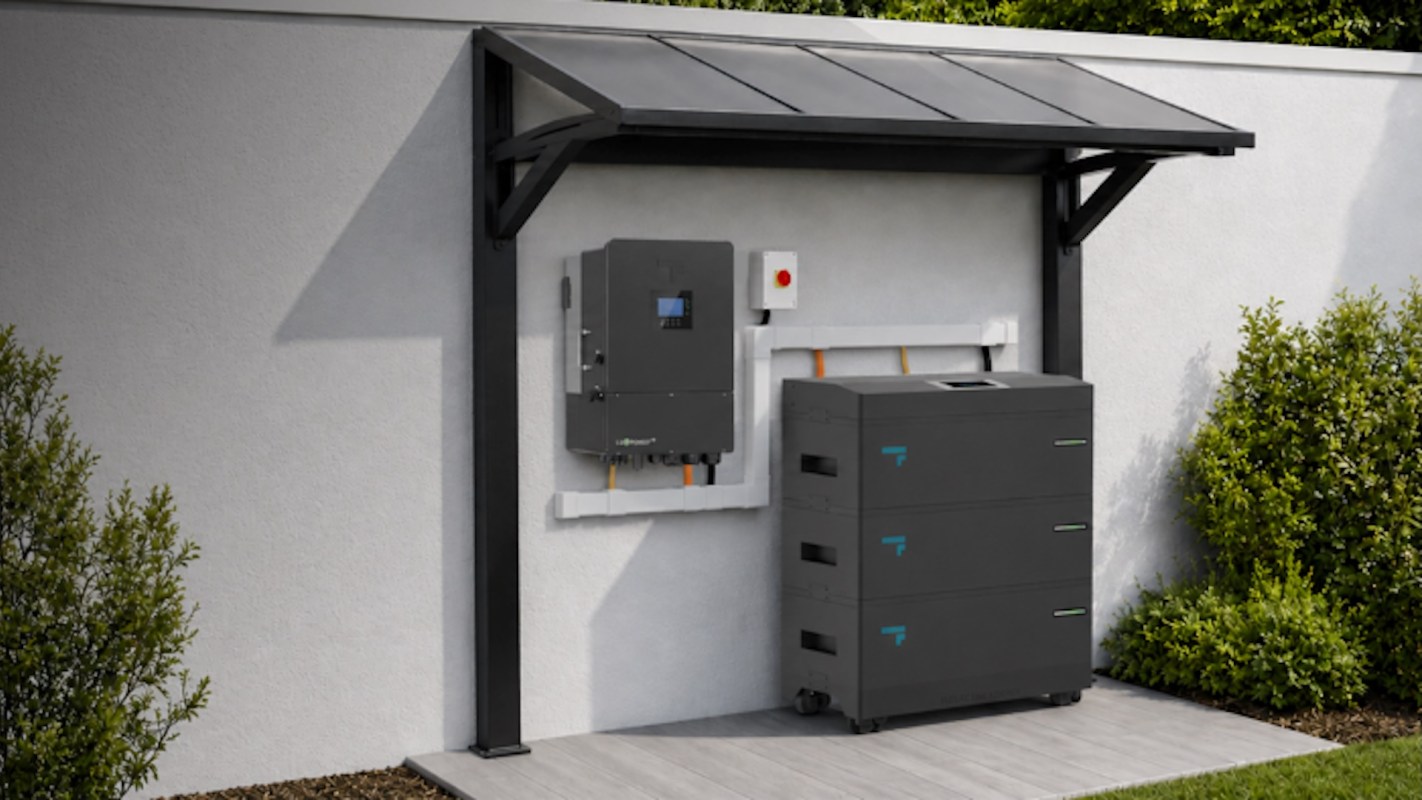
A British homeowner's question about winter heating options sparked a detailed discussion as they prepared to add a Fogstar home battery. Solar panels were not part of the plan. Instead, the setup involved a battery, a 6-kilowatt inverter, and a tariff with cheaper overnight electricity.
Here's what to know
In Reddit's r/SolarUK community, the poster explained that they were on Intelligent Octopus Go and were considering charging the battery overnight, then using the stored electricity to reduce gas heating.
They wrote, "I'm looking at ways I can heat the house using the battery (I'm getting a 6KW inverter), rather than using my gas central heating."
At least one commenter said the numbers looked promising at first glance. "With 6.6 p/kwh EDF EV night tariff, it looks about 25% cheaper kwh-wise than using gas," the user wrote, adding that "a couple of electric heaters here and there will do."
Even so, multiple replies argued that basic electric heaters would not be the most efficient way to take advantage of cheaper off-peak power.
Many commenters instead recommended AC systems that can also provide heat — effectively air-to-air heat pumps — because they can produce more warmth from the same amount of electricity than plug-in resistance heaters.
That is also where companies such as Palmetto come into the conversation for homeowners weighing next steps. Palmetto can help homeowners understand their HVAC options and lower energy bills with newer, more efficient HVAC systems and heat pumps, and its Comfort Plan network can connect customers with vetted installers for efficient heating and cooling solutions.
More background
At the center of the exchange was a battery-only money-saving idea: charge when overnight rates are low, then use that stored power later if the electricity price comes in below the per-kilowatt-hour cost of gas.
Crushed by your bills? See instant solar savings from vetted installers in just a few clicks With energy prices through the roof, there's never been a better time to go solar — and EasyHome can help you find the best prices from the best installers in your area. EasyHome takes the guesswork and headaches out of energy upgrades by showing you estimated savings from a network of vetted local partners. To get started, just enter your ZIP and share a few details about your home — seeing your estimate is really that easy. |

Several commenters said that comparison has to account for efficiency losses. One estimated that battery round-trip losses could eat up 10-20% of stored energy, while a boiler may already be operating at roughly 80-90% efficiency.
One commenter said direct electric heat offered "maybe some saving but not great."
People also shared examples from their own homes. One commenter said they installed AC units upstairs but still ran central heating "once in while just to make sure no pipes freeze," while another said they "rarely use the boiler for heating" and mostly keep it for hot water.
That second user said their setup had one 8-kilowatt outdoor unit and four 2.5-kilowatt indoor units and cost "under £5k in 2022" (about $6,648 at current exchange rates).
They said it compared favorably with many full heat-pump installs and also offered cooling in summer.
What can be done?
Overall, the advice leaned toward using a battery selectively instead of treating it as a full replacement for gas heating right away.
Rather than trying to match whole-home boiler output, commenters suggested focusing on occupied areas: one recommended heating only the rooms being used, and another pointed to supplementary heat in "core used rooms."
A common takeaway from the thread was that if you're going to use electricity for space heating, heat-pump-style equipment uses it better than resistance heaters.
For readers not ready to spend upfront, Palmetto's Comfort Plan includes $0-down options that can cut heating and cooling costs by up to 50% and include 12 years of free maintenance.
Homeowners can also pair solar panels with electric appliances, including efficient HVAC systems, to drive utility costs even lower. EnergySage makes it easy to compare solar options and find the best solar system and installer for a home and budget, and it can help homeowners save up to $10,000 on solar installations.
One commenter summed up the caution many others shared: "The rule of thumb is that taking electricity from the battery for direct electric heating is not a good use of it." They added, "Once you have the battery you're going to have way more telemetry to make decisions based on too."
Where can I learn more?
For a broader look at the tradeoffs discussed in the thread, these stories dig into electricity prices, home batteries, and efficient heating.
• In the UK, wind power is beating gas on cost and reshaping bills.
• Across Europe, heat pumps and rooftop solar are helping families dodge energy shocks.
• Homeowners are finding that heat pump water heaters can trim energy bills over time.
• HVAC pros warn a popular heating hack can waste money and energy.

Get TCD's free newsletters for easy tips, smart advice, and a chance to earn $5,000 toward home upgrades. To see more stories like this one, change your Google preferences here.






