


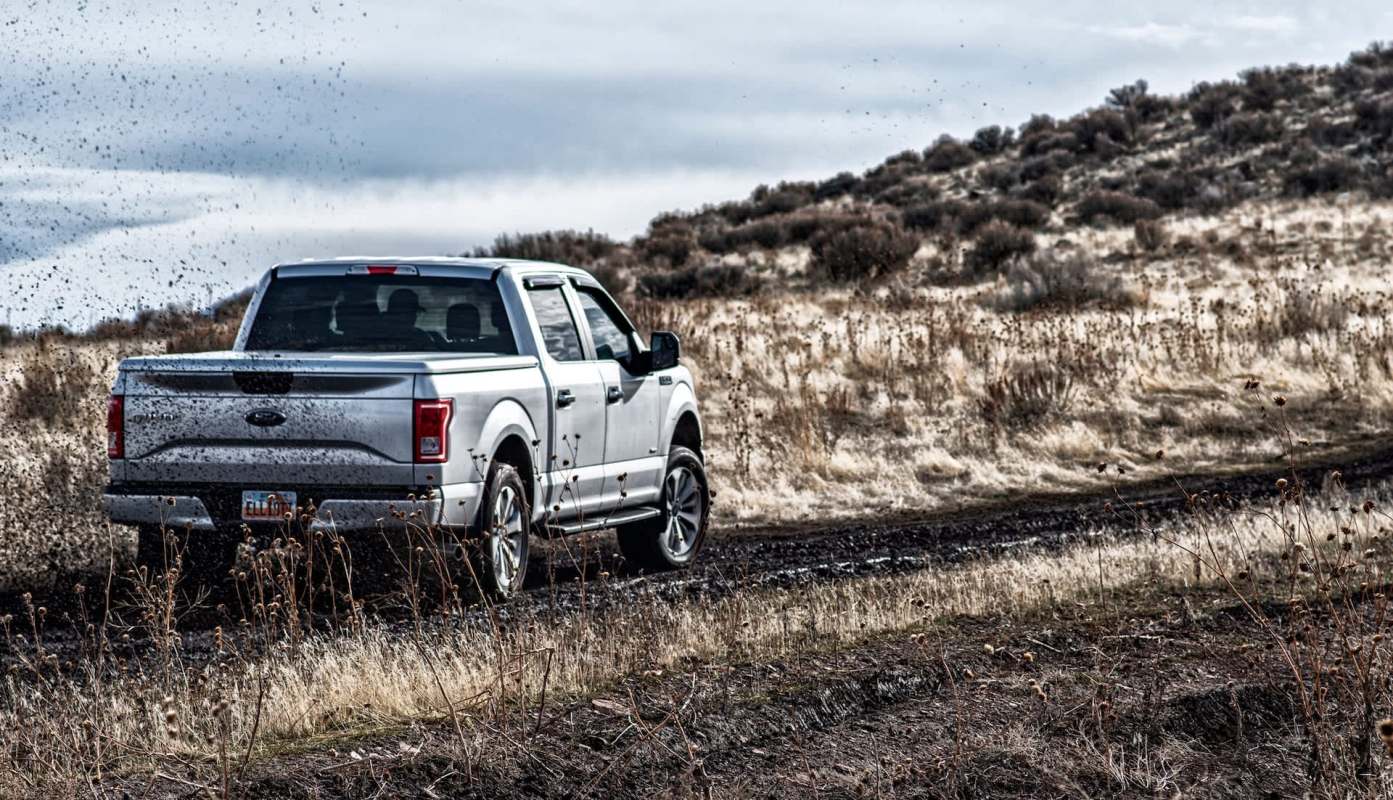
A Ford F-150 Lightning owner packed a generator before setting off on a 12,000-mile towing trip from Alaska through Canada and across the western United States — just in case.
However, they never ended up needing it, even while hauling roughly 6,000 pounds of ATVs, mountain bikes, camping gear, and the generator itself.
Here's what to know
The trip was covered by Torque News, which cited a post from the F-150 Lightning Reddit community.
"Average distance between charges while towing was 168 miles," the original poster wrote. "But there were never any close calls and the generator I brought for emergency power went unused."
Replying to a question about the trailer, the original poster said it was "about 6,000 lbs, 14ft … with two ATV's, big generator, several mountain bikes, and a bunch of camping gear," per Torque News.
The most frustrating aspect of charging
According to the OP, the most frustrating part of using a battery-electric pickup for their trip was not finding a place to charge.
TCD Picks » Quince Spotlight
💡These best-sellers from Quince deliver affordable, sustainable luxury for all




"Worst part of the frequency of charging was unhooking and rehooking the trailer," they wrote.
They also noted, "Never saw one pullthrough...would've LOVED it though," pointing to the limits of charging station design for people hauling campers, boats, work equipment, or other gear.
When it comes to battery range, trailer weight alone does not determine towing efficiency. Mass and aerodynamics both play a role in determining energy use, explaining why one 6,000-pound trailer may perform very differently from another on the highway, particularly on longer trips.
The owner also used the Lightning as their primary work truck and said it was "great having a vehicle I feel safe and comfortable in."
Recommendations for a long trip in an EV
In the post, the OP offered their advice on how to approach travel by EV.
"The morning of any travel day, just scout ahead using your favorite satellite maps," they wrote, per Torque News. "Try to find the spots that are favorable for your comfort level AND pick your ideal charger/port (and a backup). It's helped a ton knowing exactly where I was going at all times."
For their trip, the OP first mapped 500-to-1,000-mile stretches in PlugShare, then narrowed those down into daily charging stops. Viewing each site in advance allowed them to select locations with enough room to maneuver their rig.
As part of this screening process, the OP tried to avoid coffee shop and fast-food charging sites because they often did not have enough space for their setup, even if they detached the trailer.
The OP made clear that speed and efficiency were not their top priorities on this particular trip.
When one commenter questioned the 168-mile spacing, the OP responded, "Not really a big deal to us because it was a great chance to get out and explore the local areas or sample the local food," according to Torque News.
Where can I learn more?
As a growing number of drivers consider switching to EVs, many have questions about vehicle range and the ability to find charging stations, especially on long road trips.
• Drivers still run into myths about EVs, especially around braking, towing, and winter travel.
• Across rural America, GM-backed plans could bring a ton of EV charging to remote highways.
• Love's Travel Stops said it will deploy high-speed EV charging stations along major U.S. travel corridors.
• Back in 2022, Texas approved a plan to add 50 new charging stations along its major highways.
• GM wants EVs to power homes during blackouts, though installation costs remain a hurdle.

Get TCD's free newsletters for easy tips, smart advice, and a chance to earn $5,000 toward home upgrades. To see more stories like this one, change your Google preferences here.






