


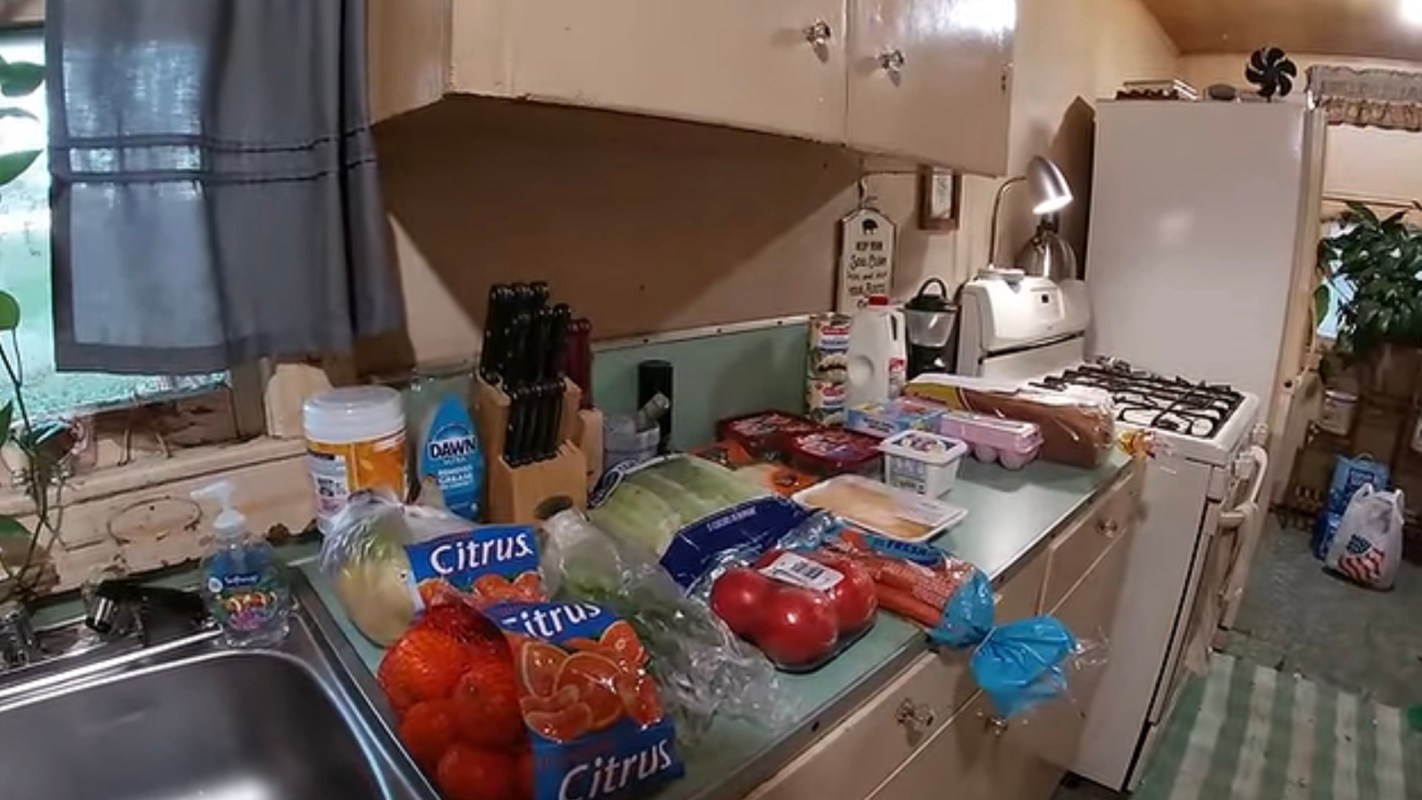
A content creator in small-town South Alabama set out to pick up just a few grocery staples at Super Foods and ended up walking away with 19 items totaling $79.31 and one especially frustrating surprise.
Here's what to know
In a YouTube video, Mr. Tom, creator of the Deep South Bama channel (@DeepSouthBama56), turned his Oct. 12 grocery trip into a line-by-line receipt review. Before taxes and added charges, the groceries came to $67.78, and the final amount reached $79.31.
He said the bill climbed because he rushed through the store instead of watching prices closely. What was meant to be a quick stop for milk, bread, and a few other basics became more than that.
He said, "I said I was just going to run in and buy a few things. That was my first mistake. My second mistake was being in a hurry and not paying attention. I was tired and just wanted to get it done and I paid the price!"
The romaine lettuce was the biggest shock. Mr. Tom said he thought the three-pack was marked at $3.31, but the receipt showed $7.10. He also said he misread the green onions, believing they were 74 cents a bunch when they were actually $1.74, so two bunches came to $3.48.
People in the comments echoed his reaction.
TCD Picks » Quince Spotlight
💡These best-sellers from Quince deliver affordable, sustainable luxury for all




One commenter wrote, "$7.10 for romaine lettuce is ridiculous. Grocery shopping is stressful now days." Others also pointed to rising grocery prices and the strain of paying for food while caring for pets and family members.
More background
The final total included more than the sticker prices. In the video, Mr. Tom said Super Foods uses what he described as a "cost plus 10%" model, which added $5.77 to the purchase. Food tax added $3.59, and tax on non-food items added another $1.17.
Not every item on the receipt seemed expensive. Bread cost $2.24, which he said was below the $3.69 to $3.99 range he remembered from earlier trips. Bananas were 35 cents per pound, totaling 75 cents for 2.14 pounds, and a dozen medium eggs only cost 75 cents.
Among the other routine purchases on the receipt were mandarins for $6.10, tomatoes for $2.31, milk for $2.68, and cat food for $5.87 — not splurges, but everyday necessities across produce, pantry basics, and pet care.
What can be done?
The creator said he plans to keep the receipt and ask the store about the romaine charge on his next visit. He also said he regretted not checking the receipt immediately after checkout, when pricing mistakes or unclear shelf labels may be easier to question.
Mr. Tom added that he is also trying to lower produce costs over time by growing some food at home, planning to trim the ends off the green onions and plant them outside, and he purchased two six-packs of vegetable starts — kale and lettuce — for $3.72 each.
His approach, he said, is to buy what still seems reasonably priced, skip what does not, and stretch what he can. Mr. Tom said he makes a three-pound bag of mandarins last by eating two a day, chose medium eggs because they were 75 cents a dozen, and noted that lower bread prices offered at least one small point of relief.
After reviewing the receipt, he said, "I should have stopped and looked that receipt right then instead of waiting till now till I got on," and later added, "Sometimes you win, sometimes you lose."
Where can I learn more?
Mr. Tom's experience reflects a broader squeeze on grocery budgets. These stories look at food inflation and supply pressures affecting produce and other everyday staples.
• Across Europe, the European Central Bank tied factors driving surging food prices to pricier groceries.
• In India, soaring prices of fruit pushed everyday shopping further out of reach.
• Across livestock regions, wildfire smoke and grocery prices became linked as costs climbed.
• In the Philippines, prices soared for commonplace vegetables as climate threats squeezed supply.
• In New Zealand, an overlooked factor driving prices left supermarket customers feeling the pain.

Get TCD's free newsletters for easy tips, smart advice, and a chance to earn $5,000 toward home upgrades. To see more stories like this one, change your Google preferences here.






