


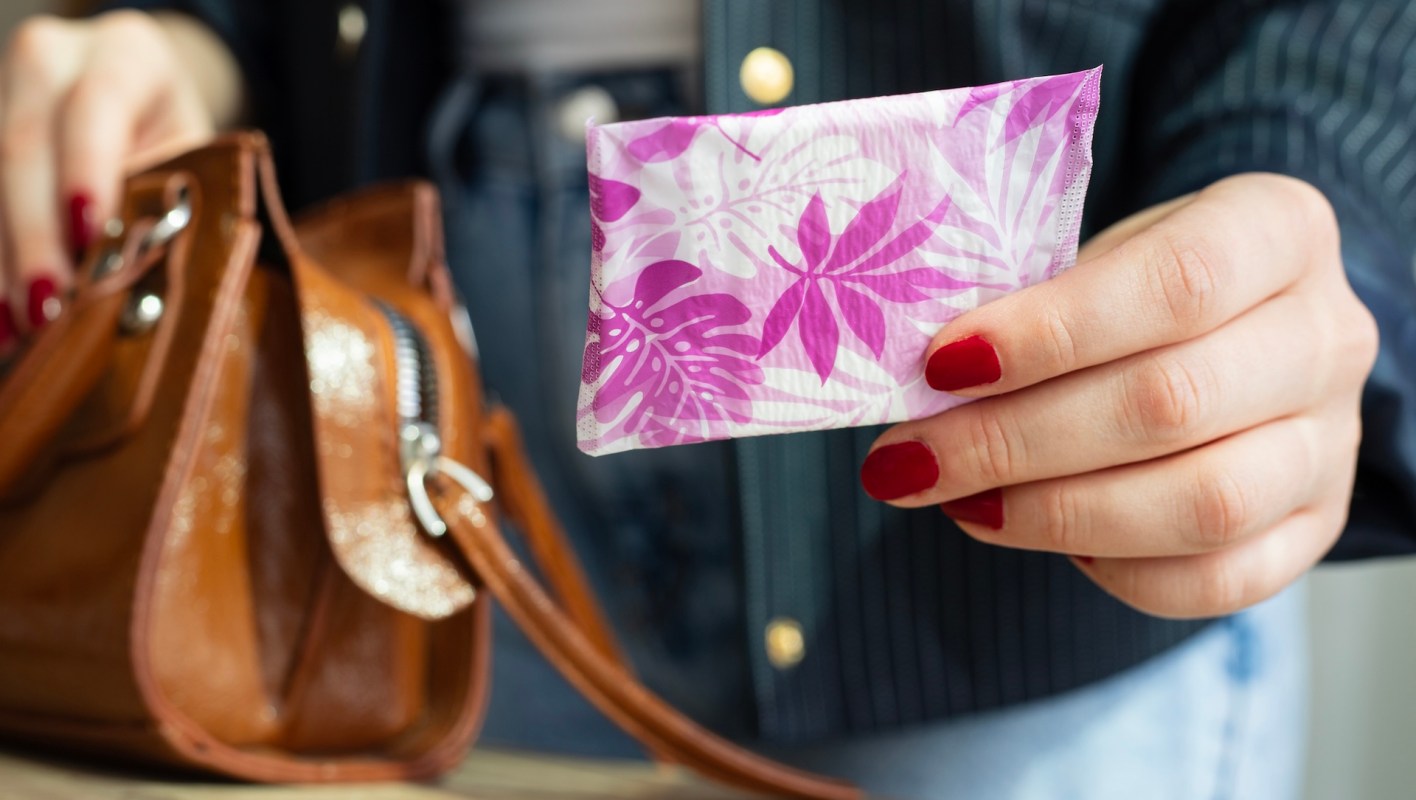
A proposed New Jersey law would ban intentionally added PFAS, or "forever chemicals," in menstrual products, including tampons, pads, cups, and period underwear. The measure would expand the state's efforts to limit PFAS exposure amid concerns about contamination in drinking water, consumer products, and industrial sites.
Here's what to know
Under Senate Bill 2266, New Jersey could bar the sale of both reusable and disposable menstrual products made with intentionally added PFAS. The measure also calls for PFAS testing on menstrual products sold in the state through laboratories working within a system overseen by the Department of Environmental Protection, according to New Jersey 101.5.
These man-made chemicals take hundreds of years to break down. Their links to hormonal and reproductive problems, liver damage, increased cancer risk, and other health issues make consumers particularly uneasy about finding them in intimate-use products.
If it is enacted, New Jersey would become the eighth state to ban PFAS in menstrual products.
More background
Outgoing Gov. Phil Murphy signed the Protecting Against Forever Chemicals Act in January 2026, requiring PFAS labeling on cookware and, by 2028, banning intentionally added PFAS in products including cosmetic products, carpets and fabrics, and food packaging.
A PFAS Water Experts analysis published in 2026 found New Jersey's drinking water quality ranked second worst in the nation, with more than 38% of residents served by public water systems that violated federal water quality standards.
TCD Picks » Quince Spotlight
💡These best-sellers from Quince deliver affordable, sustainable luxury for all




In 2025, New Jersey reached a record-breaking $2 billion settlement with the DuPont chemical company over PFAS contamination at multiple state sites, along with a separate $400 million settlement with 3M.
What's being done?
Clean Water Action Environmental Justice Organizer Cassandra Lainez said Maine and Minnesota passed similar bills and then saw 96% of menstrual products test negative for intentionally added PFAS.
The testing requirement, the proposed sales ban, and New Jersey's broader PFAS laws are aimed at keeping these chemicals out of homes and bodies before they worsen contamination problems in communities already dealing with polluted water and sites.
Lainez said, "The number of menstrual products on the shelves with PFAS while marketed as safe is alarming."
Where can I learn more?
PFAS battles over everyday products are playing out across the country as awareness heightens.
• Pennsylvania lawmakers moved toward a ban on tampons, floss, and other items made with PFAS.
• A lawsuit said Carefree sold pads with a "big health problem" tied to PFAS.
• California, Colorado, and Vermont tackled almost no federal regulation on PFAS in period products.
• Scientists detected forever chemicals in reusable menstrual cups and period underwear.
• Massachusetts lawmakers revived a sweeping ban on PFAS in cookware, toys, and more.

Get TCD's free newsletters for easy tips, smart advice, and a chance to earn $5,000 toward home upgrades. To see more stories like this one, change your Google preferences here.






