


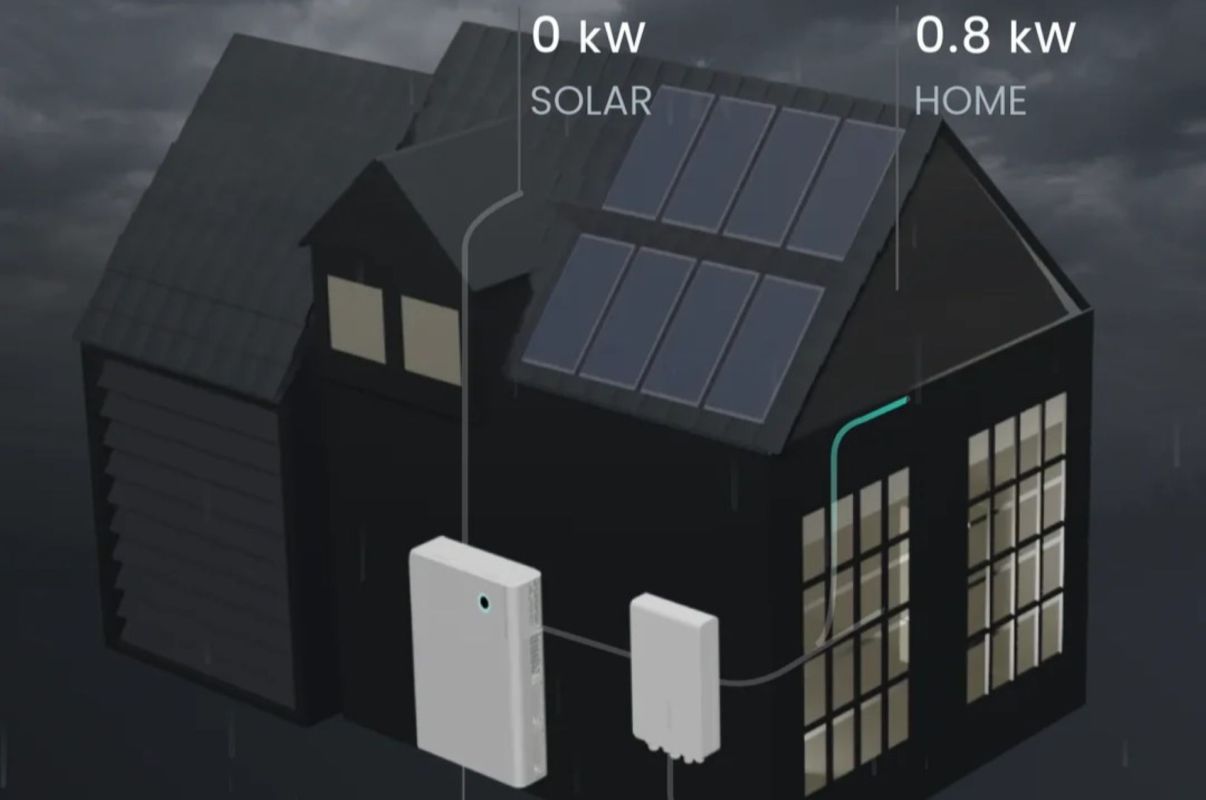
On day one with a new Sigenergy system, a U.K. homeowner realized their tariff situation could create an expensive problem. Because they were still on Flexible Octopus, any overnight charging could happen at a very high rate rather than at a lower off-peak price.
Here's what to know
Writing on r/SolarUK, the homeowner said the new installation featuring 16 south-facing panels, a 10-kW inverter, and 20 kWh of battery storage had produced "zero solar" after 6 p.m.
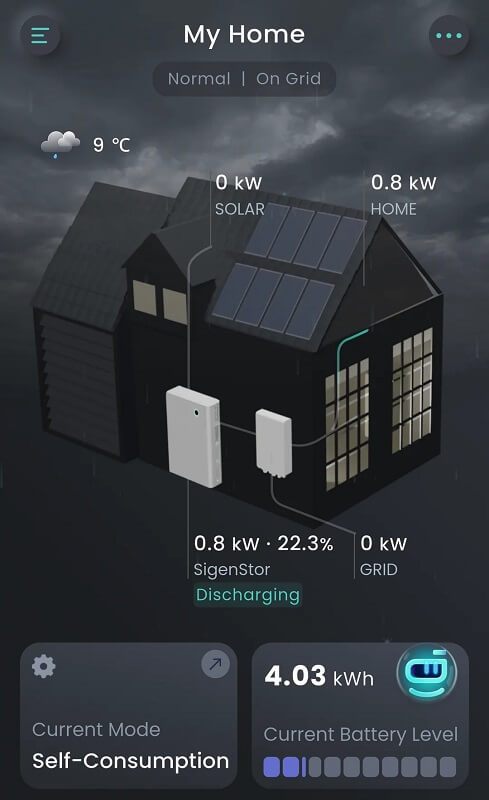
On Reddit, they admitted concern that the battery might start using grid power before the household's solar tariff paperwork was completed. They said they were still on Flexible Octopus and had been told the documents were still pending.
"But the realisation just hit me that, potentially it might start charging overnight at 25.36p/ kWh," the original poster wrote.
One commenter said the concern was justified under that tariff.
"That's exactly what it will do," a commenter reacted. "Why aren't you on a cheaper overnight tariff? On flexible Octopus its the same unit rate all the time."
For homeowners still comparing setups, EnergySage can help you explore home battery storage options, including competitive installation estimates. EnergySage has teamed up with electrification brand Qmerit to help homeowners get the best price on home battery storage solutions.
More background
Several replies emphasized that there is a difference between the house pulling electricity from the grid and the battery actively recharging. One commenter explained, "As you are in self consumption mode, when the batteries are empty (or lower limit, which sounds like 10% in your case), your load (the house) will start using the grid but it won't charge the batteries."
Crushed by your bills? See instant solar savings from vetted installers in just a few clicks With energy prices through the roof, there's never been a better time to go solar — and EasyHome can help you find the best prices from the best installers in your area. EasyHome takes the guesswork and headaches out of energy upgrades by showing you estimated savings from a network of vetted local partners. To get started, just enter your ZIP and share a few details about your home — seeing your estimate is really that easy. |

The homeowner said no solar tariff was active yet, and another new Sigenergy owner in the thread said they were already exporting electricity while "getting nothing for it!" as they waited for their own setup to be completed.
Battery storage can protect a home during outages, lower energy costs, and reduce reliance on the grid, but those benefits can depend on tariff type, battery mode, and whether export arrangements are in place.
What can be done?
The clearest recommendation from commenters was to swap out self-consumption for "Time Based Control" and combine that setting with a cheaper overnight tariff such as Octopus Go.
"You need to change this to Time Based Control," one commenter advised. "Then click on it and set the schedule so it charges in line with the cheap time on Octopus Go and then goes I to self-consume mode for all other times."
The original poster seemed to already be heading that way, asking whether a schedule from "00:30 to 05:30" also required another setting for self-consumption. They later switched to Octopus Go with a start date of midnight.
Comparing battery quotes in advance can help avoid this kind of tariff mismatch. When the setup is aligned properly, batteries can reduce bills by charging during low-cost hours, keep key devices running during outages, and give households more independence from the grid.
Another backup option is Pila, whose plug-and-play batteries are priced at a fraction of what a whole-home backup system would cost. That will not replace a 20-kWh home battery, but it can offer a cheaper way to add some resilience.
Where can I learn more?
For anyone still weighing a home battery, storage can pay off, but tariffs, incentives, and financing can change the math.
• SunPower and Palmetto are letting homeowners install backup batteries without upfront costs more easily.
• In Connecticut, lawmakers gave batteries a major advantage as rooftop solar incentives tightened.
• In Australia, one homeowner's 20kW solar setup made blackouts invisible and bills profitable.

Get TCD's free newsletters for easy tips, smart advice, and a chance to earn $5,000 toward home upgrades. To see more stories like this one, change your Google preferences here.






