


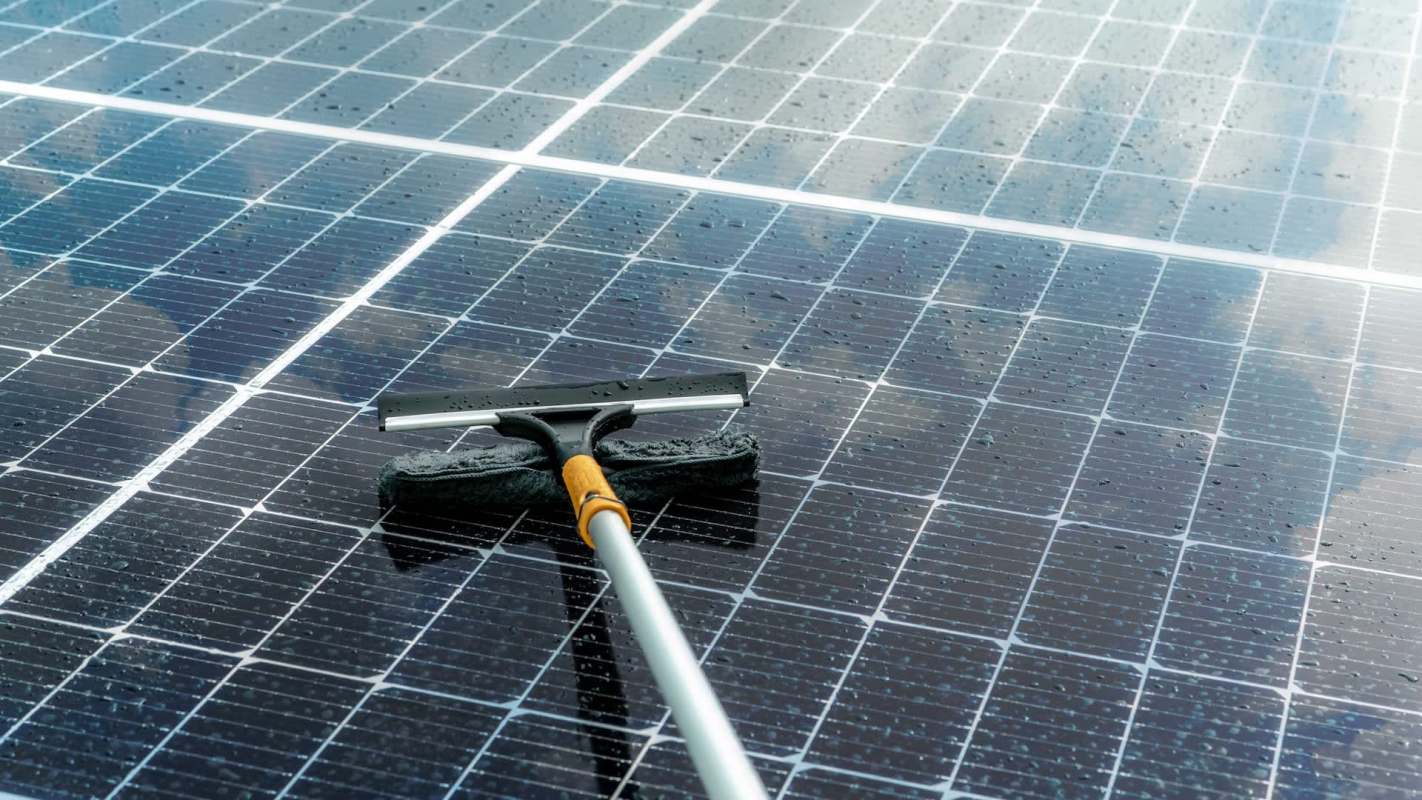
A homeowner in the U.K. said a single rooftop solar panel produced far more power after they wiped away morning dew before the panel dried naturally.
That before-and-after reading, from 70 watts to 140 watts, prompted questions from the r/SolarUK subreddit about the nature of the increase.
Here's what to know
Writing in a Reddit thread, the poster described using a squeegee on one damp panel ahead of direct sun. Their key observation was simple: "It jumped from 70W to 140W!"
That prompted a familiar maintenance question for people with rooftop systems: whether a quick pass to clear water from the surface can translate into extra electricity. Here, the change looked large, though it came from a very small sample size.
Crushed by your bills? See instant solar savings from vetted installers in just a few clicks With energy prices through the roof, there's never been a better time to go solar — and EasyHome can help you find the best prices from the best installers in your area. EasyHome takes the guesswork and headaches out of energy upgrades by showing you estimated savings from a network of vetted local partners. To get started, just enter your ZIP and share a few details about your home — seeing your estimate is really that easy. |

If watching a panel jump from 70 watts to 140 watts has you thinking bigger, going solar is one of the best ways to save money on home energy. You can use EnergySage to get free solar installation estimates and compare quotes.
More background
Instead of treating the result as proof, many replies zeroed in on the test setup.
"Are you sure that in the time it took you to squeegee the panel it didn't just get more bright outside?" a user reacted. "I really sincerely doubt that morning dew would reduce the efficiency of a panel by 50% lol."
Because panels often ramp up rapidly as daylight intensifies, output may have been headed upward even without touching the glass. Dew removal could still help a panel get going a bit earlier, but the thread did not show how much of the extra 70 watts came from the squeegee itself. Still, the idea got the community thinking.
"Someone somewhere has enough time, money and need for YouTube views to install HGV windscreen wipers and washers on each of their panels for science…" a user mused, before jokingly taking ownership if the ploy worked.
What can be done?
Anyone tempted to try the same experiment should measure carefully. A single dewy panel, one short morning test, and a jump from 70W to 140W may be interesting, but that is not the same as proof.
The poster's own closing joke captured that balance between curiosity and practicality: "Maybe when I retire I'll get a long pole and squeegee the lot of them every morning..."
If that small morning test gets you interested in the larger economics of rooftop solar, EnergySage can be especially helpful. With EnergySage's help, the average person can save up to $10,000 on solar purchases and installations.
More From EnergySage
💡Go deep on the latest news and trends shaping the residential solar landscape

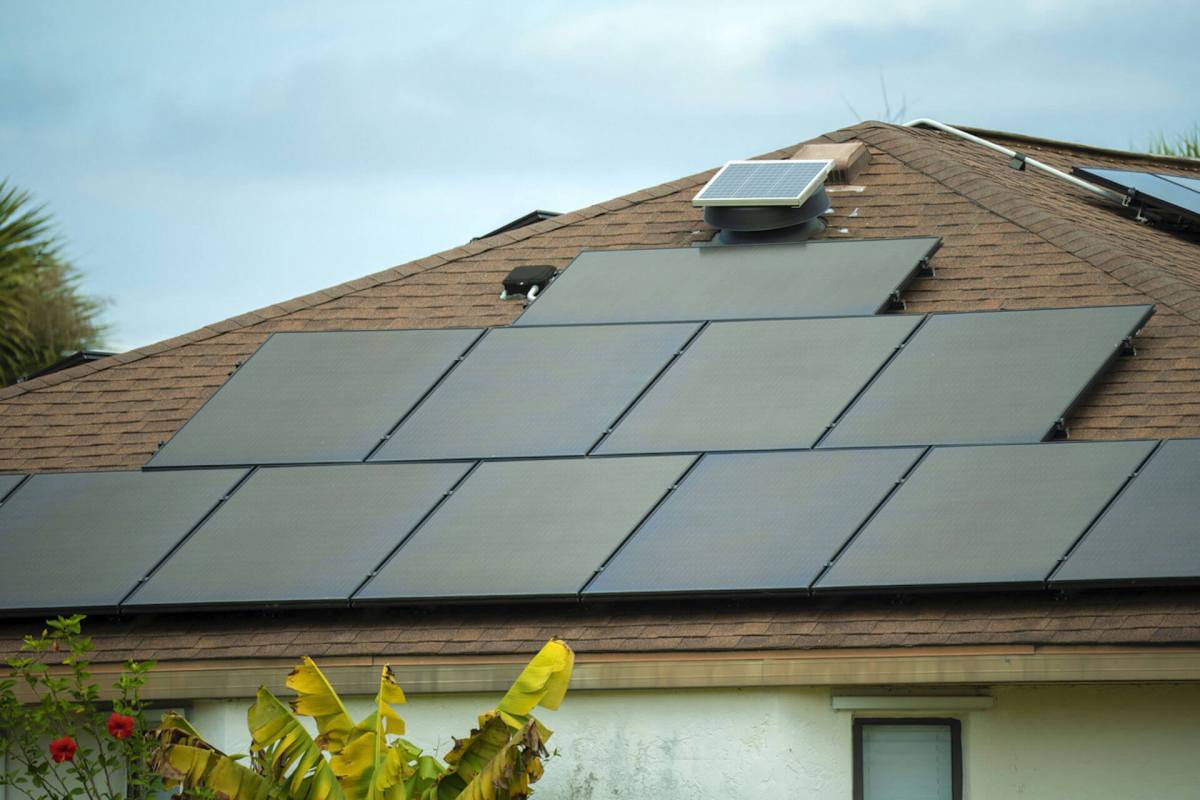


EnergySage's solar map shows the average cost of a home solar panel system on a state-by-state level, as well as details on solar panel incentives for each state. Together, these resources can help homeowners get the best price for rooftop solar panels and access available incentives.
And if you are already thinking beyond the original poster's theatrics, battery storage can have a much bigger impact. Adding battery storage to a solar setup is one of the best ways to protect your home during outages, save money on energy, and go off-grid. Explore EnergySage for information about home battery storage options, including competitive installation estimates.
Where can I learn more?
If that dewy-panel experiment got you curious, there are plenty of examples of the practical questions homeowners keep running into with solar.
• Homeowners found a simple rinse can unlock about 5% more solar power.
• Solar experts warned that common cleaners on solar panels can do more harm than dirt.

Get TCD's free newsletters for easy tips, smart advice, and a chance to earn $5,000 toward home upgrades. To see more stories like this one, change your Google preferences here.






