


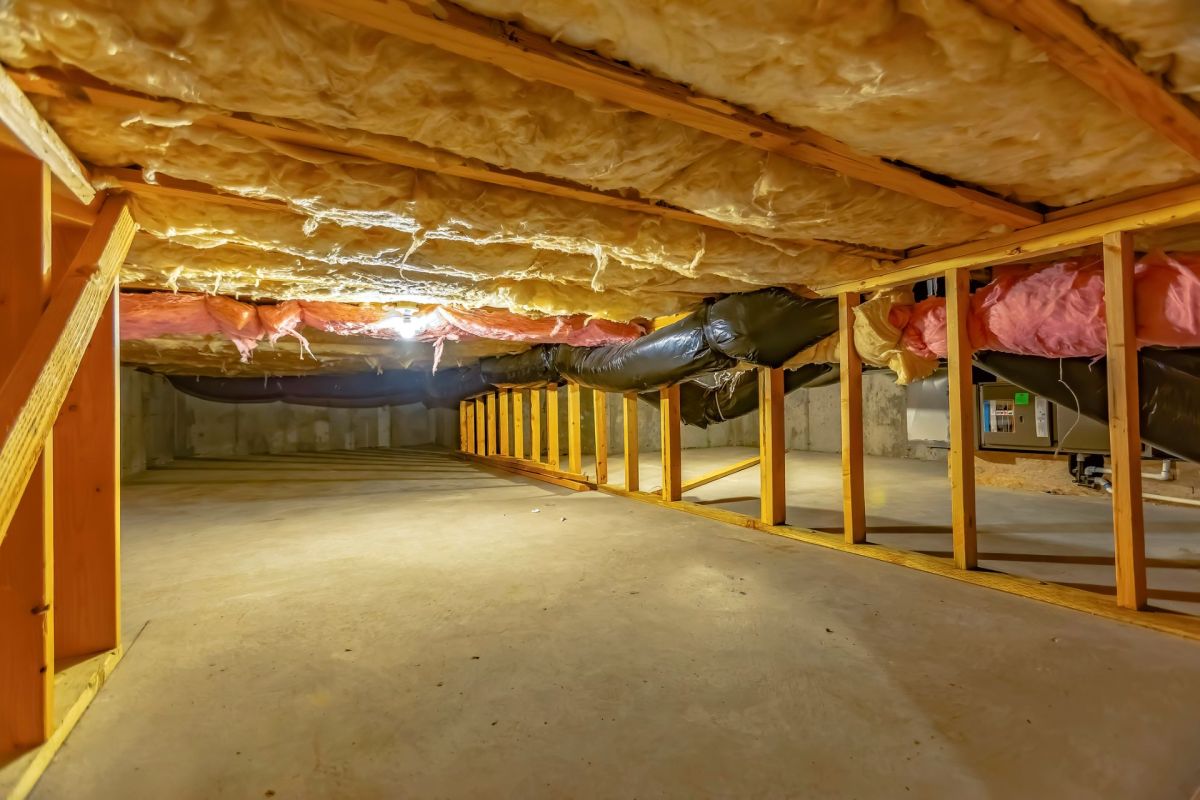
A crawlspace dehumidifier is supposed to solve a moisture problem, not create a totally different problem altogether.
But one homeowner who installed an AlorAir Sentinel HDi90 ran into an issue that specifically popped up during winter.
Here's what to know
According to the Redditor, condensate from a crawlspace dehumidifier was being sent outdoors through narrow vinyl tubing.
Their worry was an ice plug. Because the pump activates only from time to time, water might remain in the line long enough to freeze. Among the suggestions, the simplest practical fix was one that the original poster could manage.
"Pvc drain through the wall at a downward angle that the tubing connects to inside the crawlspace," a commenter prescribed. "Pump pushes water to the pvc drain then gravity clears the pvc."
The original poster replied right away: "Great idea!"
TCD Picks » Quince Spotlight
💡These best-sellers from Quince deliver affordable, sustainable luxury for all




A short PVC run that drains by gravity could help a homeowner avoid having to immediately upgrade to a more complicated reroute or freeze-prevention setup.
More background
The homeowner later said there was a reason why they still wanted the unit running in cold weather: "It's at ~81%, so I want to keep it during the winter."
The setup also appeared to be limited by the space itself, and there was not an easy indoor drain connection available.
The homeowner said there was no utility/laundry sink or floor drain, and there was "just a vapour barrier."
"My crawlspace dehumidifier shuts off on low temperature lockout (about 50F) for most of the winter," one commenter said. "Yours may not run as much as you'd want, unless your crawlspace stays warm in the winter."
Another reply focused on temperature, warning that any exposed tubing has to stay around 32 degrees Fahrenheit.
The drain-line decision can affect more than moisture control. It can also determine whether the homeowner ends up dealing with clogs, icing, or added equipment.
What can be done?
Commenters largely agreed that, when possible, condensate should end up at an indoor drain rather than outside.
One commenter said, "Right solution is to plumb it to an interior drain." Another added they would have routed it "through your subfloor into the washer drain, or any other possible drain rather than outside."
For homes without a nearby drain, commenters still outlined backup options.
One commenter suggested: "To run it outside, insulate it and heat trace it. All the way to the end."
"A dishwasher adapter tee and a condensate pump is what I typically install if there is no convenient drain nearby," another commenter said.
These suggestions are more involved than the PVC sleeve idea, but they offer a ladder of options depending on the home's layout and the local climate.
In places where temperatures do not stay below freezing around the clock, the downward-sloped sleeve could be the cheapest first step because it aims to empty the line completely, potentially avoiding the added purchase and electricity use of heat trace cable or the labor of rerouting to an interior drain.

Get TCD's free newsletters for easy tips, smart advice, and a chance to earn $5,000 toward home upgrades. To see more stories like this one, change your Google preferences here.






