


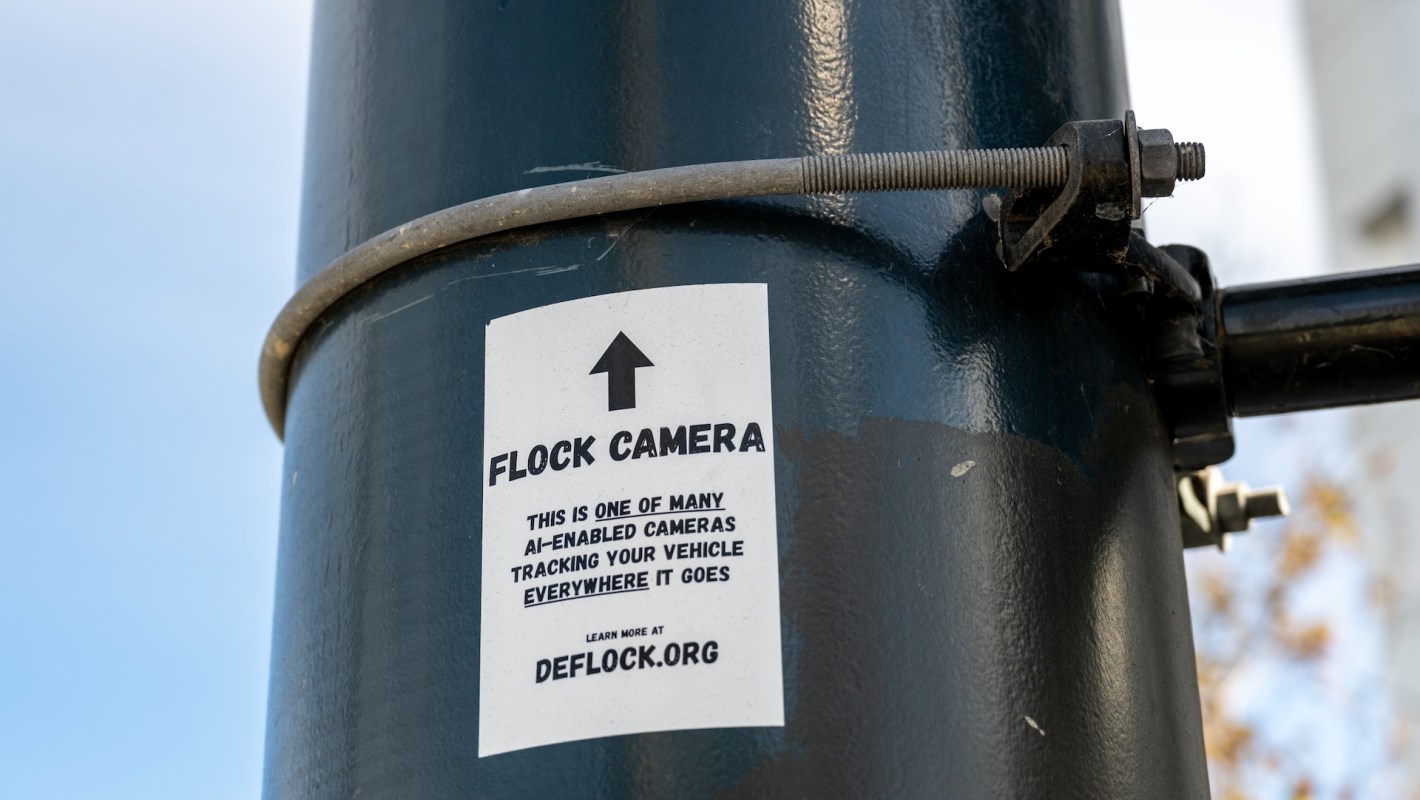
Officials in Golden, Colo., are reconsidering whether to keep paying $27,500 per year for 11 Flock license plate reader cameras after multiple city council members raised concerns about privacy, surveillance, and control over the data the system collects.
Here's what to know
Instead of voting on the contract right away, council members asked staff to spell out the legal and contractual fallout of canceling it and bring that analysis back before any final action, according to The Denver Gazette. Even so, most of the council appeared to be leaning toward ending the agreement, which is otherwise set to continue through July 2028.
During the discussion, Golden Police Chief Michele Wagner and interim Commander Ben Salentine said the department has used the system since 2023, per The Denver Gazette. They explained that the cameras capture images of passing vehicles, keep records for 30 days, and let law enforcement search for vehicles tied to a specific plate or seen near a crime scene.
Wagner described the cameras as a "focused investigative tool," while Salentine said the system does not establish probable cause for an arrest and instead gives officers leads that require further investigation.
Councilmembers Emily Kurzinski and Sandra Knecht brought forward the push to end the contract, according to The Denver Gazette. Among Golden's seven council members, Kurzinski, Knecht, Councilmember Patty Evans, and Councilmember Don Cameron voiced concern, while Mayor Pro Tem Lisa Vitry was the only member to openly support keeping the technology.
More background
Golden's debate fits into a wider Colorado fight over automated license plate readers. Critics have increasingly questioned Flock over privacy and surveillance issues, along with concerns that vehicle data could be repurposed or shared beyond the needs of a specific investigation.
TCD Picks » Quince Spotlight
💡These best-sellers from Quince deliver affordable, sustainable luxury for all




That scrutiny has already led to reversals elsewhere in the state. Aurora police said high school cameras helped produce arrests, but city council members later urged them to turn the system off, and departments in other Colorado communities have canceled their Flock deals as well.
In Golden, Wagner said the department has already narrowed its approach by limiting data sharing and keeping retention to 30 days. She also said Golden police share Flock data only with Colorado law enforcement agencies when an official request is submitted.
What's being done?
In addition to the pending analysis, Golden police have also pointed to internal guardrails already in place. The Gazette noted that Wagner said the department regularly audits its use of Flock to ensure officers follow policy, and she wrote in a council memo that the department amended its rules after concerns were raised.
A memo from Wagner in the council agenda packet says Golden's cameras have been used for property recovery, missing persons cases, arrest warrants, and collaboration with other area police departments. Wagner said they are not for broad surveillance.
The council is also considering a framework for surveillance technology beyond this single contract. Knecht said ending the Flock deal while creating publicly available guidelines would create "a pause that could allow the law to catch up to where Flock technologies have progressed to," per the Gazette.
Where can I learn more?
Golden's debate over Flock reflects widespread questions about how surveillance technology is used and where officials draw the line, as these stories examine.
• In Toledo, Ohio, a surveillance camera trend drew warnings over how police use footage.
• In Russellville, Ala., police used strategically placed cameras to identify an illegal dumping suspect.
• In Wolverhampton, England, officials installed sensors on public garbage bins to monitor waste problems.

Get TCD's free newsletters for easy tips, smart advice, and a chance to earn $5,000 toward home upgrades. To see more stories like this one, change your Google preferences here.






