


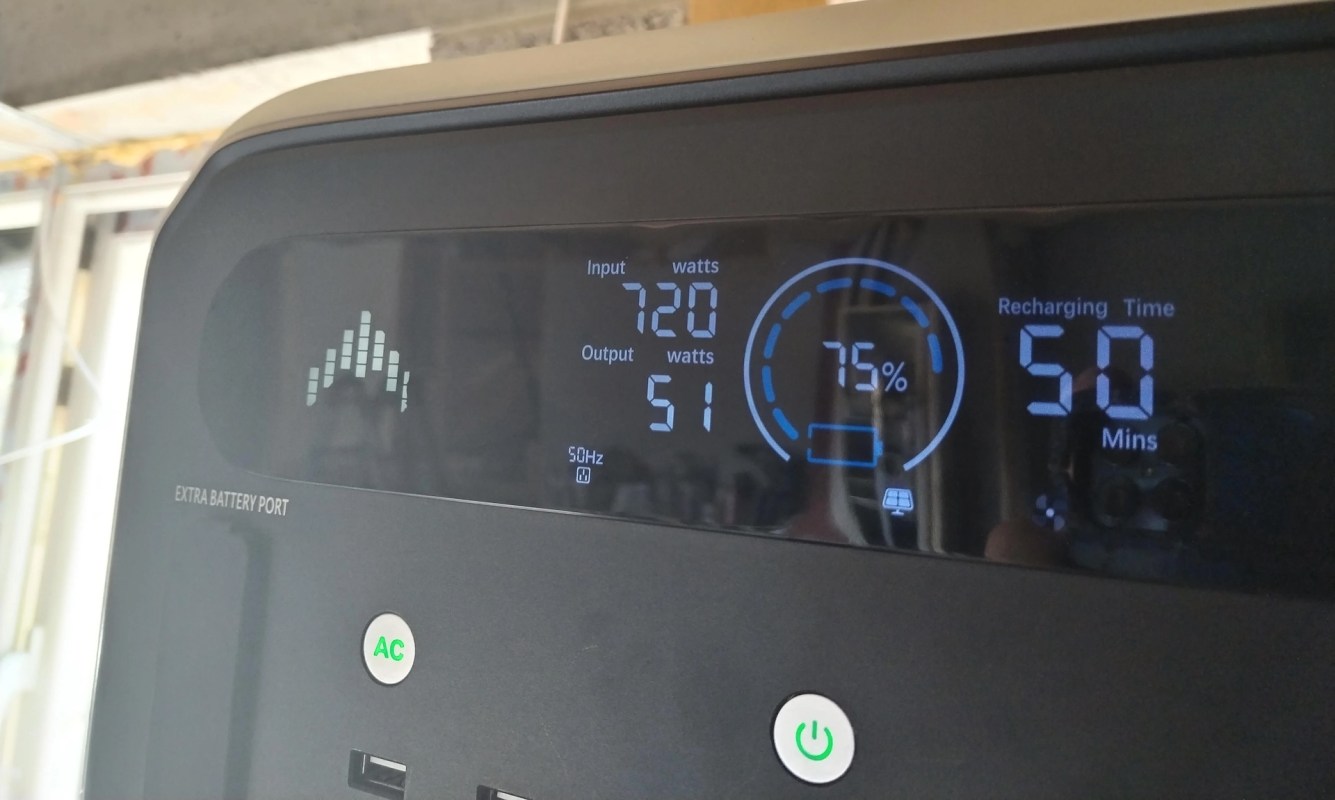
A homeowner took to social media to lay out a simple solar math problem: If 800 watts of solar panel output is produced for five hours while the house uses a steady 400 watts, can the extra energy be stored for later?
Here's what to know
In a post on Reddit's r/SolarDIY community, the homeowner said their state now allows plug-in solar systems that can send up to 1,200 watts to the grid.
The original poster wanted to know whether a solar power station could sit between the panels and the panel box so the house could store any generation it didn't use immediately.
OP wrote, "I'm wrapping my head around the options with plug in solar and am trying to see if a solar power station is useful in this," before asking, "Are there power banks that will do this? How hard are they to set up?"
Crushed by your bills? See instant solar savings from vetted installers in just a few clicks With energy prices through the roof, there's never been a better time to go solar — and EasyHome can help you find the best prices from the best installers in your area. EasyHome takes the guesswork and headaches out of energy upgrades by showing you estimated savings from a network of vetted local partners. To get started, just enter your ZIP and share a few details about your home — seeing your estimate is really that easy. |

Commenters to quickly stream into the thread to add their thoughts and suggestions. One wrote, "You would need the solar to feed/charge the power station which would feed into the microinverter which would plug into the dedicated outlet and sync with the grid."
Another added, "plug in solar rules vary with each state," an idea several other users expressed.
One encouraging commenter explained, "you can configure solar output to pass directly to the inverter to supply a baseboard value you define in the app. Surplus charges the battery… I expect to see a surge of similar products coming soon."
What can be done?
Whether you get rooftop panels or opt for a plug-in setup, going solar is one of the best ways to save money on home energy. Homeowners who want to compare larger system options can try EnergySage to get free solar installation estimates and compare quotes. With EnergySage's help, the average person can save up to $10,000 on solar purchases and installations.
For anyone weighing a solar upgrade, EnergySage's solar map shows the average cost of a home solar panel system by state, along with details on solar panel incentives for each state.
Batteries can change a solar system's economics by providing backup power, reducing energy costs, and supporting off-grid use. They can also make the post's midday extra generation more useful after sunset. Homeowners can explore EnergySage for information about home battery storage options, including competitive installation estimates.
Where can I learn more?
These articles explore the same questions about solar, batteries, and what daytime generation is actually worth.
• Across the U.S., net metering rules make home batteries harder or easier to justify.
More From EnergySage
💡Go deep on the latest news and trends shaping the residential solar landscape


• In Australia, a homeowner's 20kW solar setup made blackouts nearly invisible and credits piled up.
• EnergySage says solar panel costs depend on equipment, labor, incentives, and household needs.

Get TCD's free newsletters for easy tips, smart advice, and a chance to earn $5,000 toward home upgrades. To see more stories like this one, change your Google preferences here.






