


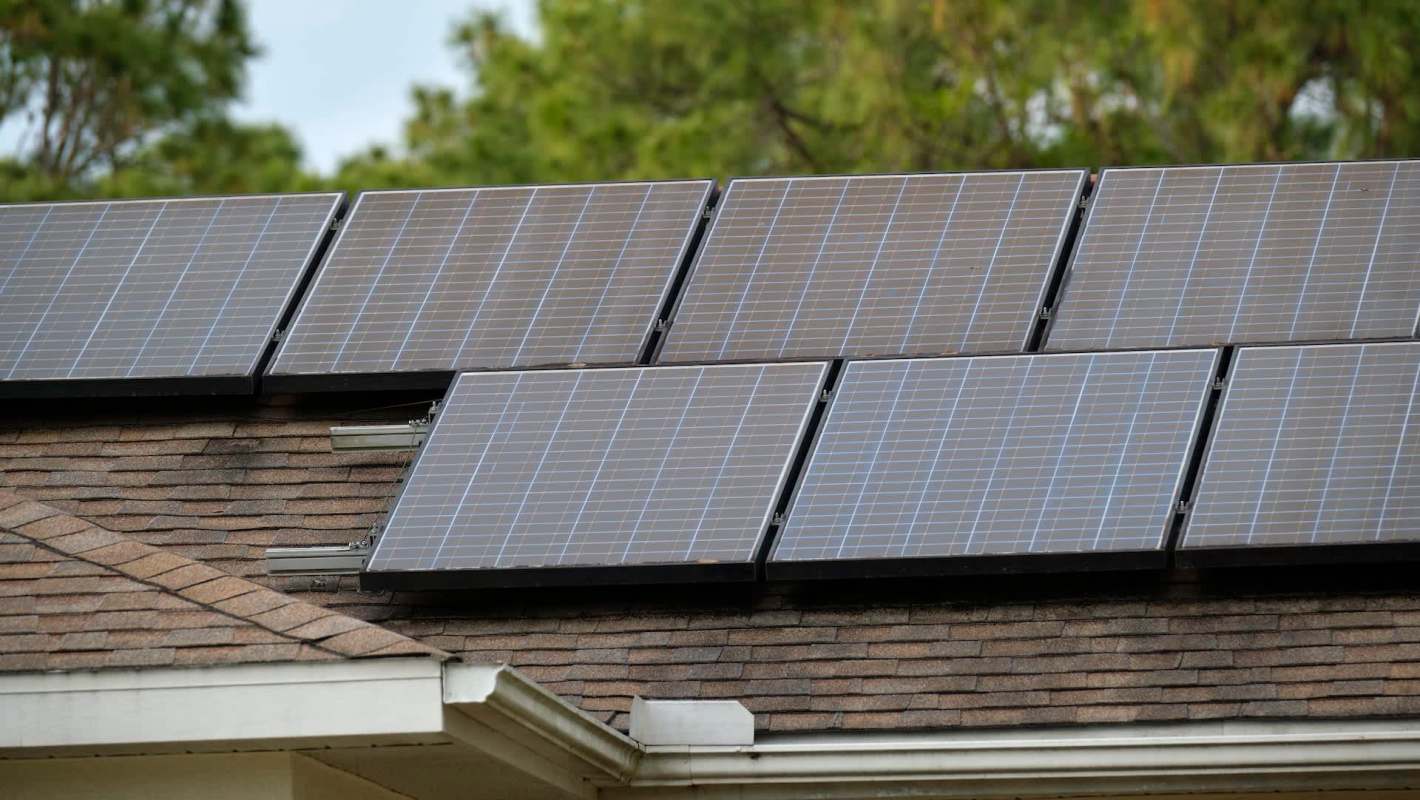
A Michigan homeowner's $71,000 solar-and-battery quote sparked an online debate.
Some people on Reddit's r/Solar forum believed the system was fairly priced, while others thought the batteries would push the payoff too far into the future.
Here's what to know
The main sticking point was not the panels themselves. Instead, commenters focused on whether an 11-year payback is realistic under DTE's time-of-use structure.
In a Reddit thread, the homeowner in southeast Michigan asked for input on a proposed 18.06-kilowatt rooftop solar array paired with two Powerwall 3 batteries at a total price of $71,000. The package also covered permits, interconnection, sales tax, and a Gateway 3.
Crushed by your bills? See instant solar savings from vetted installers in just a few clicks With energy prices through the roof, there's never been a better time to go solar — and EasyHome can help you find the best prices from the best installers in your area. EasyHome takes the guesswork and headaches out of energy upgrades by showing you estimated savings from a network of vetted local partners. To get started, just enter your ZIP and share a few details about your home — seeing your estimate is really that easy. |

The original poster added that their household uses about 30,500 kilowatt-hours each year, with more than half of that tied to their two EVs. The installer estimated output at 22,926 kilowatt-hours annually, which would offset about 75% of their use.
The proposal came out to about $2.68 per watt for the solar portion by itself and roughly $4.03 per watt once the batteries were included. The OP then wrote, "Payback pencils out around 11 years at 4 to 5% DTE escalation."
That projection quickly drew skepticism from other users, who zeroed in on export compensation and rate-growth assumptions. One commenter wrote, "DTE buys your excess energy at wholesale rates so keep that in mind," while another questioned whether 4% to 5% annual utility rate increases were too optimistic.
Because the homeowner planned to pay cash, the conversation was mostly about long-term returns rather than loan terms or monthly financing costs.
One user wrote, "I'm highly skeptical of that payback period of 11 years. I think it's closer to 14 years… But solar only and cash payment gets you in the sub-10yr payback. Without storage, your ROI actually looks really good… I would walk from this deal."
The OP clarified that, "I already have a whole home generator, so the Powerwall's are for TOU and self consumption under DTE's outflow credit, not backup." With that in mind, some commenters said the economics could improve by dropping storage, even if batteries still provide added flexibility.
Some commenters took a middle ground, arguing that while the quote is "not a great price, [it's] not horrible either, get a system that will produce 100% of your needs."
What can be done?
For homeowners looking at a similar quote, the discussion pointed to a few practical steps: collect more bids, check the assumptions yourself, and compare a battery-backed system against a solar-only version.
More From EnergySage
💡Go deep on the latest news and trends shaping the residential solar landscape

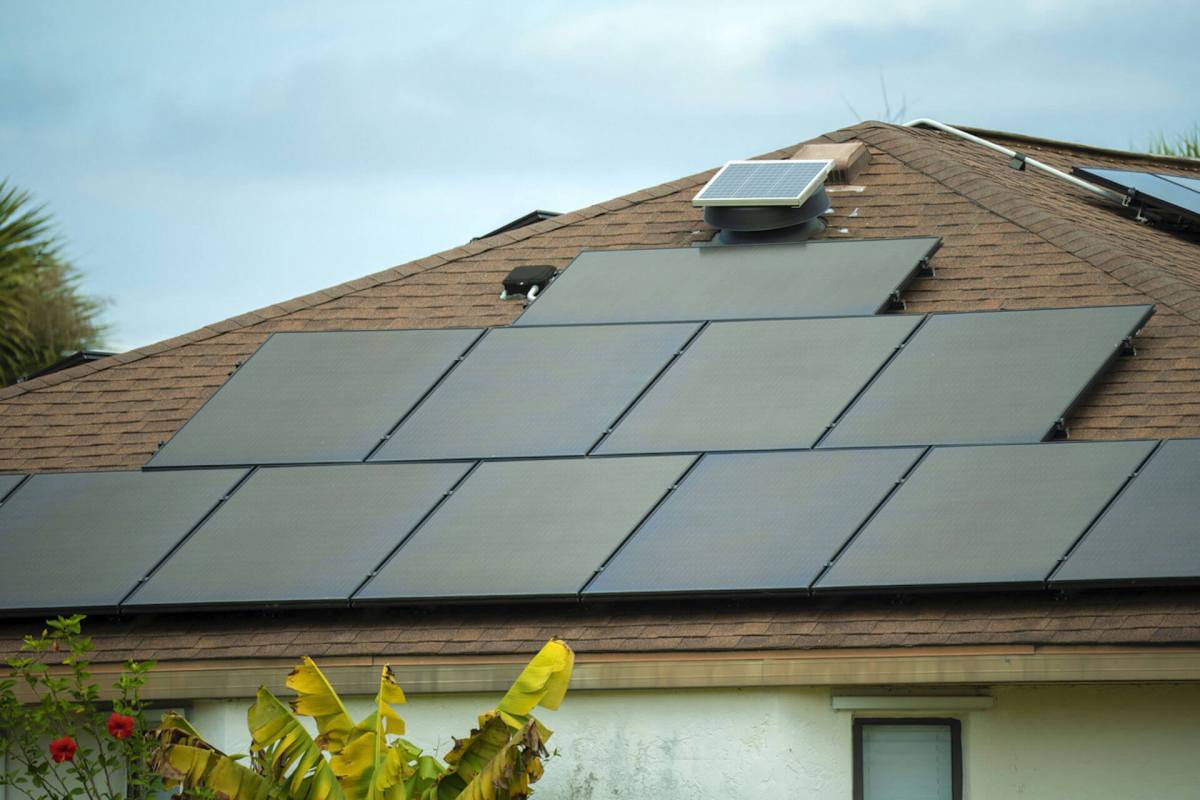


Still, going solar is one of the best ways to save money on home energy, and homeowners can try EnergySage to get free solar installation estimates and compare quotes. With EnergySage's help, the average person can save up to $10,000 on solar purchases and installations.
Plus, EnergySage's solar map shows the average cost of a home solar panel system by state, along with details on solar panel incentives for each state.
And if you are interested in home backups, adding battery storage to a solar setup is one of the best ways to protect your home during outages, save money on energy, and go off-grid. Homeowners weighing systems like two Powerwall 3 units can explore EnergySage for information about home battery storage options, including competitive installation estimates.
Where can I learn more?
These stories look at the costs, incentives, and savings that can make or break a solar payback.
• Across the U.S., homeowners could save about $700 a year with solar, with bigger gains elsewhere.
• In Australia, a homeowner said a 20kW solar setup erased blackout worries and earned them credits.
• For many U.S. households, rooftop solar can save $50,000 over time.

Get TCD's free newsletters for easy tips, smart advice, and a chance to earn $5,000 toward home upgrades. To see more stories like this one, change your Google preferences here.






