


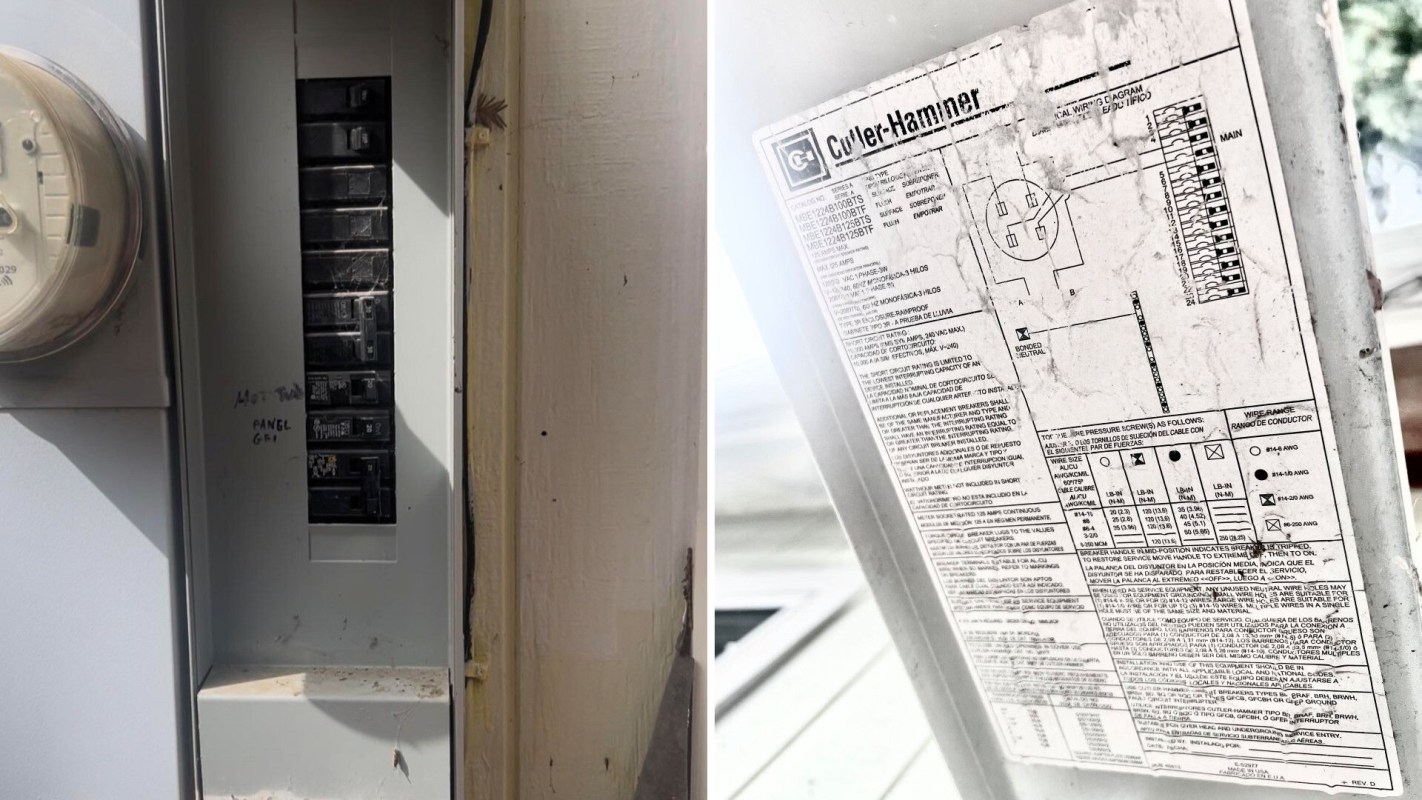
Sticker shock set in for one rural Northern California resident after the electricians estimated $9,000 to $13,000 for the work.
The homeowner got three bids for home electric vehicle charging work, with about $5,000 to $6,000 of that total tied just to a panel upgrade.
Here's what to know
Writing on Reddit, the homeowner explained that they are near the Bay Area in a high-cost region and wanted to know whether that pricing was normal for a very high cost-of-living area, as the r/EVCharging thread detailed.
The quotes, they said, included replacing a 100-amp panel with 200-amp service, extending wiring from the house to an outdoor parking area for the EV charger, adding breakers, and putting in a second 240-volt oven outlet, but not supplying the charger itself.
The homeowner said, based on their rough load calculation, that an installation might be possible without swapping out the current panel.
A few replies focused on dynamic load management as a possible alternative to full panel replacement. Using that approach, charging power is adjusted to match the home's real-time electric demand rather than being treated as a constant maximum load.
TCD Picks » Quince Spotlight
💡These best-sellers from Quince deliver affordable, sustainable luxury for all




One commenter said, "No reason you can't keep your panel," while another said, "However, EV charging at 24A could be more than enough for most of us."
That means a lower-amperage installation may still cover overnight charging needs while avoiding some of the upfront expense.
More background
For households adding more electric equipment, the charger can be just one contributor to a much larger project cost.
The homeowner also noted that a partial rebate comes with a catch: it requires using "a licensed electrician with EVSE training," which can shrink the contractor pool and make bargain shopping harder.
Views on the pricing were mixed. One commenter said "$5k sounds about right for a main panel replacement and service upgrade," and noted that underground service can make even $5,000 look low once PG&E charges are included. Another said they were also in a very high cost-of-living area and spent about $9,000 to move from 125A to 200A, upgrade 40 feet of service line, and install a hardwired charger before rebates reduced the total to $7,000.
Even so, several people argued that the least expensive path might be finding a way to skip the service upgrade altogether.
One commenter pointed to PG&E's ChargeBoost program, and another mentioned a meter-socket adapter from ConnectDER that could avoid a panel replacement if the utility approves it.
If either option is viable, the savings could be substantial.
What can be done?
The homeowner said all three electricians had dismissed the idea of a dynamic charger. However, commenters suggested that their response may say more about contractor familiarity than about whether the setup can be done safely.
One commenter said some electricians "don't know load management systems," and another explained that a smart EVSE can change the charging current in response to the home's live demand rather than depending on older relay-based controls.
Some replies also urged the homeowner to rethink how much charging speed they actually need.
One commenter said they used Level 1 to charge a Nissan Leaf for five years, while another said a 20-amp, 240-volt circuit can bring a vehicle from 20% to 80% in roughly 12 hours overnight.
Commenters also raised the possibility of trimming the home's overall electrical demand.
One person asked whether the home was on PG&E and still relied on resistance-based water heating or clothes drying, saying a switch to heat-pump appliances could cut "over 9000 watts" from the load calculation and that "the WH will pay for itself in barely a year."
Ultimately, the debate centered on whether a major service upgrade was necessary in the first place. As one commenter put it: "My recommendation is that rather than replacing your panel you should replace your electrician."
Where can I learn more?
These stories look at home charging costs, electrical upgrades, and ways to keep projects from getting more expensive than they need to be.
• Across the United States, experts say the biggest charger install mistakes waste money and create headaches.
• GM owners eye backup power from EVs, but installation costs still give many pause.
• One homeowner found an EV charger fit neatly into a battery-free solar setup.
• Another homeowner used 900W of portable panels to sidestep a pricey solar upgrade.
• At EnergySage, interconnected factors drive solar pricing and muddy simple quote comparisons.

Get TCD's free newsletters for easy tips, smart advice, and a chance to earn $5,000 toward home upgrades. To see more stories like this one, change your Google preferences here.






