


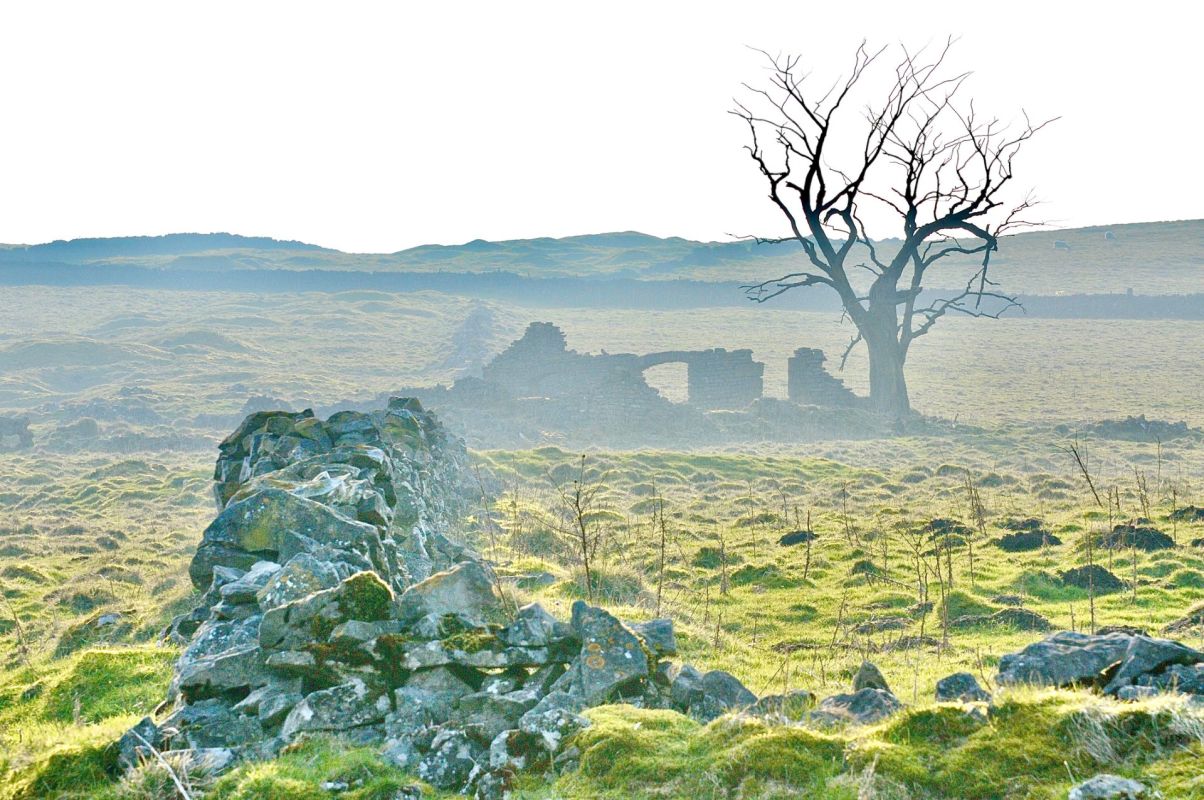
Children in medieval England's lead-mining Peak District faced pollution levels that rivaled those in industrial cities centuries later.
Here's what to know
New research covered by Archaeology News shows that teeth from the mining-and-smelting center at Castleton preserve some of the clearest signs of heavy childhood exposure.
To trace childhood exposure from about CE 650 to 1500, researchers matched radiocarbon dates with lead measurements taken from tooth enamel of people buried in three cemeteries in the central English Peak District, a region that later became a major medieval lead-producing zone.
Because tooth enamel forms during childhood — roughly ages 4 to 12 — and changes very little afterward, it can preserve evidence of what children encountered while growing up. The team compared those readings with lead data from British populations spanning the Neolithic era through the Industrial Revolution.
The earliest part of that record indicates that lead working in the post-Roman Peak District was already underway by the middle of the seventh century. At first, exposure varied widely, from relatively modest readings to strikingly elevated ones.
By roughly CE 750 to 850, Castleton appears as a heavily polluted mining-and-smelting hub, and children buried there show consistently high lead uptake across the sample.
TCD Picks » Quince Spotlight
💡These best-sellers from Quince deliver affordable, sustainable luxury for all




More background
Pinning down the industry's beginnings has been difficult because centuries of activity repeatedly reworked the landscape. Ongoing mining and smelting wiped out much of the physical evidence, while people melted down older lead waste again and again from the 16th to the 19th centuries, obscuring when production first intensified.
The enamel evidence indicates that serious lead contamination affected medieval communities, not just Britain's better-known industrial era. The highest readings came in the late 12th and early 13th centuries.
Children living near heavy industry seemed to carry the greatest toxic burden. However, the study found large differences among individuals, supporting the idea that social status could influence exposure to toxic metals.
The results also align with other environmental records, including lead pollution preserved in Swedish lake sediments and Alpine ice cores, giving researchers a clearer sense of how far early industry's effects could spread.
Where can I learn more?
Here's more reading on how lead exposure still shows up in modern communities.
• In some neighborhoods, firewood smoke is carrying lead into the air people breathe.
• In Chicago, young children faced lead exposure through drinking water at troubling rates.
• Across the U.S., abandoned telephone cables are releasing lead into soil and waters.
• Some children's clothing sold through fast-fashion channels carried alarming levels of toxic lead.

Get TCD's free newsletters for easy tips, smart advice, and a chance to earn $5,000 toward home upgrades. To see more stories like this one, change your Google preferences here.






