


A homeowner who had relied on a generator for 80 hours after a hurricane contemplated adding home batteries, and they asked internet users for estimated costs.
Here's what to know
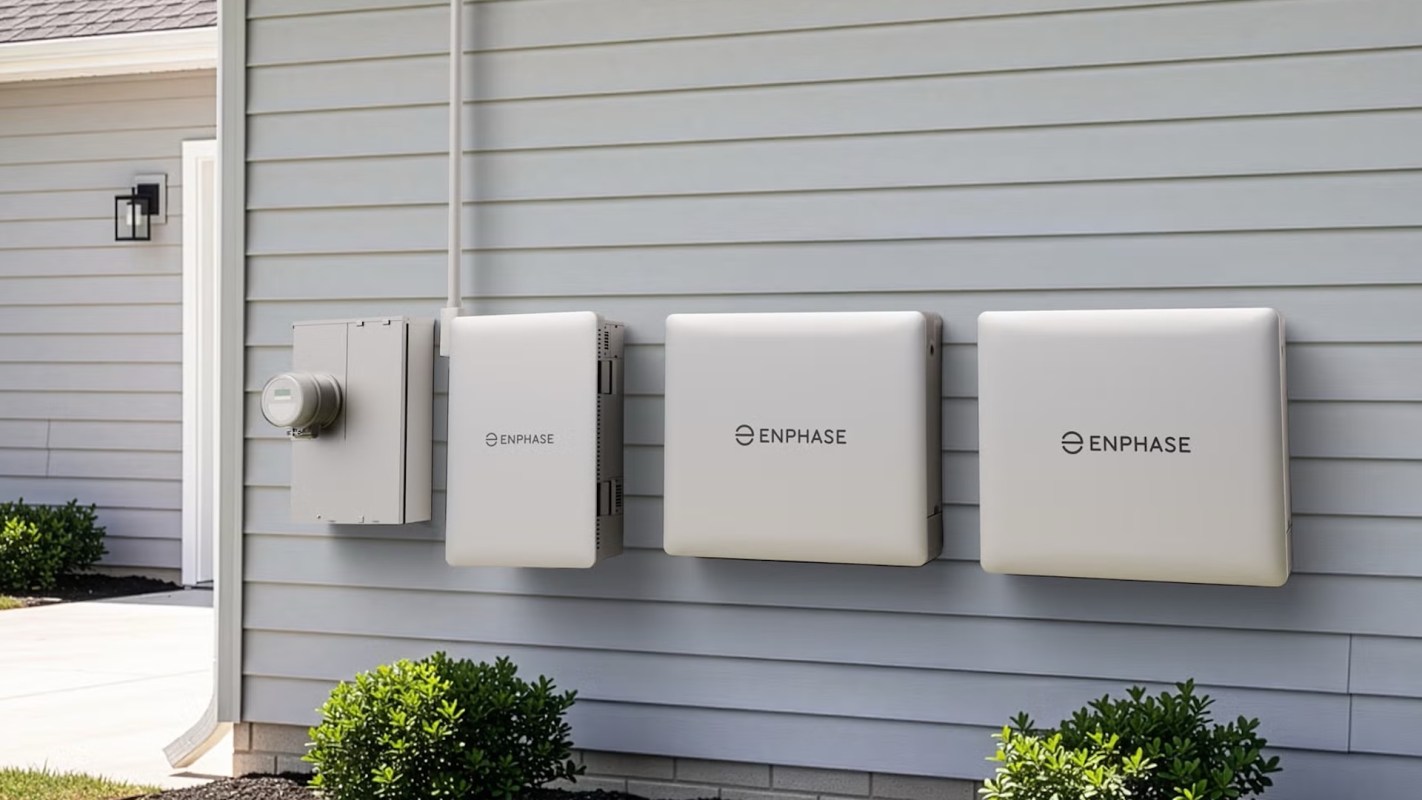
On Reddit, the original poster said one battery would not fully meet their needs but might still be a first step after a storm left them running a generator for 80 hours. Other commenters answered with examples of what they said they were spending to add Enphase storage.
One wrote, "I am putting in 4x 10c batteries. I'm paying $10,000 for the first battery and $7,500 each for the other three. $33,500 total."
In other replies, one installer was expected to quote a single 10C at "an installed price of $18k in July."
Another owner said two IQ Battery 10Cs, an IQ Combiner 6C upgrade, an IQ Meter Collar, permits, and rigid conduit totaled "around $24K."
Adding battery storage is one of the best ways to protect your home during outages, save money on energy, and gain more energy independence. If you're comparing options before calling installers, EnergySage can help you explore home battery storage choices and provide competitive installation estimates. EnergySage has teamed up with electrification brand Qmerit to help homeowners get the best price on home battery storage solutions.
More background
The discussion also made clear that the battery is not the only cost. One user said an IQ Combiner 6C is required with a 10C battery, and another wrote, "You also need a meter collar if you want off-grid power."
Pricing in the discussion had a wide range, showing that location, existing equipment, and installation company can have a big effect on the total cost.
Crushed by your bills? See instant solar savings from vetted installers in just a few clicks With energy prices through the roof, there's never been a better time to go solar — and EasyHome can help you find the best prices from the best installers in your area. EasyHome takes the guesswork and headaches out of energy upgrades by showing you estimated savings from a network of vetted local partners. To get started, just enter your ZIP and share a few details about your home — seeing your estimate is really that easy. |

The original poster said the home can "pull a steady 3kw due to my computer equipment," and that if a microwave and coffee maker are running too, "a single 5kw battery would last me about 90 minutes."
What can be done?
Existing system components can have a big effect on an Enphase battery quote. From the examples in the thread, a 10C install may require an IQ Combiner 6C, and getting off-grid capability may also mean adding a meter collar, both of which can raise the total.
Some commenters said the answer was to back up a smaller set of essential loads instead of the whole house. One person described using a subpanel so solar and battery power would avoid a hot tub, water heater, dryer, and some pool equipment, with a 13-kilowatt portable propane generator covering extended outages when there is no sun.
The option of DIY was also introduced in the thread. One commenter said they took Enphase University classes and spent about $200 on wiring, roughly $1,500 plus tax on a combiner, and about $5,300 plus tax on the battery. However, that commenter also claimed to have "a decent knowledge of electrical."
For people who decide that a full system is more than they need, Pila offers another strong battery backup option. Pila's plug-and-play batteries are priced at a fraction of what a whole-home backup system would cost.
In the end, the original poster said the numbers pushed them away from the idea: "Thanks for all the replies. I'm probably going to stick with a generator. Power is mainly an issue from hurricanes and the occasional ambitious thunderstorm."
Where can I learn more?
Homeowners and local officials are considering the benefits of battery storage.
• An energy expert said backup solar can deliver quiet daily savings a generator never can.
• Homeowners are increasingly rethinking old backup generators as next-gen battery systems spread.
• SunPower and Palmetto now offer batteries without paying upfront costs for qualifying homeowners.
• In New Orleans, officials rolled out upfront incentives for residents to add home batteries.
• After hurricane season, a Florida teen built a home battery to rival Tesla's Powerwall.

Get TCD's free newsletters for easy tips, smart advice, and a chance to earn $5,000 toward home upgrades. To see more stories like this one, change your Google preferences here.






