


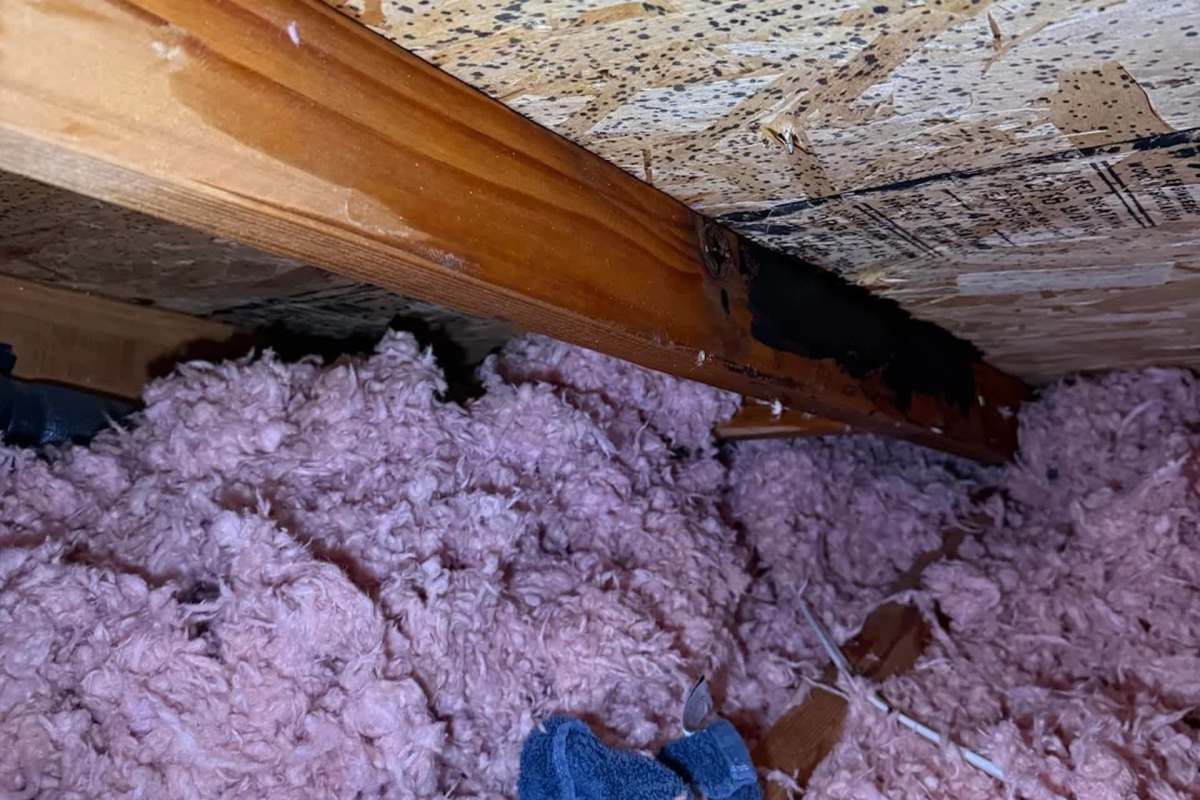
Only two years after buying the home, a homeowner faced the possibility of dipping into their $20,000 emergency fund after pulling a garbage bag full of wet insulation from the attic.
Here's what to know
After removing the wet insulation, the homeowner went to Reddit's r/Roofing community for advice and "kindness."
In a Reddit thread, the homeowner described their attic cleanup efforts. The original poster first removed soaked insulation, then patted the area dry, aimed a box fan at it, and set up a bucket beneath the sheathing leak using a 2-by-10.
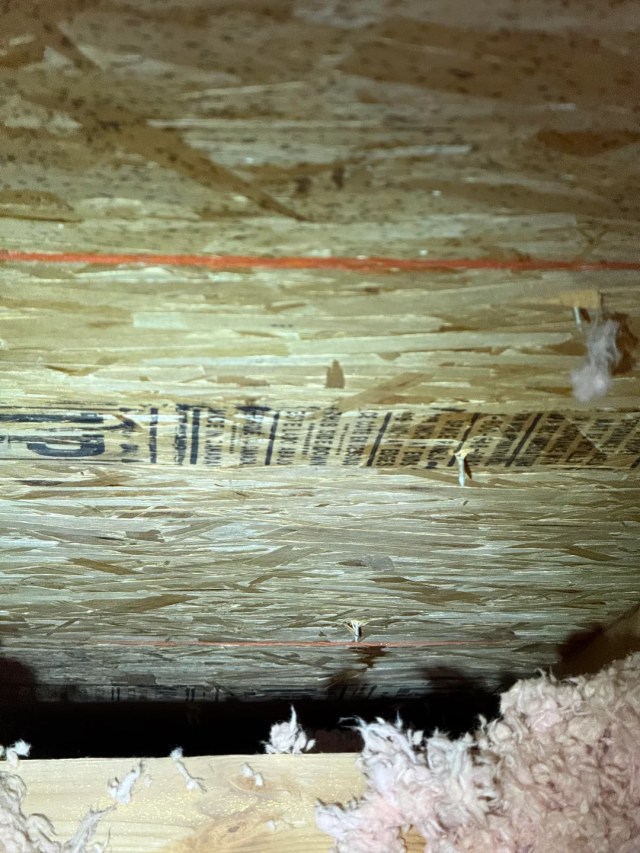
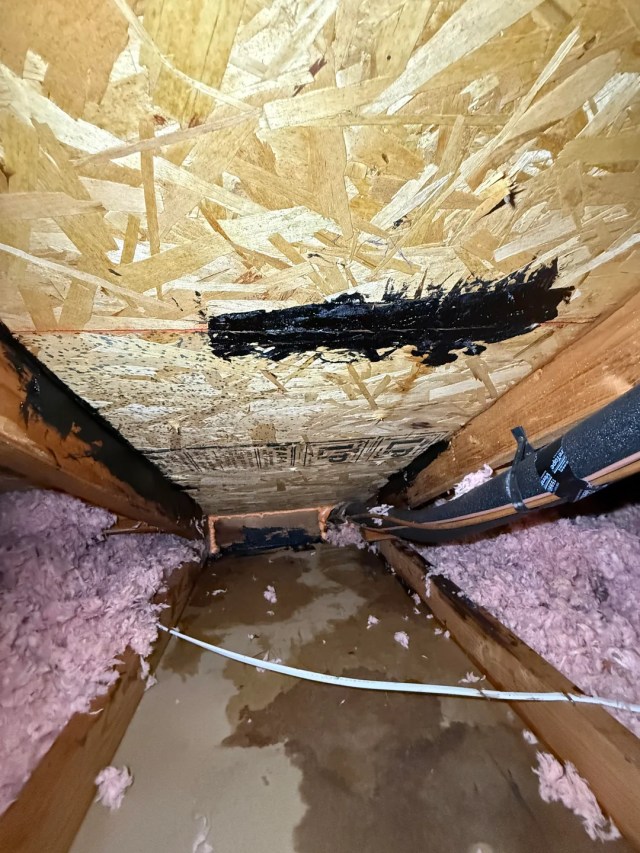
The OP added that the issue began with a damp spot that they tracked to water dripping from a nail in the attic.
According to the post, the roof is about 20 years old, and OP said they found no other leaks while checking the rest of the attic. After taking a family member's advice to use Henry's wet patch, the OP wrote they were "not really sure what to do and I am feeling kind of dumb."
In a follow-up comment, the OP said, "Too scared to get up on the roof as it's like 30ft but I think I found the culprit." They added, "Looks like this tile shifted downwards, which is about exactly the area worthy leak is."
TCD Picks » Quince Spotlight
💡These best-sellers from Quince deliver affordable, sustainable luxury for all




Commenters said tile roofs can make even a small-looking leak feel much riskier. Because tile can be damaged underfoot, one commenter said it is "better that a roofer does it" and warned that someone climbing up there could "probably break a bunch going up there." They added that even professionals sometimes crack tiles and often bring more than they think they will need.
Another commenter warned that a shifted tile may not be the only issue. "Make sure you check the underlayment under that tile as well," they wrote, adding, "You can reset the tile but if the underlayment is blown you may continue to have issues."
The homeowner also said their ladder was not tall enough to safely reach the second story, making a DIY inspection harder. In response, another commenter said not to go up at all and suggested using a drone, if available, to look for "broken or shifted tiles" from a safer vantage point.
Several commenters advised getting multiple professional bids. One commenter told the homeowner, "I'd call a few professional roofers and get 3 quotes from them regarding resecuring that tile." That same commenter added that the roofer "will hopefully want to wait for the next rain before they repair the interior damage," which could help verify the leak is fixed before interior repairs begin.
Commenters also cautioned against anyone unnecessarily getting on the roughly 30-foot tile roof. One person said not to let "a bunch of people walk around" on it, since people who don't know how to walk on tile can crack more pieces and raise repair costs.
If the issue is one shifted tile and the underlayment beneath it, shopping around for both repair quotes and payment options could materially affect the final cost. One commenter replied, "You've done a lot of the work already. I'd call a few professional roofers and get 3 quotes."
If that shifted tile is the main problem, the repair should be far less costly than the worst-case outcome many first-time or newer homeowners fear, preserving more of that $20,000 emergency fund.
Where can I learn more?
Homeowners dealing with leaks often face the same questions about inspections, roofing repairs, issues, and costs.
• One homeowner said an insurance company shared photos taken by drone despite a roofer finding nothing.
• In Florida, one husband's white roof experiment drew warnings about painting asphalt shingles.
• New smart blue roof technology is being pitched as a way to prevent flooding.

Get TCD's free newsletters for easy tips, smart advice, and a chance to earn $5,000 toward home upgrades. To see more stories like this one, change your Google preferences here.






