


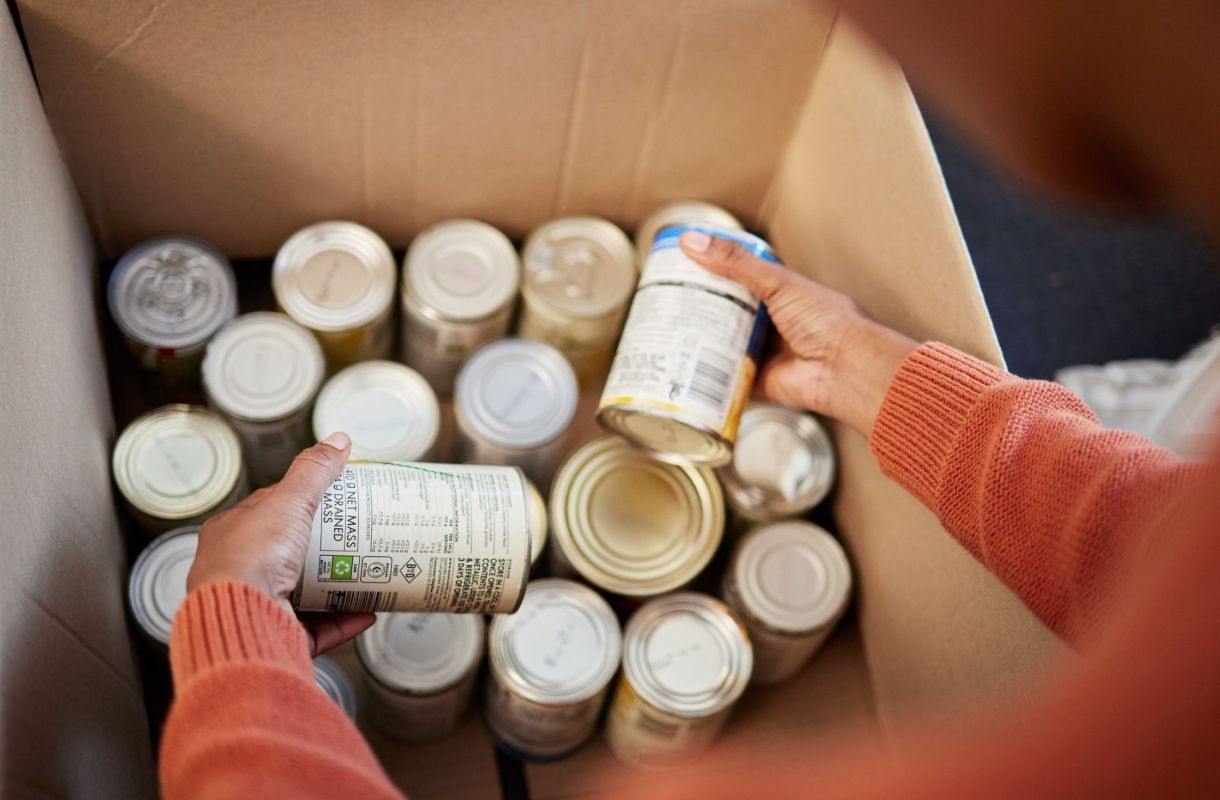
While preparing for a possible blackout, a U.K. prepper turned to Reddit with a simple pantry question: which common supermarket foods stay safe to eat when you can't cook them?
Here's what to know
The post framed the problem around avoiding staples that become useless during an outage. The user wrote that they wanted to "stock up on plenty of these things rather than loads of stuff like dry rice or pasta that would be no good if no power," and asked specifically about soups, canned chicken or corned beef, Heinz chicken and veg big soup, meatballs, and chicken in white sauce.
Across the r/UKPreppers discussion, several commenters said ordinary supermarket tins can be eaten as sold because the contents are already cooked. One commenter summed it up, writing, "Any food in a can is cooked and therefore safe to eat straight from the can. Whether you want to eat it cold is another matter!"
Another reply stressed that homemade preserves are a separate case from store-bought cans. As that commenter said, "Some home canned goods have to be heated (simmer for 8-10 minutes) to be safe to eat. Commercial or pressure canned food is already safe." That distinction kept the thread's advice focused on standard retail products.
The conversation did not stop with cans. A commenter pointed out that microwave rice packets say they "can be served hot or cold straight from the packet," making them another workable choice for blackout supplies.
More background
Soup and chicken were only part of the list. People in the Reddit thread also mentioned beans, peas, canned meals, rice pudding, custard, fruit, and even macaroni and cheese as foods they ate without heating.
TCD Picks » Quince Spotlight
💡These best-sellers from Quince deliver affordable, sustainable luxury for all




The goal was to build a prep cupboard around foods that don't need power or extra water. In that context, one commenter argued that microwave rice is more useful than raw rice for a short emergency because it "won't consume your water stock," a point aimed at ordinary outages rather than a long survival scenario.
What can be done?
One clear takeaway was to keep commercial canned foods that people would genuinely eat anyway, including soup, chicken, fruit, custard, and rice pudding, and to add microwave rice packets that explicitly say they can be eaten cold.
The thread also raised another option: using a camping stove with "a few cans of gas on hand" so people can warm more food during an outage. Commenters paired that suggestion with a warning about indoor use.
The same commenter added an edit, "CO monitor+ventilation essential if using indoors," while another wrote, "A carbon monoxide detector is also advised." Backup cooking can help, but only if the plan includes ventilation and carbon monoxide precautions.
"I genuinely didn't know if all were safe to eat from the tin!" the original poster wrote, adding that they felt stupid for asking. One commenter replied, "You probably just asked what some others were wondering."
Where can I learn more?
For more on blackout food planning, these stories focus on the practical side of outages and food safety.
• Preppers shared tips to keep fridges cool when outages stretched longer than expected.
• After a 20-hour blackout, one resident weighed whether to toss everything left in the fridge.
• One household found a brilliant hack to keep refrigerated food usable through outages.
• A homeowner looked for food storage in case of emergencies while balancing allergies and vegetarian meals.

Get TCD's free newsletters for easy tips, smart advice, and a chance to earn $5,000 toward home upgrades. To see more stories like this one, change your Google preferences here.







