


Homeowners can often lower their energy bills by upgrading to a heat pump water heater, which heats water far more efficiently than a traditional electric resistance system that repeatedly reheats a tank.
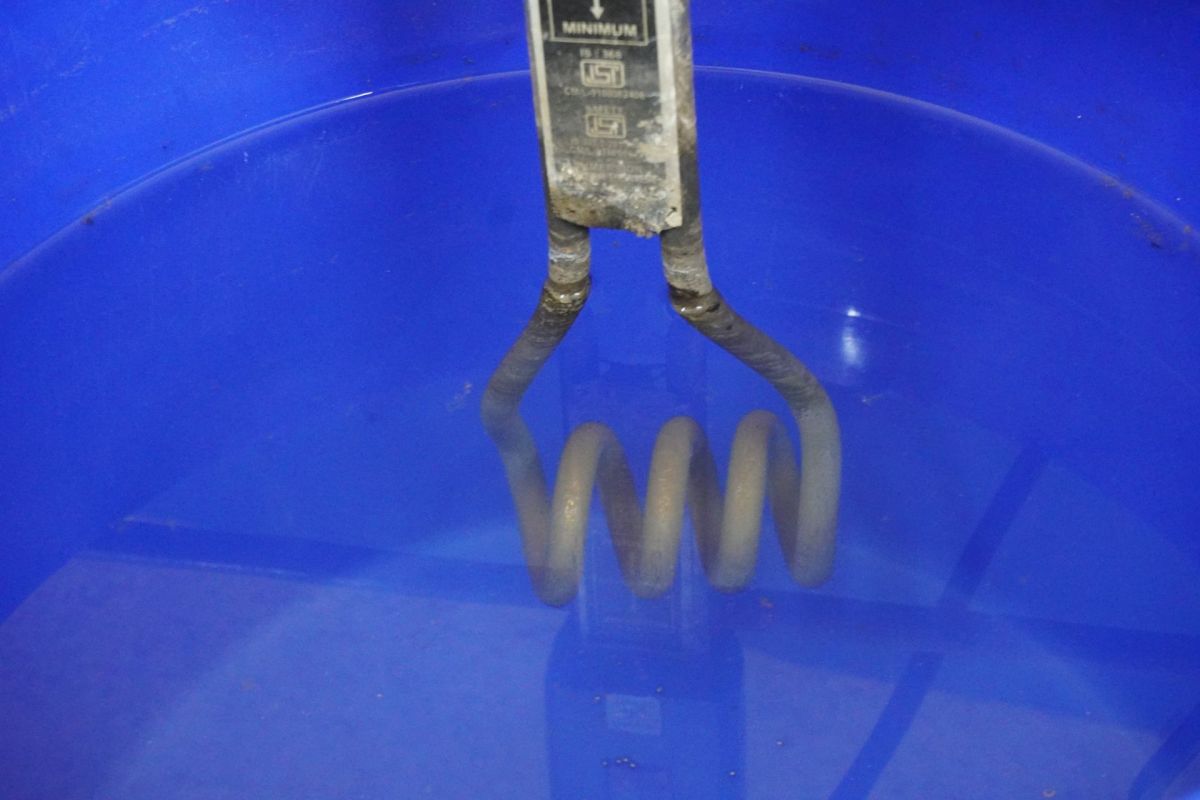
A Reddit thread highlighted this contrast when a U.K. renter asked what an immersion heater might add to monthly bills in a new apartment.
Here's what to know
The discussion started on r/HousingUK, where the poster asked, "How much a month do people spend on having an immersion heater on?" They added that they would use the hot water "mostly used for washing hands and cleaning" because the apartment already had an electric shower and dishwasher.
Across the Reddit thread, replies said there is no standard monthly number because the bill depends on the tank size, electricity price, and how often the system has to reheat the water.
One response warned, "Don't leave it on in all the time unless you want ridiculous bills."
Another commenter broke down the math, saying immersion heaters are "typically 3kW," so while the element is running, it uses "1kWh/unit of electric every 20 minutes, typically 27p at today's rates."
Using that same example, the commenter said a "typical 160 litre tank" would need about 2.5 hours to go from 68°F (20°C) to 140°F (60°C), using roughly 7.5kWh and costing about £2 (about $2.67 at current exchange rates).
Taken together, the replies suggested the bigger problem is not a single heating cycle but letting the system keep topping the water up throughout the day.
Save $10,000 on solar panels without even sharing your phone number Want to go solar but not sure who to trust? EnergySage has your back with free and transparent quotes from fully vetted providers in your area. To get started, just answer a few questions about your home — no phone number required. Within a day or two, EnergySage will email you the best options for your needs, and their expert advisers can help you compare quotes and pick a winner. Solar panels can save you more than $50k over their 25-year lifespan, and EnergySage can help you save as much as $10k on installation. Which begs the question — isn't that worth an email or two? |

More background
Not everyone in the discussion treated immersion heaters as automatic budget-breakers, though several said the specifics make a big difference. As one person put it, it "depends on your tariff. If you have a time of use/EV tariff, they can cost about the same as gas" when it runs overnight on a timer.
Another reply says the equipment itself matters too. That commenter said older vented cylinders can keep drawing electricity when left on, while unvented cylinders heat up, switch off at temperature, and come back on only after the water cools.
People in the thread also described different routines for handling similar systems. For example, one household said its summer electricity use with the immersion on "24/7 is like £55 (about $73) a month," while another commenter wrote: "We just use our boost button. 30 mins twice a day."
Some tanks may also include both a main element and a boost setting that heats only the top section, which could be enough for lighter needs such as handwashing and cleaning.
What can be done?
For homeowners looking beyond traditional immersion setups, Cala offers smart heat pump water heaters designed to cut wasted energy. Cala's customizable smart heat pump water heaters can help homeowners lower energy bills by heating water only when needed.
That closely aligns with the Reddit thread's central lesson: Constant reheating is where unnecessary costs can pile up. For people comparing long-term options, Cala offers an alternative to the always-on electric resistance model commenters warned about.
Where can I learn more?
These stories look at what happens when a water heater drives up power bills.
• In Boston, a renter discovered a hidden water-heater problem behind shockingly high electric bills.
• Households weighing upgrades often compare tankless water heater benefits before replacing an aging tank.
• Cala says its smart heat pump water heater can trim bills with incentives.

Get TCD's free newsletters for easy tips, smart advice, and a chance to earn $5,000 toward home upgrades. To see more stories like this one, change your Google preferences here.






