



Faced with an electric bill nearing $700 a month, one Massachusetts homeowner is weighing whether to cash out $48,000 in Nvidia stock to pay for a roof replacement and solar panels.
Before buying an EV, the homeowner said summer power costs were already running $500 to $600 a month, and their house also uses about $2,000 a year in oil heat.
Here's what to know
Posting on Reddit's r/PersonalFinance forum, the original poster pointed to Massachusetts utility costs as the reason their bills feel so steep.
OP wrote, "We're in MA, and our Eversource bills are absolutely bonkers," adding, "I want to get on solar, but we would need a new roof as well… We don't have liquid funds to pay outright, so I would probably need to sell some stocks. I have some NVDA from 2024, now worth $48,000 and am wondering about selling that."
They then asked the subreddit, "this may be a case of spending money to save money, but just wanted to get some other opinions… Are people still able to make money these days selling back to the grid?"
Solar appealed to OP due to a combination of practical reasons. Their roof is over 20 years old, the property gets strong sun exposure on both sides, and they hoped a project could wipe out about $3,000 a year in electricity costs while possibly setting up future savings on oil as well.
Yet, the replies pushed back on the idea that panels automatically erase their utility bill. The top comment read, "Don't just assume solar -> no power bill."
At the same time, another Massachusetts commenter who had already moved to heat pumps and an all-electric home said their setup hit break-even at about five years and may cover close to 100% of use, depending on how much the EV is driven.
Save $10,000 on solar panels without even sharing your phone number Want to go solar but not sure who to trust? EnergySage has your back with free and transparent quotes from fully vetted providers that can help you save as much as $10k on installation. To get started, just answer a few questions about your home — no phone number required. Within a day or two, EnergySage will email you the best local options for your needs, and their expert advisers can help you compare quotes and pick a winner. |

A few commenters said the key question wasn't whether solar helps, but how much of a Massachusetts bill it can offset. One former Massachusetts resident said their system "essentially eliminated" more than 90% of their electric bill, while noting that chasing the remaining share often stops making economic sense because of diminishing returns.
Examples from other homeowners showed how broad the price range can be. A South Shore commenter shared quotes of roughly $19,715 for a 6,887-kWh system and about $23,987 for an 8,262-kWh option once roofing and engineering expenses were factored in, then later mentioned a 15,383-kWh quote delivered at $20,568.
What can be done?
Rather than deciding based on the stock sale first, many people urged the homeowner to model the energy side carefully.
They suggested reviewing net metering and time-of-use policies and considering cheaper demand-cutting steps, such as insulation, windows, or HVAC upgrades, including Massachusetts' heat pump programs, before committing. As one commenter put it, "Insulation is the big one."
More From EnergySage
💡Go deep on the latest news and trends shaping the residential solar landscape
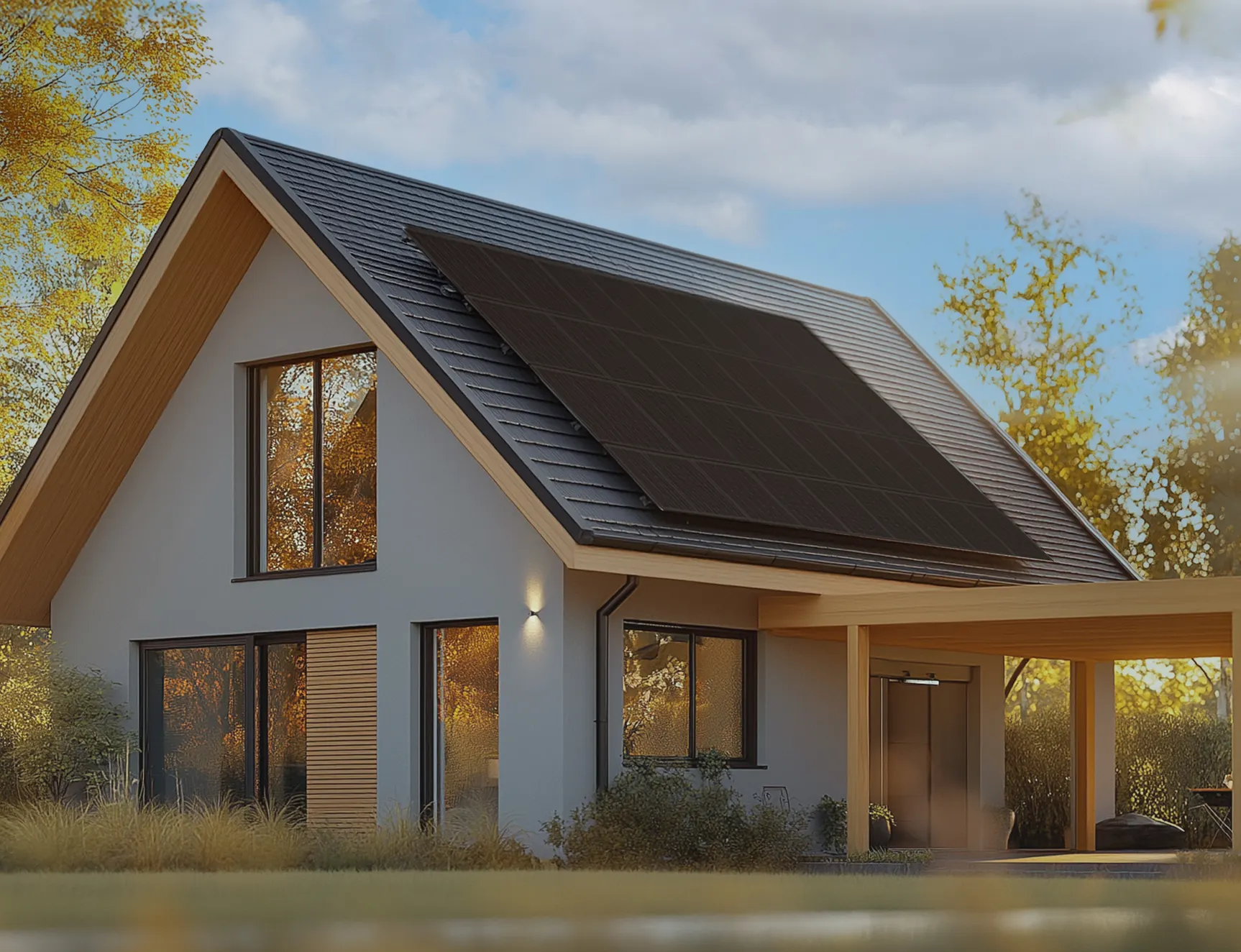
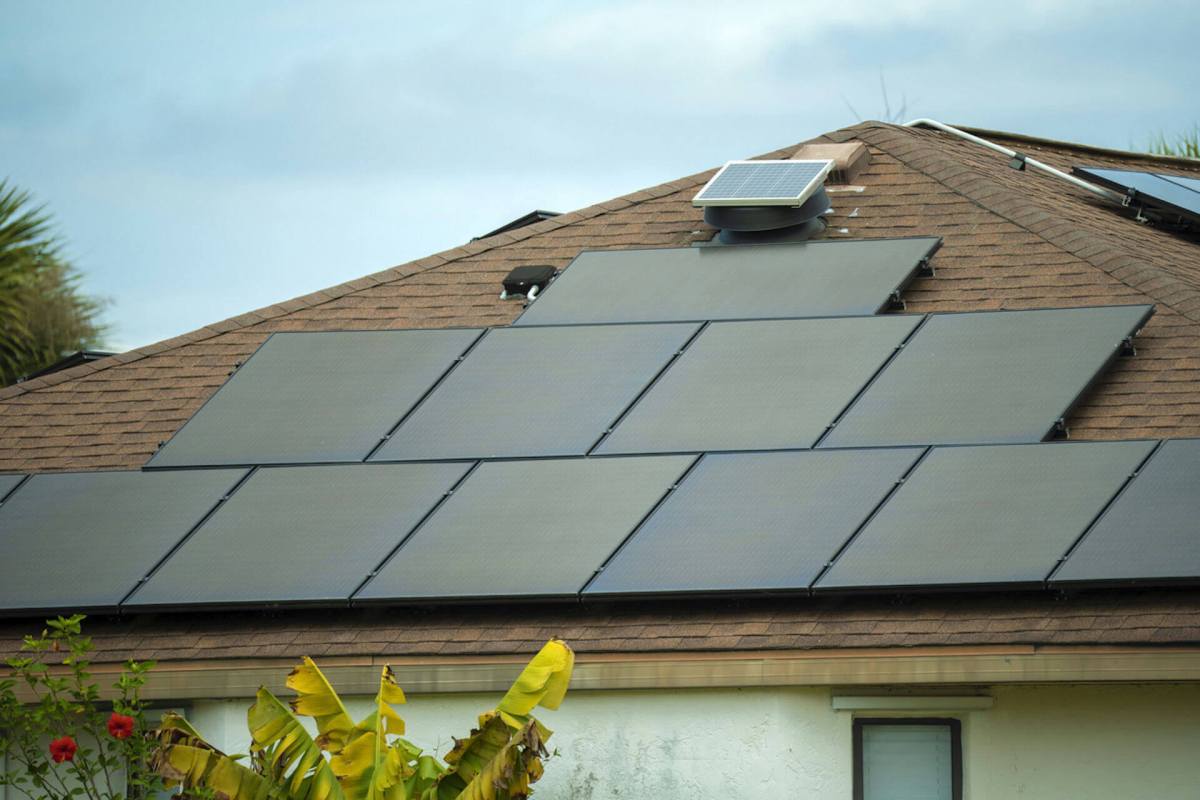
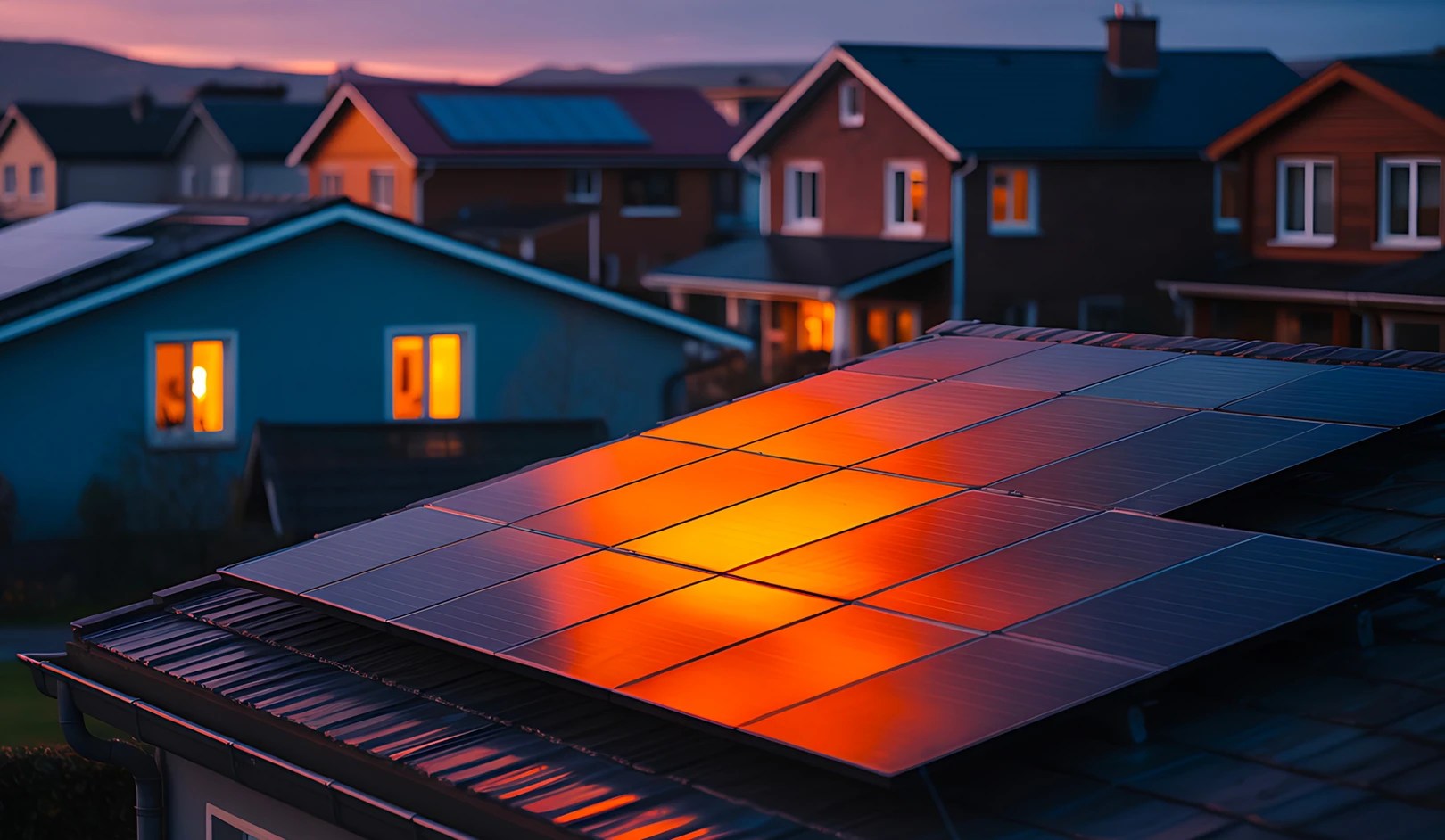

Still, going solar can be one of the best ways to save money on home energy, particularly when utility rates are this high. Homeowners can use EnergySage to get free solar installation estimates and compare quotes to see whether the math works. With EnergySage's help, the average person can save up to $10,000 on solar purchases and installations.
EnergySage's solar map shows the average cost of a home solar panel system by state, along with details on solar panel incentives for each state.
Where can I learn more?
For more on the tradeoffs behind rooftop solar, these stories cover soaring power bills, upfront costs, and the savings that can add up over time.
• As utility rates climb, rooftop solar can save you from decades of higher bills.
• One homeowner argued for investing in rooftop solar instead of the stock market for steadier returns.
• Across the United States, the average U.S. homeowner could save $50,000 with rooftop solar.

Get TCD's free newsletters for easy tips, smart advice, and a chance to earn $5,000 toward home upgrades. To see more stories like this one, change your Google preferences here.






