


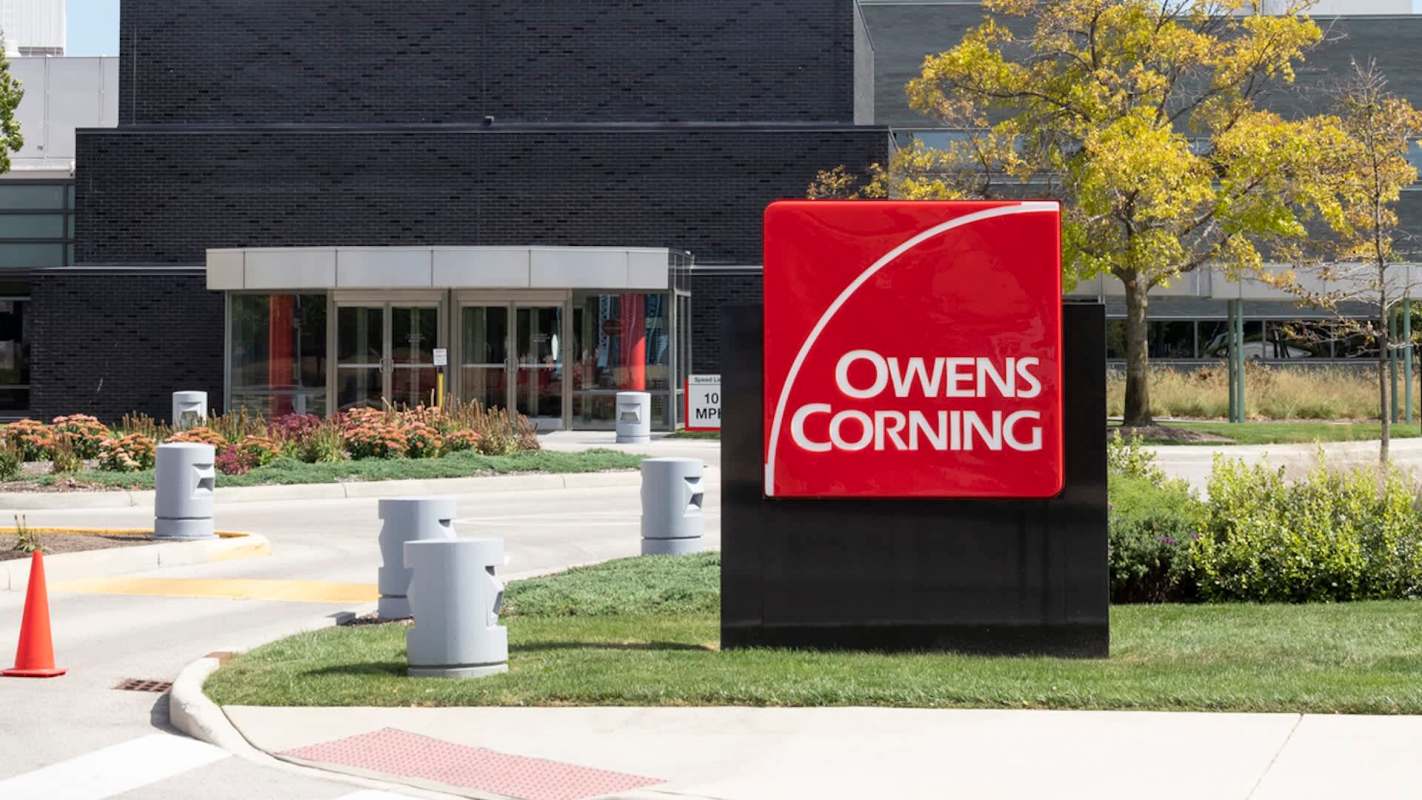
Neighbors living near an Owens Corning shingle factory in north Minneapolis are suing the company, alleging that years of odor and air pollution from the facility have made it harder to breathe, spend time outside, and welcome guests to their homes.
Here's what to know
According to the Sahan Journal, five north Minneapolis residents are named as the initial plaintiffs in the federal case. The suit is intended to cover people living within three-quarters of a mile of the asphalt roofing shingle plant in the Shingle Creek neighborhood.
In June, the EPA said the plant was violating the Clean Air Act because its sulfur dioxide emissions were too high. The agency said odor complaints from nearby residents led inspectors to the site.
The lawsuit says the odors and pollution have interfered with residents' normal use of their property. It accuses the company of private nuisance, public nuisance, and negligence in the way the facility was operated.
Court records show the company was served with the lawsuit on Oct. 7. The company declined to comment because the litigation is pending, and the named plaintiffs and their attorneys did not respond to requests for comment.
More background
The Sahan Journal reported that the site has made shingles since 1945, when Lloyd A. Fry Roofing Co. operated there. The current owner bought the facility in 1977.
TCD Picks » Quince Spotlight
💡These best-sellers from Quince deliver affordable, sustainable luxury for all




Thousands of private homes now sit within the proposed class area. Under city zoning rules, the plant is considered a non-conforming use, meaning it no longer matches the uses currently permitted in the area.
The property is like many older Twin Cities factory sites located in neighborhoods shaped by redlining, the discriminatory 20th-century housing and zoning practices that limited where people of color could buy homes. Residents argue the pollution burden has fallen on people whose housing choices were restricted from the start.
According to the complaint, odors reach into yards, make time outdoors uncomfortable, and reduce use of nearby streets and parks.
What's being done?
Because the case was filed as a class action, other residents within three-quarters of a mile of the plant could potentially join as plaintiffs, as the Sahan Journal reported.
Plaintiffs argue the company could have taken more steps. The complaint says the company did not invest in equipment and chemical additives that might have reduced odors and pollution from the factory.
As the suit states, "A properly operated, maintained, and managed facility will mitigate, prevent, and otherwise contain fugitive odor emissions by utilizing proper equipment, handling procedures, and storage at its facility."
To support its claims, the lawsuit cites the EPA's June violation findings and city citations and fines issued over odor complaints in August 2025 and April 2026. The suit seeks an unspecified amount in damages, and no hearings are scheduled.
In a statement, plaintiffs Jennifer Castello and Jessica Scott described the disruption this way: "Stepping outside hurts our lungs. It's also embarrassing to have friends and family visit and have to work around the smell."
Where can I learn more?
Residents in other communities have brought similar complaints about industrial pollution affecting their health and neighborhoods, as these articles show.
• In Rochester, neighbors say fumes coating their throats from a paint plant made them sick.
• In Camden, years of fires and smoke and soot pushed neighbors into a class action.
• Maryland officials say a toxic legacy followed pollution tied to a fabric manufacturer.

Get TCD's free newsletters for easy tips, smart advice, and a chance to earn $5,000 toward home upgrades. To see more stories like this one, change your Google preferences here.






