


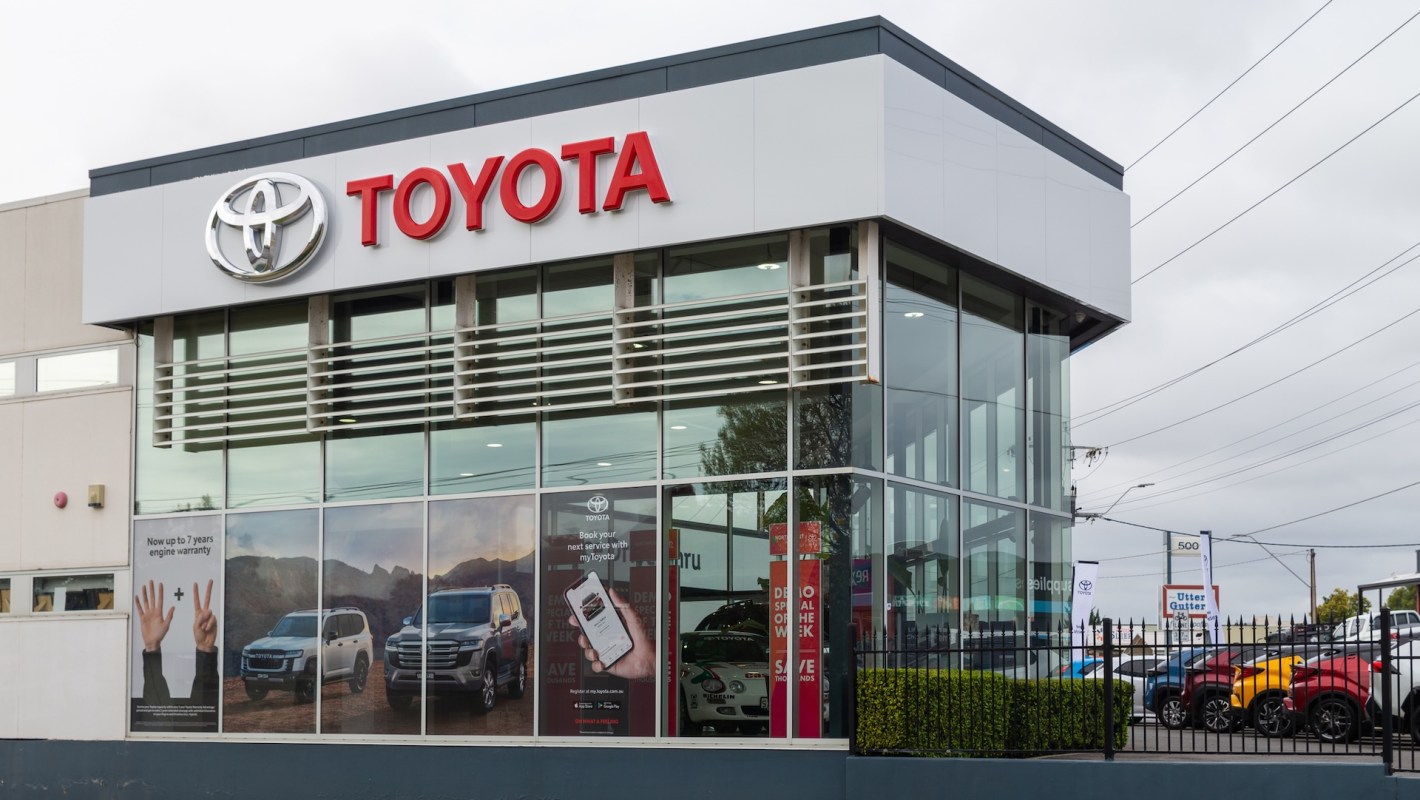
Toyota Australia is set to pay $750 million to settle two class actions over faulty diesel particulate filters in more than 264,000 vehicles, a proposed resolution after years of smoke, added fuel costs, and repeated repair issues for drivers.
Here's what to know
CarExpert reported that the proposed settlement covers 264,170 diesel Toyota HiLux, Prado, and Fortuner models purchased in Australia from Oct. 1, 2015, to Apr. 23, 2020. The agreement also covers some vehicles later resold by their original owners, expanding the group of potentially eligible people.
The agreement resolves two separate cases. One is the Williams class action, filed in 2019, which covers eligible buyers who obtained affected vehicles during the original period, including some second-hand owners.
The Taylor class action, launched in July 2025, covers eligible owners who bought affected vehicles privately from original owners between Apr. 24, 2020, and July 31, 2025, and still own them.
The deal cannot take effect unless the Federal Court of Australia approves it.
The proposed $750 million payout is almost double Toyota Australia's record after-tax profit of $380 million for the financial year ended March 31, 2026.
TCD Picks » Quince Spotlight
💡These best-sellers from Quince deliver affordable, sustainable luxury for all




More background
A diesel particulate filter, or DPF, captures soot from diesel exhaust and burns it off during a process called regeneration. Toyota Australia first fitted DPFs to diesel HiLux models when the eighth-generation ute arrived in October 2015.
In the affected vehicles, the system could fail in ways that directly affected owners. If the defect occurred, the filters could clog, causing excessive, foul-smelling white smoke, increased fuel use, and repeated unscheduled inspections, servicing, and repairs.
The Federal Court had already determined that the defective DPF systems meant the vehicles were not of acceptable quality. It also ruled that Toyota's marketing and sales practices were misleading or deceptive.
What's being done?
Toyota Australia says support measures have already been in place. In a statement, a Toyota Australia spokesperson said, "We remain committed to assisting any impacted customers and to providing a free-of-charge remedy that has been available since 2020."
The settlement still depends on Federal Court approval, and affected participants are being advised to contact their legal representatives for more information about eligibility and what the deal means for their case.
"The trust of our customers has been central to Toyota Australia for more than 70 years, and we do not take that for granted," a Toyota Australia spokesperson said. "We apologise for any inconvenience or discomfort experienced by our customers."
Where can I learn more?
Toyota's proposed settlement is one of several recent disputes involving vehicle emissions systems, pollution controls, and corporate accountability.
• Stellantis sought a workaround to avoid Michigan air-pollution rules near Detroit.
• In Oregon, a diesel repair shop owner admitted to disabling vehicle emissions devices for customers.
• BHP warned delayed emissions cuts could threaten its license to operate before buying 62 diesel trucks.
• In Hoosick Falls, a class-action deal targeted 3M over decades of alleged toxic pollution.
• In Australia, Santos faced a world-first greenwashing trial over disputed climate claims.

Get TCD's free newsletters for easy tips, smart advice, and a chance to earn $5,000 toward home upgrades. To see more stories like this one, change your Google preferences here.






